Nuclear Mistakes That Nearly Killed Us
TL;DR
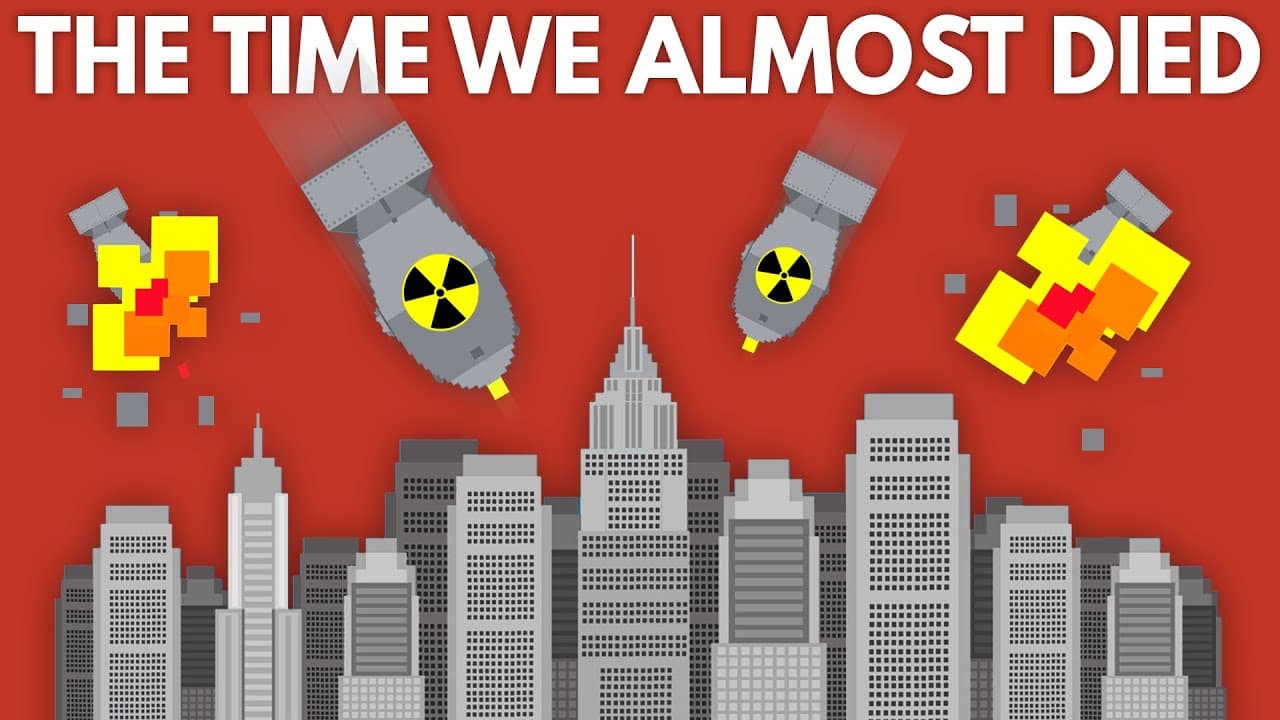
Nuclear weapons have had dangerous mishaps, from lost bombs to accidental detonations.
Transcript
This video was made possible thanks to our friends over at Hollywood Health and Society who sponsored this video. Hey there! Welcome to Life Noggin. Just a heads up I'm going to mispronounce nuclear in this video. I never seem to get it right, and the viewers that have been with me for a while already know this. Sorry in advance. Nuclear bombs are ... Read More
Key Insights
- 🔫 Nuclear weapons remain a significant global security concern, with over 10,000 weapons still in existence.
- 😚 Historical incidents like the 1950s lost nuclear bomb over the St. Lawrence River and the 1980 Titan II Missile explosion show the potential risks.
- 💣 Hydrogen bombs, being more powerful than atomic bombs, pose an even greater threat if mishandled or detonated accidentally.
- 💘 The severity of nuclear weapons incidents is classified with different names, like "broken arrows" for damaged or launched bombs.
- 😚 The 1961 incident in North Carolina, where a lost nuclear bomb remains buried, underscores the ongoing risks of lost or missing weapons.
- 💀 Unintended nuclear detonations, whether due to human error or mechanical failure, remain a looming danger in the presence of thousands of nuclear weapons worldwide.
- 😚 The close calls with nuclear weapons highlight the importance of stringent safety protocols and responsible handling to avert potential disasters.
Install to Summarize YouTube Videos and Get Transcripts
Explore YouTube Video Summarizer or Get YouTube Transcript Extractor
Questions & Answers
Q: What are some common names for incidents involving nuclear weapons mishaps?
Incidents like lost or missing bombs are called "empty quivers," while breaches in security or transportation are referred to as "bent spears," and damaged or launched bombs are known as "broken arrows."
Q: How powerful can hydrogen bombs be compared to atomic bombs?
Hydrogen bombs can be up to 1,000 times more powerful than atomic bombs due to their fusion-based energy production, with potentially devastating consequences if detonated.
Q: What happened in the 1980 incident near Damascus, Arkansas involving a Titan II Missile?
An accidental piercing by a dropped wrench socket caused the missile to leak toxic fuel and explode, ejecting its nuclear warhead, although fortunately, it did not detonate.
Q: How do these nuclear weapons mishaps emphasize the danger of unintended nuclear detonations?
The mishaps serve as sobering reminders of the potential catastrophic consequences of nuclear weapons, highlighting the critical importance of thorough safety measures and procedures to prevent disasters.
Summary & Key Takeaways
-
The world still has over ten thousand nuclear weapons, with numerous incidents involving them since the 1950s.
-
Instances include bombs being lost or dropped accidentally, like the hydrogen bomb over Albuquerque.
-
These incidents highlight the risk of unintended nuclear detonations and the need for utmost caution.
Read in Other Languages (beta)
Share This Summary 📚
Summarize YouTube Videos and Get Video Transcripts with 1-Click
Try YouTube Summary with ChatGPT & Claude or YouTube Transcript Generator
Explore More Summaries from Life Noggin 📚



Summarize YouTube Videos and Get Video Transcripts with 1-Click
Try YouTube Summary with ChatGPT & Claude or YouTube Transcript Generator