How Can You Tell if the Stock Market Has Bottomed?
TL;DR
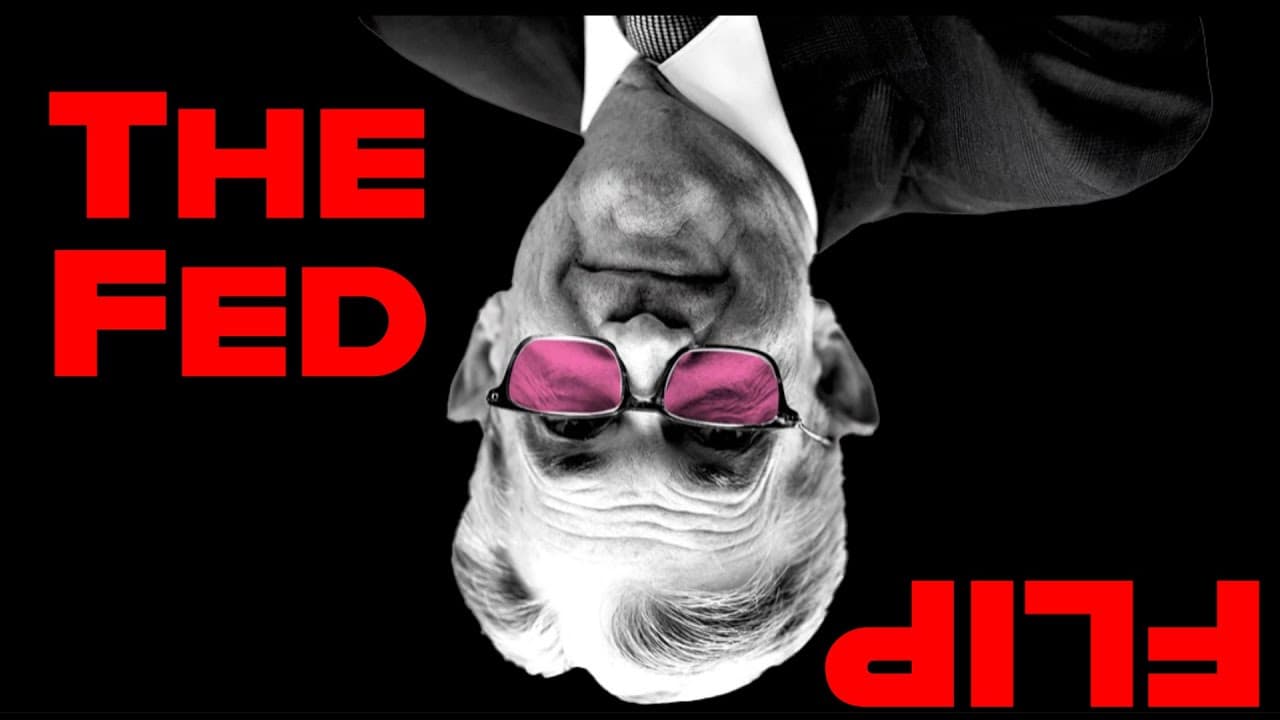
The stock market may have bottomed when the Federal Reserve signals a pivot by lowering interest rates. Historically, market tops and bottoms correlate with Fed policy changes, particularly when inflation trends down and unemployment increases. Investors should closely monitor inflation and jobs data as indicators of potential market recovery.
Transcript
don't fight the fed has been said many times in the comment section of my videos and in many ways they are correct following the federal reserve or fed's lead on interest rate policy and economic growth projections has actually accurately predicted market tops and bottoms since the great financial crisis nearly 14 years ago on today's video i'm gon... Read More
Key Insights
- ☠️ The Federal Reserve's interest rate policies have had a significant impact on real asset prices, including stocks, since the financial crisis.
- ✋ Pivots towards higher rates or the end of quantitative easing have historically signaled market tops and resulted in stock market declines.
- 😮 The combination of stimulus checks, supply constraints, and rising consumer prices has prompted the recent pivot towards higher rates, leading to stock market decline.
- ☠️ The Fed's decision to raise or lower rates is influenced by indicators such as the Consumer Price Index and the unemployment rate.
- 😚 Retirees and those close to retirement should approach the current market with caution due to the uncertainty caused by inflation and interest rate changes.
- 🧑🏭 Long-term investors should pay attention to inflation and unemployment data, as the Fed is likely to adjust policies based on these factors.
- ✋ The length of the higher rate cycle and the duration of stock market declines will depend on how long inflation remains high.
Install to Summarize YouTube Videos and Get Transcripts
Explore YouTube Video Summarizer or Get YouTube Transcript Extractor
Questions & Answers
Q: How has following the Federal Reserve's lead on interest rate policy predicted market tops and bottoms since the financial crisis?
The Fed's historically low interest rates have resulted in real asset prices, including stocks, soaring in value. When the Fed pivots towards higher rates, it often signals a market top, while a pivot towards lower rates indicates a market bottom.
Q: Why did the stock market decline when the Federal Reserve announced higher rates and the end of quantitative easing in 2018?
The stock market responded negatively to the announcement because higher rates make alternative investments like bonds more attractive, leading to a decrease in demand for stocks. Additionally, the end of quantitative easing reduces liquidity in the market.
Q: How did the combination of stimulus checks and supply constraints impact the stock market in 2021?
The abundance of free and cheap money from stimulus checks, coupled with supply constraints, caused consumer prices to rise rapidly. This led to uncertainty and inflation concerns, prompting the Federal Reserve to pivot towards higher rates, resulting in a decline in the stock market.
Q: What indicators does the Federal Reserve consider when deciding to pivot interest rates?
The Federal Reserve closely monitors the Consumer Price Index (CPI) to gauge inflation trends. If CPI starts trending down consistently, it suggests a better chance of the Fed pivoting towards lower rates. Additionally, the Fed pays attention to the unemployment rate, as higher unemployment combined with low inflation may lead to another pivot towards lower rates.
Summary & Key Takeaways
-
The Federal Reserve's historically low interest rates and quantitative easing have caused real asset prices, including stocks, to rise in value over the past 14 years.
-
The Fed's pivot to higher interest rates in 2018 caused a stock market decline, while the decision to cut rates in 2019 led to market growth.
-
The combination of stimulus checks, supply constraints, and rising consumer prices has prompted the Fed to pivot again towards higher rates, resulting in a decline in the stock market.
Read in Other Languages (beta)
Share This Summary 📚
Summarize YouTube Videos and Get Video Transcripts with 1-Click
Try YouTube Summary with ChatGPT & Claude or YouTube Transcript Generator
Explore More Summaries from The Investor Channel 📚



Summarize YouTube Videos and Get Video Transcripts with 1-Click
Try YouTube Summary with ChatGPT & Claude or YouTube Transcript Generator