The Economy of Ancient Rome
TL;DR
Ancient Rome's economy laid foundations for modern financial systems.
Transcript
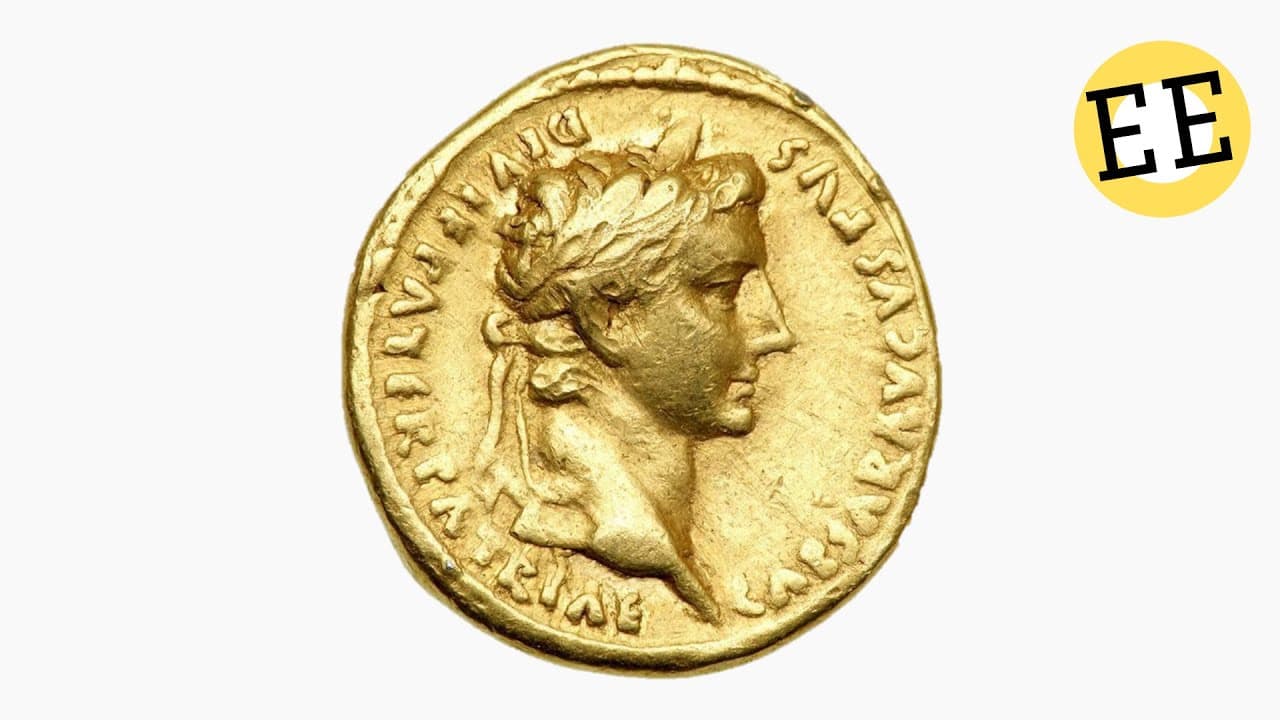
ancient rome was perhaps the most significant ancient civilization to have existed throughout history the Empire lived for over 1,000 years and in that time it gave us the foundations for our modern society democracy a court based legal system Latin languages in the alphabet three-course meals and perhaps it was one of the first modern economies to... Read More
Key Insights
- Ancient Rome was pivotal in shaping modern society with contributions like democracy, legal systems, and economic practices including banking and taxation.
- Rome's economy evolved from a simple agrarian system to a complex one with modern banking, lending, and taxation, influencing today's economic structures.
- The Roman wealth tax was a cornerstone of its early economic success, focusing on landowners and ensuring military protection in exchange for taxes.
- As Rome expanded, it privatized tax collection, leading to corruption but allowing the empire to fund its military and infrastructure efficiently.
- Despite its advancements, Rome remained an agrarian society, limiting its wealth compared to contemporaries like China and India with better farmland.
- Rome's economy was sophisticated with banking systems that paralleled modern financial practices, including early instances of financial crises.
- The economic downturn in 33 AD showcased Rome's advanced economic systems, with solutions like quantitative easing resembling modern practices.
- Understanding Rome's economy offers insights into modern economic structures and potential future developments, emphasizing the importance of historical economic studies.
Install to Summarize YouTube Videos and Get Transcripts
Explore YouTube Video Summarizer or Get YouTube Transcript Extractor
Questions & Answers
Q: How did Rome's wealth tax contribute to its economy?
Rome's wealth tax was central to its early economic success. By focusing on landowners, it ensured that those with assets contributed to the empire's funding. This tax system not only financed infrastructure and military protection but also established a societal hierarchy, where paying taxes could lead to higher social and military status.
Q: What challenges did Rome face with tax collection as it expanded?
As Rome expanded, its initial wealth tax system became impractical over vast territories. The empire addressed this by privatizing tax collection, allowing private contractors to bid for the right to collect taxes in different regions. This system, while efficient in funding Rome, was rife with corruption and often led to harsh tax enforcement.
Q: Why was Rome's economy less wealthy than China and India?
Despite its advanced economic systems, Rome remained an agrarian society, limiting its wealth compared to China and India, which had superior farmland and larger populations. These factors enabled China and India to have more prosperous economies, as their agricultural output was higher, supporting larger populations and generating more wealth.
Q: How did the Roman banking system resemble modern financial systems?
Rome's banking system was surprisingly modern, featuring elements like fractional reserve banking and lending practices that resemble today's financial institutions. Banks in Rome moved money across the empire, funded wars and construction, and even faced financial crises similar to modern economic downturns, highlighting their sophistication.
Q: What led to the economic downturn in Rome in 33 AD?
The downturn in 33 AD was triggered by several factors, including declining agriculture, external shocks like shipwrecks, and speculative lending by banks. The emperor's decree for senators to invest in land caused a rush for cash, leading to bank runs as banks couldn't meet withdrawal demands, resulting in a deflationary crisis.
Q: How did Rome address the financial crisis of 33 AD?
Rome addressed the 33 AD crisis with measures akin to modern quantitative easing. The emperor injected funds into banks with stipulations for lending, ensuring money circulation. This intervention stabilized the economy by preventing asset sell-offs and encouraging lending, demonstrating Rome's advanced economic problem-solving capabilities.
Q: What role did privatized tax collection play in Rome's economy?
Privatized tax collection allowed Rome to efficiently manage its vast empire without a large administrative burden. Contractors collected taxes and returned a portion to Rome, funding its military and infrastructure. However, this system was prone to corruption, as contractors often used harsh methods to meet tax demands.
Q: Why is studying Rome's economy important for understanding modern systems?
Studying Rome's economy provides valuable insights into the foundations of modern financial systems. Rome's innovations in banking, taxation, and economic management highlight the evolution of economic practices and offer lessons on handling economic challenges, making it a crucial case study for understanding contemporary and future economic developments.
Summary & Key Takeaways
-
Ancient Rome significantly influenced modern society by introducing foundational systems like democracy and modern economic practices. Its evolution from a basic agrarian economy to a complex system with banking and taxation laid the groundwork for contemporary financial systems.
-
Rome's wealth tax and privatized tax collection were pivotal in its economic success, funding military and infrastructure. Despite advancements, Rome was limited by its agrarian nature, making it less wealthy than China and India, which had superior farmland.
-
The Roman economy's sophistication is evident in its banking systems, which led to early financial crises. The 33 AD downturn demonstrated advanced economic solutions like quantitative easing, highlighting the importance of studying historical economies to understand modern and future economic developments.
Read in Other Languages (beta)
Share This Summary 📚
Summarize YouTube Videos and Get Video Transcripts with 1-Click
Try YouTube Summary with ChatGPT & Claude or YouTube Transcript Generator
Explore More Summaries from Economics Explained 📚





Summarize YouTube Videos and Get Video Transcripts with 1-Click
Try YouTube Summary with ChatGPT & Claude or YouTube Transcript Generator