What is the Internet's Physical Infrastructure Really Like?
TL;DR
The Internet is not just an abstract concept; it has a tangible physical infrastructure consisting of data centers and undersea cables. Understanding this reality helps illustrate how our digital interactions are rooted in physical locations, like cable landing stations and port cities, which connect continents and facilitate global communication.
Transcript
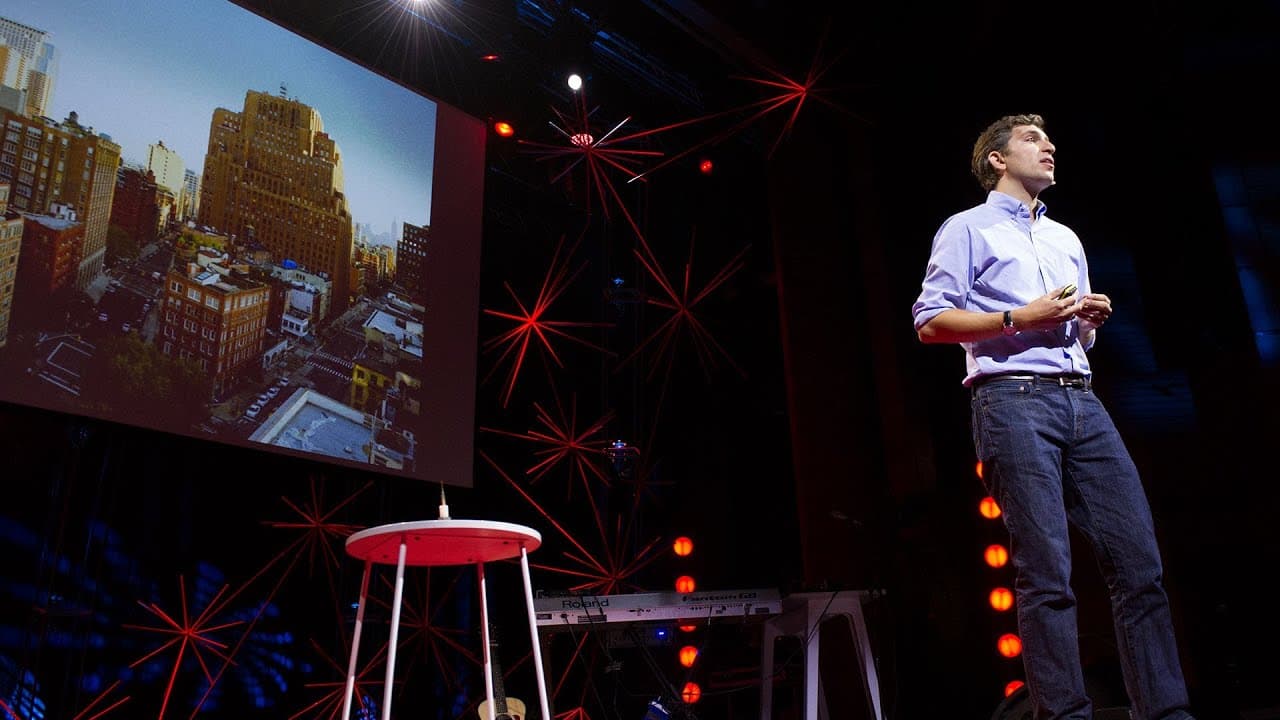
Translator: Joseph Geni Reviewer: Morton Bast I've always written primarily about architecture, about buildings, and writing about architecture is based on certain assumptions. An architect designs a building, and it becomes a place, or many architects design many buildings, and it becomes a city, and regardless of this complicated mix of forces of... Read More
Key Insights
- 🌍 Our relationship with the physical world has changed as we spend more time in front of screens, resulting in divided attention between the virtual and physical environments.
- 📱 The internet, despite its intangible nature, has a physical reality in the form of data centers and network buildings where connections are physically established.
- 💡 The internet can be likened to a global village that relies on undersea cables to transmit data between continents.
- 🌐 Undersea cables, although small in size, have a vast reach and are connected to landing stations in seaside neighborhoods, where amplifiers and routers help transmit data.
- 🔍 Our perception of the internet as an intangible cloud is challenged by the physical processes involved in its functioning, such as laying cables and fusing fibers.
- 🕸️ The undersea cable industry is dominated by Englishmen and has experienced significant growth, expanding connectivity to previously unwired places like Africa.
- 🔌 We should be more aware of the physical infrastructure that powers the internet and connects us all, rather than solely relying on the cloud and relinquishing responsibility.
- 🌏 The places where undersea cables connect, such as classic port cities, and the process of laying cables remain largely unchanged, highlighting the enduring physicality of the internet.
Install to Summarize YouTube Videos and Get Transcripts
Explore YouTube Video Summarizer or Get YouTube Transcript Extractor
Questions & Answers
Q: How has the author's relationship with the physical world changed over the past few years?
The author's relationship with the physical world has changed in that he spends more time sitting in front of screens, both on his computer and on his smartphone. This has caused his attention to constantly be divided between the digital world and the physical world around him. (71 words)
Q: What was the author's initial perception of the internet as a physical entity?
Initially, the author perceived the internet as an amorphous blob or a silly black box with a blinking red light on it. He believed that it did not have a physical reality and was not a real world. (47 words)
Q: What changed the author's perception of the physical reality of the internet?
The author's perception was changed when his internet broke and the cable guy came to fix it. The cable guy followed the cables from the author's apartment to the basement and outside to a jumble of cables against the wall. This made the author realize that there was a physical world of the internet out there. (66 words)
Q: What are the physical places of the internet that the author visited?
The author visited large data centers that consume as much power as cities, as well as important buildings like 60 Hudson Street in New York where many networks of the internet connect to each other. He also focused on the undersea cables that connect continents, notably the ones connecting Europe and America. (70 words)
Summary & Key Takeaways
-
The speaker reflects on how his relationship with the physical world has changed as a result of spending more time in front of a computer screen.
-
He discusses his realization that the internet, which he had always seen as a transcendent idea, is actually a physical world with places to visit and explore.
-
The speaker describes his experiences visiting data centers and undersea cable landing stations, and emphasizes the importance of understanding the physical infrastructure that connects us to the internet.
Read in Other Languages (beta)
Share This Summary 📚
Summarize YouTube Videos and Get Video Transcripts with 1-Click
Try YouTube Summary with ChatGPT & Claude or YouTube Transcript Generator
Explore More Summaries from TED 📚


Summarize YouTube Videos and Get Video Transcripts with 1-Click
Try YouTube Summary with ChatGPT & Claude or YouTube Transcript Generator