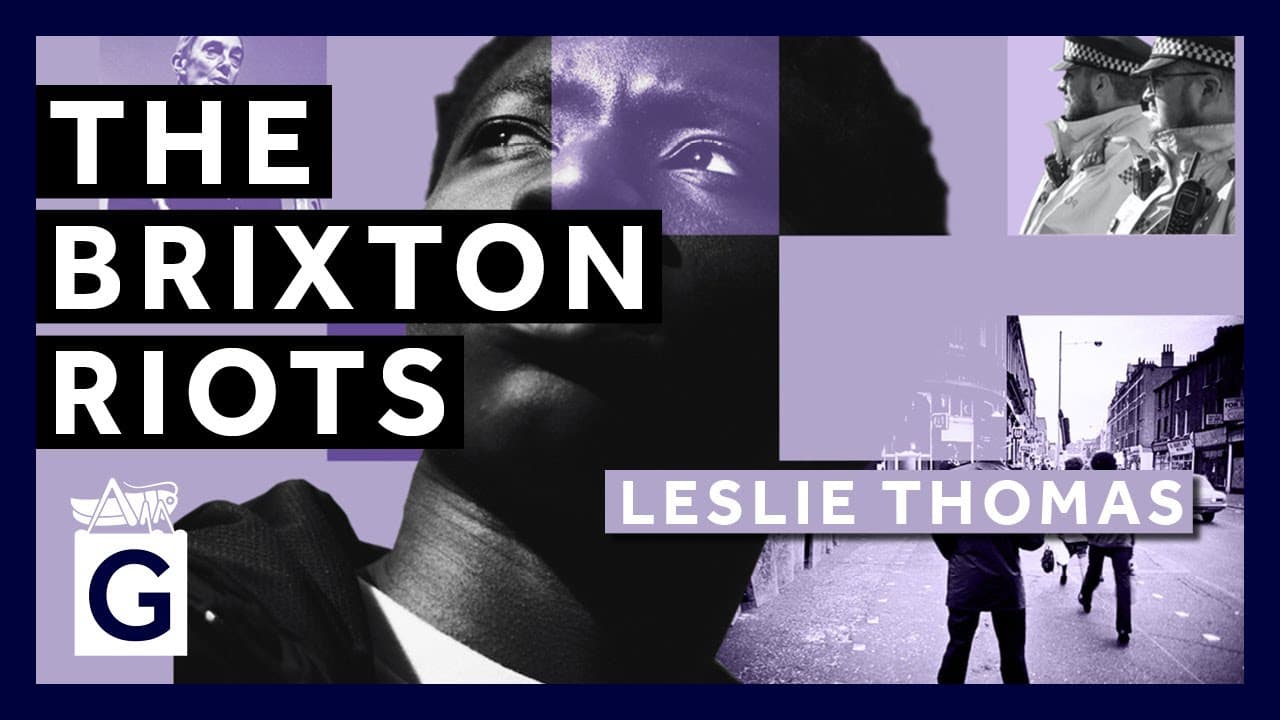
The Brixton Riots: Policing the Black Community in the last 40 Years
TL;DR
The lecture discusses the history of police racism in the UK, including the 1981 Brixton riots and the killing of George Floyd. It explores three possible approaches to addressing police racism: reforming the police system, defunding the police and investing in social services, and abolishing the police altogether.
Transcript
- Good evening everyone. The Brixton Riots, Policing the Black Community the Last 40 Years. Before I start this lecture, I want to say thanks, I want to say to Steven Watts, Steven is my legal researcher and also to David Neil both of whom helped me put this lecture together and I think I really need to acknowledge them. I want to start with a poem... Read More
Key Insights
- 👮 The lecture highlights the ongoing issue of police racism in the UK, examining historical contexts such as the 1981 Brixton riots and recent events like the killing of George Floyd.
- 👮 Three approaches to addressing police racism are discussed: reform, defunding, and abolition. Each approach has its proponents and critics, and the lecture examines the strengths and limitations of each.
- 🙈 Building trust and confidence between the police and black communities is crucial, and meaningful community engagement is seen as a necessary step towards achieving this.
Install to Summarize YouTube Videos and Get Transcripts
Explore YouTube Video Summarizer or Get YouTube Transcript Extractor
Questions & Answers
Q: What were the key events that led to the Brixton riots in 1981?
The Brixton riots in 1981 were a result of heightened racial tensions and clashes between mainly black youths and the Metropolitan Police. The events were influenced by the oppressive nature of the police towards the black community, including the use of discretionary powers and the enforcement of the sus law, which disproportionately targeted black people.
Q: How has the police system in the UK evolved since the 1981 Brixton riots?
The lecture discusses the introduction of the Police and Criminal Evidence Act 1984 (PACE) as a significant reform that defined and limited police powers for the first time. It also mentions the establishment of the Police Complaints Authority and later the Independent Police Complaints Commission for addressing police misconduct. However, it argues that racial disparities and distrust in the police persist.
Q: What is the defunding the police movement, and what are its goals?
The defunding the police movement advocates for reallocating funding from police budgets to social services that address the root causes of crime, such as affordable housing, healthcare, education, and community programs. The movement aims to reduce reliance on police and prioritize investments in communities to address inequality and systemic issues.
Q: What are the arguments for and against abolishing the police?
Proponents of police abolition argue that the police system, rooted in inequality and racism, cannot be reformed and should be dismantled. They advocate for alternative community-based approaches to safety and justice. Critics argue that abolition may lead to non-state actors taking over law enforcement functions and highlight the need for some form of protection from violence and crime.
Summary & Key Takeaways
-
The lecture explores the history of police racism in the UK, highlighting the 1981 Brixton riots and the killing of George Floyd as significant moments. It raises questions about the effectiveness of police reforms and the persistent racial disparities in policing.
-
Three possible approaches to addressing police racism are discussed: reforming the police system to increase accountability and diversity, defunding the police and reallocating resources to social services, and abolishing the police altogether. The strengths and limitations of each approach are examined.
-
The lecture emphasizes the importance of addressing the lack of confidence that black communities have in policing and the need for meaningful community engagement to build trust and legitimacy.
Read in Other Languages (beta)
Share This Summary 📚
Summarize YouTube Videos and Get Video Transcripts with 1-Click
Try YouTube Summary with ChatGPT & Claude or YouTube Transcript Generator
Explore More Summaries from Gresham College 📚


Summarize YouTube Videos and Get Video Transcripts with 1-Click
Try YouTube Summary with ChatGPT & Claude or YouTube Transcript Generator