What is Biofouling? Biofouling Process & Removal
TL;DR
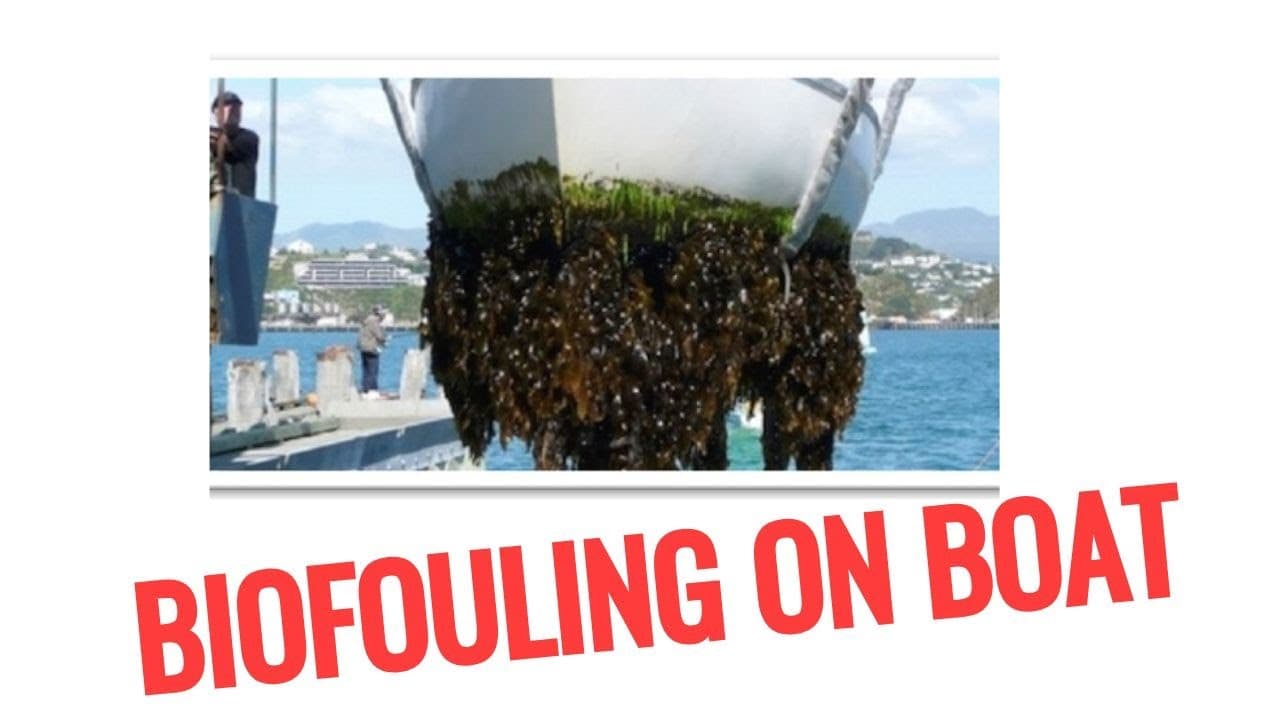
Biofouling, the attachment of organisms to submerged surfaces, poses economic and environmental challenges, causing increased fuel consumption, higher carbon dioxide emissions, potential introduction of invasive species, and corrosion of metals.
Transcript
biofouling is the attachment of organisms to submerged surfaces such as ship holes underwater instruments and marine or freshwater platforms in this video we will examine why biofouling is problematic the factors that influence biofouling and then we will finish with a few innovative engineering solutions to the problem the cost to the shipping ind... Read More
Key Insights
- 📦 Biofouling poses significant economic and environmental challenges to the shipping industry.
- ✋ Increased fuel consumption and carbon dioxide emissions result from biofouling-induced higher ship drag.
- 🚱 The introduction of non-native species through biofouling can have detrimental effects on ecosystems.
- 🥺 Biofouling can initiate corrosion of metals, leading to potential structural failure.
- 🏋️ Underwater marine instruments' performance is negatively affected by biofouling due to increased weight and sensor interference.
- 🦓 Thousands of organisms, including barnacles, zebra mussels, and microorganisms, engage in biofouling.
- ⚓ Biofouling depends on ship design, operating profile, maintenance practices, and type of anti-fouling agents used.
Install to Summarize YouTube Videos and Get Transcripts
Explore YouTube Video Summarizer or Get YouTube Transcript Extractor
Questions & Answers
Q: What are the consequences of biofouling on the shipping industry and the environment?
Biofouling increases ship drag, fuel consumption, carbon dioxide emissions, and the probability of structural failure. It also introduces invasive species and harms ecosystems.
Q: Which organisms engage in biofouling?
Biofouling can be caused by barnacles, zebra mussels, tube worms, mollusks, microorganisms, plants, and algae, among others.
Q: What factors influence biofouling?
The design and construction of a ship, its operating profile, maintenance practices, and the type of anti-fouling agent used all contribute to biofouling.
Q: What are some engineering solutions to mitigate biofouling?
Traditional toxic metallic compounds like tributylin and cuprous oxide have been banned. Non-toxic coatings, ultrasonic transducers, and plasma pulse technology are effective alternatives.
Key Insights:
- Biofouling poses significant economic and environmental challenges to the shipping industry.
- Increased fuel consumption and carbon dioxide emissions result from biofouling-induced higher ship drag.
- The introduction of non-native species through biofouling can have detrimental effects on ecosystems.
- Biofouling can initiate corrosion of metals, leading to potential structural failure.
- Underwater marine instruments' performance is negatively affected by biofouling due to increased weight and sensor interference.
- Thousands of organisms, including barnacles, zebra mussels, and microorganisms, engage in biofouling.
- Biofouling depends on ship design, operating profile, maintenance practices, and type of anti-fouling agents used.
- Engineering solutions for biofouling include non-toxic coatings, ultrasonic transducers, and plasma pulse technology.
Summary & Key Takeaways
-
The shipping industry incurs billions of dollars in costs due to biofouling, as it results in increased hydrodynamic friction and fuel requirements, leading to higher carbon dioxide emissions and harm to the environment.
-
Biofouling can introduce non-native species to new environments, negatively impacting ecosystems.
-
It can also initiate corrosion of metals and affect the performance of underwater instruments due to increased weight and interference with sensors.
Read in Other Languages (beta)
Share This Summary 📚
Summarize YouTube Videos and Get Video Transcripts with 1-Click
Try YouTube Summary with ChatGPT & Claude or YouTube Transcript Generator