Turns Out "The Lorax" Is Probably a Real Monkey
TL;DR
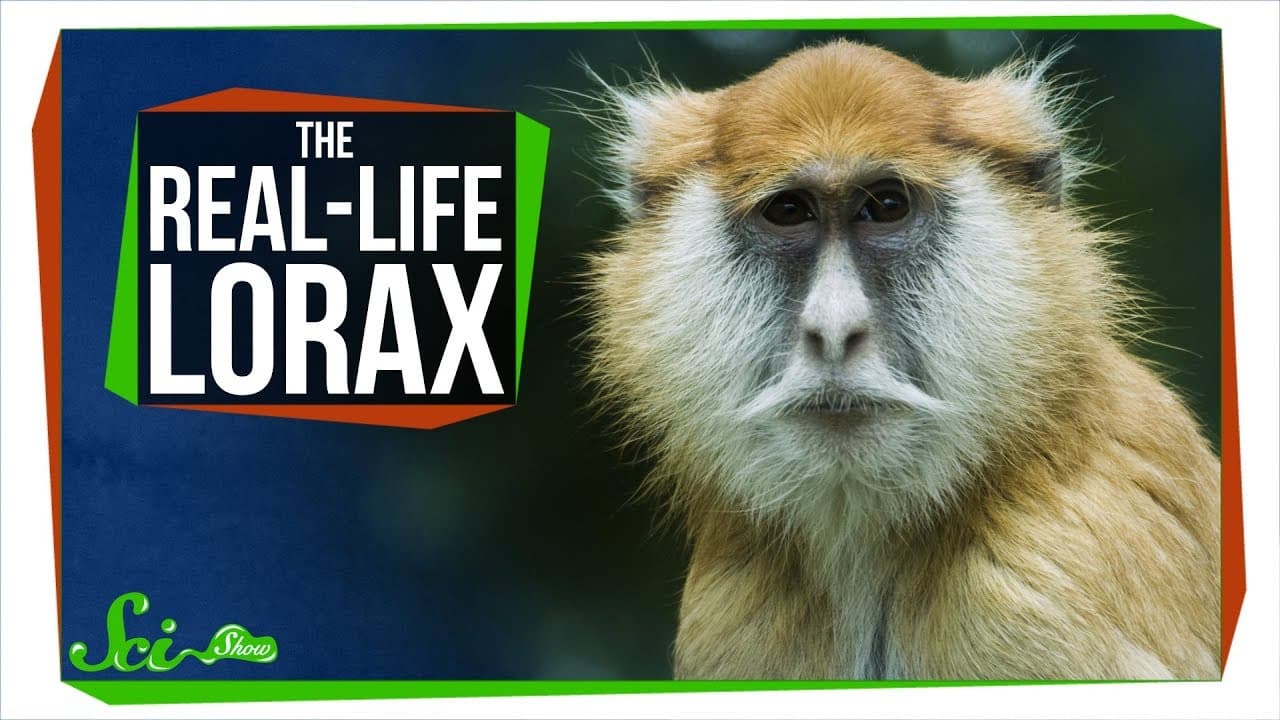
The trees and animals that inspired Dr. Seuss's book, The Lorax, are now facing the threat of extinction due to habitat loss and climate change.
Transcript
Thanks to Skillshare for supporting this episode of SciShow. [INTRO ♪] When Dr. Seuss’s The Lorax came out in 1971, it quickly took the world by storm. The plight of all the animals that lost their homes when the greedy Once-ler cut down all the Truffula trees—and the trees’ comically mustached champion, the Lorax— resonated deeply with many worldw... Read More
Key Insights
- 🌲 The Lorax and its truffula trees in Dr. Seuss's book were likely inspired by patas monkeys and whistling thorn acacia trees in Kenya.
- 💱 Whistling thorn acacia trees have declined dramatically since the book was written, primarily due to changes in land use and the effects of climate change.
- 🌲 Patas monkeys rely heavily on the trees for their diet, and their populations have been declining in response to the disappearing trees.
- 🌲 Balancing conservation efforts with the presence of large herbivores and the risk of wildfires poses a challenge for ensuring the survival of whistling thorn acacia trees.
- 🙈 The decline of these trees and the potential loss of patas monkeys highlight the importance of environmental conservation.
- 😨 Dr. Seuss's message in The Lorax, about the need for individuals to care about the environment, remains relevant today.
Install to Summarize YouTube Videos and Get Transcripts
Explore YouTube Video Summarizer or Get YouTube Transcript Extractor
Questions & Answers
Q: How did The Lorax by Dr. Seuss inspire environmental awareness?
The Lorax resonated with readers by highlighting the destruction of nature and the importance of conservation, inspiring an entire generation to care about the environment.
Q: Why are patas monkeys unique among primates?
Patas monkeys have long legs and can run up to 55 kilometers per hour, which is faster than most predators. They rely on whistling thorn acacia trees for over three-quarters of their diet.
Q: Why do patas monkeys rely on whistling thorn acacia trees?
The gum from the tree and the ants that live in its thorns provide important nutrients for the monkeys. The treat-filled thorns are too tough for other monkey species to break open.
Q: What factors are contributing to the decline of whistling thorn acacia trees?
Human activity, such as changes in land use and the presence of large herbivores like elephants, is affecting the survival of the trees. Climate change-induced droughts and wildfires also pose a threat.
Summary & Key Takeaways
-
The Lorax was inspired by patas monkeys and their relationship with whistling thorn acacia trees in Kenya.
-
Patas monkeys rely on the trees for food, specifically the gum from the tree and the ants that live in its thorns.
-
The decline of whistling thorn acacia trees is impacting the populations of patas monkeys, putting them at risk of extinction.
Read in Other Languages (beta)
Share This Summary 📚
Summarize YouTube Videos and Get Video Transcripts with 1-Click
Try YouTube Summary with ChatGPT & Claude or YouTube Transcript Generator
Explore More Summaries from SciShow 📚


Summarize YouTube Videos and Get Video Transcripts with 1-Click
Try YouTube Summary with ChatGPT & Claude or YouTube Transcript Generator