China 2019 - How Can We Design Responsible Artificial Intelligence?
TL;DR
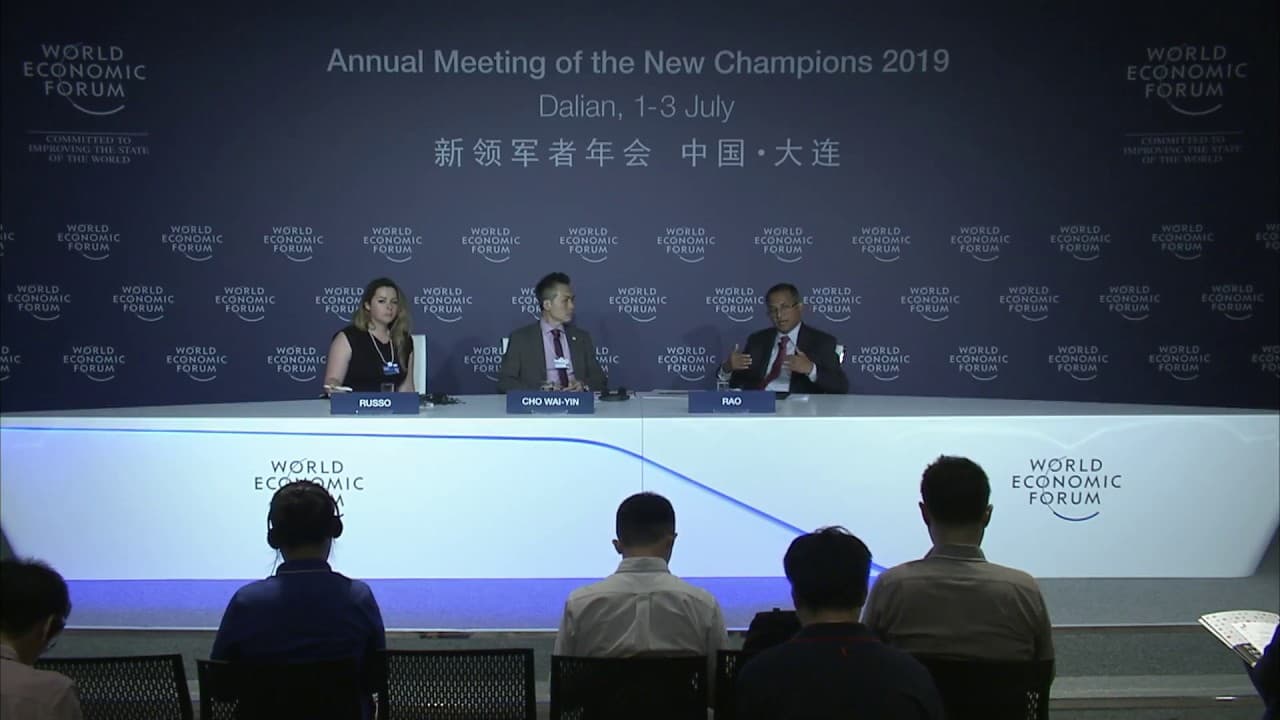
PwC introduces a practical guide to responsible artificial intelligence, emphasizing the importance of mitigating AI risks for trustworthy technology.
Transcript
since we have a very special press conference today with PwC talking about their new artificial intelligence report launch so promises to be a really great discussion we have a lot of very good questions to ask well I have a lot of good questions to ask I'm hoping then we'll open it up to to the audience so first let me let me just introduce who I ... Read More
Key Insights
- 🏛️ Responsible AI entails mitigating risks, ensuring fairness, interpretability, and privacy, and building trust in AI technology.
- 💠 Countries and industries have varying approaches to AI governance, with cultural, regulatory, and ethical considerations shaping responsible AI practices.
- 👨💼 Collaboration between businesses, governments, and regulators is vital for establishing ethical AI frameworks and ensuring trust in AI technology.
- 🚨 The integration of AI tools like natural language processing can assist in monitoring and analyzing emerging technologies for informed decision-making.
Install to Summarize YouTube Videos and Get Transcripts
Explore YouTube Video Summarizer or Get YouTube Transcript Extractor
Questions & Answers
Q: Why is responsible AI important, and what risks does it aim to mitigate?
Responsible AI is crucial to address ethical concerns, biases, fairness, interpretability, and privacy risks associated with artificial intelligence. The toolkit helps organizations navigate these challenges for trustworthy AI adoption.
Q: How do different countries and industries approach responsible AI differently?
Various nations and sectors have unique perspectives on responsible AI, as seen in the adoption of technologies like facial recognition and autonomous vehicles. Cultural, legal, and ethical factors influence the interpretation and implementation of responsible AI practices.
Q: Should businesses or governments take the lead in ensuring responsible AI development?
The balance between self-regulation by companies and government intervention in regulating AI practices is crucial for building trust in AI technology. Collaboration between businesses, governments, and regulators is essential to establish ethical AI frameworks.
Q: How can organizations stay abreast of rapid AI advancements and global trends?
Leveraging AI tools for analyzing and monitoring emerging technologies like natural language processing can help businesses and governments track advancements in the AI landscape. Collaboration and specialization in specific AI sectors can enhance understanding and adoption.
Summary & Key Takeaways
-
PwC launches a responsible AI toolkit to address the risks associated with AI and ensure ethical AI development.
-
The toolkit provides a framework and practical guidance for companies to navigate the complexities of implementing AI responsibly.
-
The discussion highlights the challenges, implications, and need for governance in the responsible adoption of AI by businesses and governments.
Read in Other Languages (beta)
Share This Summary 📚
Summarize YouTube Videos and Get Video Transcripts with 1-Click
Try YouTube Summary with ChatGPT & Claude or YouTube Transcript Generator
Explore More Summaries from World Economic Forum 📚
Summarize YouTube Videos and Get Video Transcripts with 1-Click
Try YouTube Summary with ChatGPT & Claude or YouTube Transcript Generator