One year crew launches to ISS on This Week @NASA
TL;DR
NASA astronaut Scott Kelly and crewmates begin a year-long mission on the International Space Station to gather data for future space expeditions to Mars. NASA also announces more details about the Asteroid Redirect Mission and increases the detection of near-Earth asteroids. The Curiosity rover detects nitrogen on Mars, adding to the evidence of Mars' habitability. NASA Administrator attends White House Science Fair and Kepler mission team receives prestigious award.
Transcript
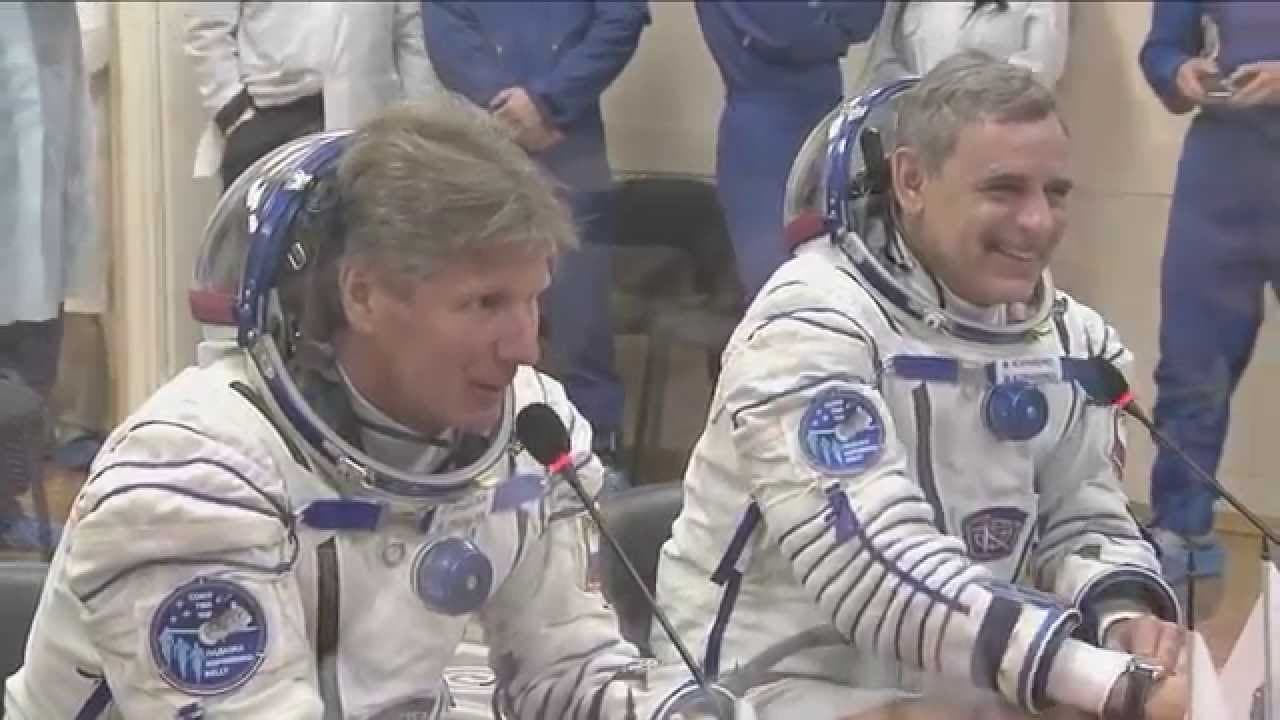
“Here’s some of the stories trending This Week at NASA!” The much-anticipated March 27 launch to the International Space Station of NASA astronaut Scott Kelly and Expedition 43 crewmates Gennady Padalka and Mikhail Kornienko of the Russian Federal Space Agency, began a one-year odyssey that plays a key role in NASA’s journey to Mars. Kelly and Korn... Read More
Key Insights
- 👨🚀 NASA astronaut Scott Kelly's year-long mission on the International Space Station provides crucial data for future space exploration, including the journey to Mars.
- 👾 The Asteroid Redirect Mission aims to test new capabilities needed for deep space travel and facilitate human expeditions to asteroids and Mars.
- 🇲🇭 The detection of nitrogen on Mars suggests the potential habitability of ancient Mars and adds to the evidence for the existence of life on the planet.
- 🧑🎓 NASA actively promotes STEM education and encourages students to excel in science and technology through events like the White House Science Fair.
Install to Summarize YouTube Videos and Get Transcripts
Explore YouTube Video Summarizer or Get YouTube Transcript Extractor
Questions & Answers
Q: What is the purpose of NASA astronaut Scott Kelly's one-year mission on the International Space Station?
Scott Kelly's mission aims to gather valuable data on the physical and mental challenges astronauts may face on future longer-duration space missions, particularly for NASA's journey to Mars.
Q: What is the Asteroid Redirect Mission and what does it involve?
The Asteroid Redirect Mission (ARM) is a project set for the mid-2020s that will test new capabilities required for deep space exploration, including missions to Mars. It involves capturing a boulder from a near-Earth asteroid's surface and placing it in orbit around the moon for astronauts to explore.
Q: What significance does the detection of nitrogen on Mars hold?
The discovery of nitrogen, specifically nitric oxide, on Mars adds to the evidence that ancient Mars was habitable for life. Nitrogen is a vital component for living organisms, and its presence suggests the potential for past life on the red planet.
Q: What is the purpose of the White House Science Fair, and why is it important?
The White House Science Fair is an annual event that showcases student projects in science, technology, engineering, and math (STEM) subjects. It aims to inspire and encourage students to excel in these fields and supports President Obama's "Educate to Innovate" campaign.
Q: What achievement did the Kepler mission team receive recognition for?
The Kepler mission team received the Smithsonian National Air and Space Museum's 2015 Trophy for Current Achievement. This award honors their groundbreaking discovery of Earth-sized planets orbiting other suns in their habitable zone, revealing a multitude of planets within our galaxy.
Summary & Key Takeaways
-
NASA astronaut Scott Kelly and crewmates embark on a year-long mission on the International Space Station to conduct research on the human body and gather data for future space missions.
-
NASA provides more information about the Asteroid Redirect Mission, which aims to test new capabilities necessary for future human expeditions to deep space, including Mars.
-
NASA's Curiosity rover detects the presence of nitrogen, specifically nitric oxide, on the surface of Mars, suggesting the potential habitability of ancient Mars.
-
NASA Administrator attends the White House Science Fair, showcasing student projects and promoting STEM subjects.
-
The Kepler mission team receives the Smithsonian National Air and Space Museum's 2015 Trophy for Current Achievement for its groundbreaking discoveries of Earth-sized planets.
Read in Other Languages (beta)
Share This Summary 📚
Summarize YouTube Videos and Get Video Transcripts with 1-Click
Try YouTube Summary with ChatGPT & Claude or YouTube Transcript Generator
Explore More Summaries from NASA 📚

Summarize YouTube Videos and Get Video Transcripts with 1-Click
Try YouTube Summary with ChatGPT & Claude or YouTube Transcript Generator