Is Europe Really Dying? Palki Sharma Explains
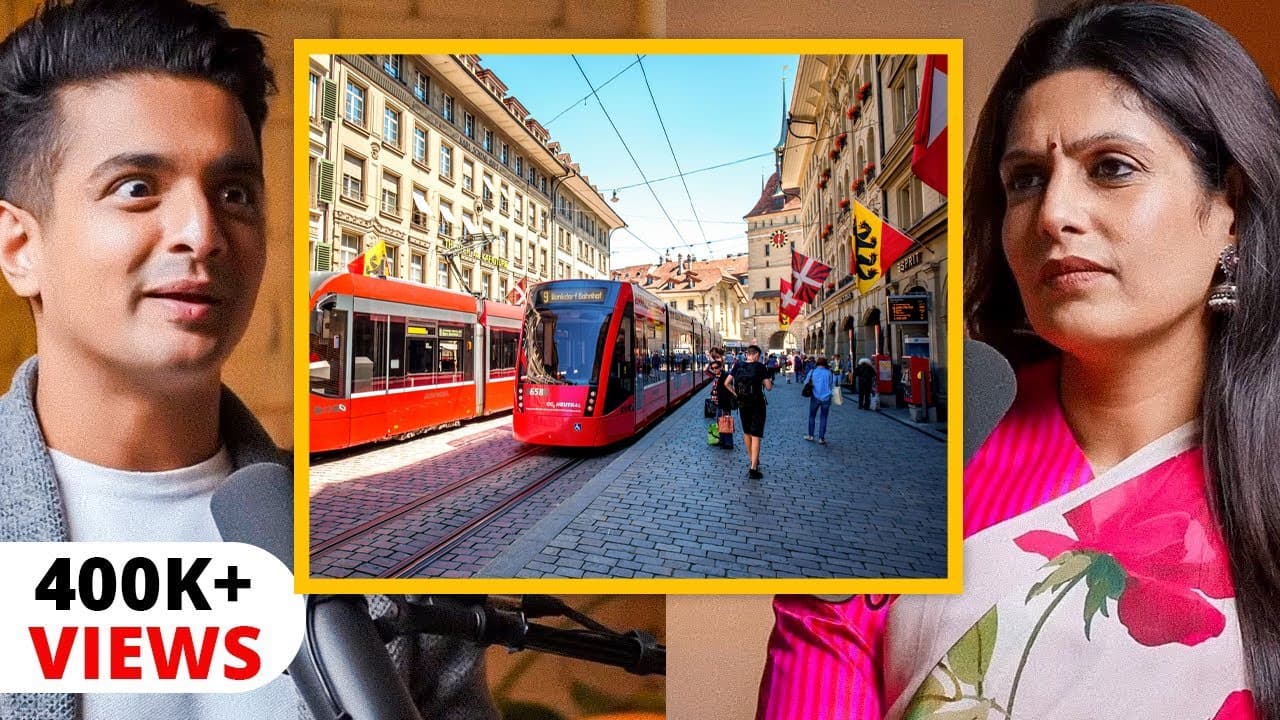
TL;DR
The discussion highlights complex issues surrounding immigration, cultural integration, and Europe's historical responsibility.
Transcript
happiness through Curiosity on the ren show if we widen the lens a little bit the narratives that you hear in urban India about Europe are pretty dystopian you hear about this whole immigration problem how the locals are not happy with um the immigrants or the refugees uh in the last 5 to 10 years uh how true is that what's your Viewpoint uh what's... Read More
Key Insights
- 🤝 Europe is dealing with an immigration landscape fraught with tensions between economic necessity and social acceptance.
- 💁 Colonial histories inform modern attitudes towards immigrants, creating a complex interplay of guilt, responsibility, and resentment.
- 🧍 Cultural integration remains a significant hurdle, as long-standing communities struggle to incorporate diverse populations.
- 🙈 The economic impact of immigration is seen as a double-edged sword, where immigrants can bolster economies but also strain public resources.
- 😨 Xenophobia often surfaces from fear of change in cultural demographics, and the response varies depending on the ethnic background of the immigrants.
- 🥺 Policies to manage immigration are increasingly complicated by economic downturns and societal pressures, leading to reactionary measures rather than constructive solutions.
- 🌍 The experiences of immigrants in Europe can often be overshadowed by prevailing stereotypes and media narratives, affecting public perception.
Install to Summarize YouTube Videos and Get Transcripts
Explore YouTube Video Summarizer or Get YouTube Transcript Extractor
Questions & Answers
Q: What are the main challenges Europe faces with immigration today?
Europe grapples with maintaining social cohesion amid rising immigration levels. Economic burdens on taxpayers, a legacy of colonialism, and cultural integration issues contribute to complex challenges, leading to the emergence of xenophobia and social tensions, particularly in regions that are less accustomed to diversity.
Q: How has Europe’s colonial past impacted current immigration dynamics?
The colonial legacy has influenced current immigration challenges, as many immigrants from former colonies seek refuge in Europe. This historical context complicates integration, with many descendants of immigrants feeling alienated or struggling to fit into societies that often still bear the weight of previous injustices and social structures.
Q: Why is there a disparity in how different immigrant groups are received in Europe?
Disparities arise from historical ties, perceptions of threat, and cultural similarities. For instance, Ukrainian refugees may be viewed more favorably due to shared Western cultural traits, whereas people from Arab or African nations often face skepticism and suspicion, rooted in historical biases and current socio-political narratives.
Q: What role does economic stability play in immigration policy?
Economic stability is crucial, as declining growth and an aging population lead countries to seek new workers. The desire to attract beneficial contributors can clash with the harsh realities of the immigrant experience, where economic struggles might deter potential economic migrants, creating tension between need and actual humanitarian response.
Q: How does cultural integration challenge immigrant communities in Europe?
Immigrant communities often face integration challenges, particularly when their cultural backgrounds differ significantly from the dominant population. Language barriers, lack of representation, and socio-economic disparities can result in feelings of alienation, hindering their ability to assimilate and thrive within broader society.
Q: What are the implications of the rising anti-immigrant sentiment in Europe?
Rising anti-immigrant sentiment can lead to social fragmentation, increased discrimination, and policies that may further alienate marginalized groups. These feelings can also escalate into political movements advocating for stricter immigration laws, threatening the multicultural fabric of European societies that, historically, have benefited from diversity.
Q: In what ways does European culture influence the immigrant experience?
European culture greatly influences the immigrant experience, often setting high expectations for assimilation and adaptation. However, this can result in immigrants feeling unwelcome or marginalized if they don’t share the dominant cultural norms, leading to tensions and resistance on both sides.
Summary & Key Takeaways
-
The narrative around immigration in Europe reflects deep-rooted complexities, encompassing economic, cultural, and historical aspects that shape public perception and policy.
-
While some immigrants contribute positively to society, challenges regarding integration persist, leading to feelings of alienation and societal tension among various ethnic groups.
-
Europe's historical exploitation of other nations raises questions about its current responsibilities towards immigrants, especially those fleeing conflicts influenced by Western actions.
Read in Other Languages (beta)
Share This Summary 📚
Summarize YouTube Videos and Get Video Transcripts with 1-Click
Try YouTube Summary with ChatGPT & Claude or YouTube Transcript Generator
Explore More Summaries from TRS Clips 📚





Summarize YouTube Videos and Get Video Transcripts with 1-Click
Try YouTube Summary with ChatGPT & Claude or YouTube Transcript Generator