Will Gentrification Ever End? | Big Think

TL;DR
Gentrification began in the 1950s, peaked in the 1980s, transforming working-class neighborhoods into trendy residential areas with mixed outcomes.
Transcript
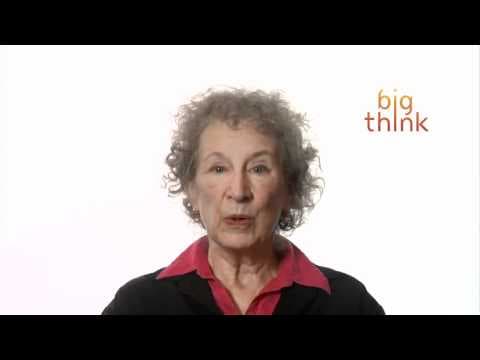
well gentrification reached a turning point in the 1980s uh I think I think it began in Jane Jacob's time in the 1950s and early 1960s uh in cities like New York and London and and other big cities of the world and then slowly attracted more and more people until gentrification reached a turning point in the 1980s and then it was all over the media... Read More
Key Insights
- 🔰 Gentrification began in the 1950s, accelerated in the 1980s, transforming neighborhoods into trendy residential areas.
- 💗 Urban landscapes witnessed significant changes catering to the needs of a growing middle-class population.
- 🥺 Gentrification led to a cycle of urban renewal, economic revitalization, and social transformation.
- 🤨 The aftermath of gentrification raised concerns about affordability, social equity, and preservation of urban authenticity.
- 😀 Cities face challenges in balancing growth, sustainability, and inclusivity amidst ongoing gentrification processes.
- ❓ The impact of gentrification varies, causing displacement, cultural shifts, and socio-economic disparities.
- 👨💼 Urban development must prioritize small businesses, local initiatives, and community-driven growth to foster sustainable cities.
Install to Summarize YouTube Videos and Get Transcripts
Explore YouTube Video Summarizer or Get YouTube Transcript Extractor
Questions & Answers
Q: How did gentrification evolve from the 1950s to the present day?
Gentrification originated in the 1950s, grew significantly in the 1980s, and continues to reshape neighborhoods, impacting urban landscapes and social demographics.
Q: What were the driving factors behind the rapid gentrification in major cities?
The appeal of urban living, influx of amenities, and marketing of neighborhoods as safe and trendy attracted middle-class families, altering the socio-economic dynamics of cities.
Q: What challenges emerged with the rapid gentrification process?
Gentrification led to displacement of working-class residents, loss of affordable housing, cultural shifts, and concerns about authenticity and sustainable urban development.
Q: How can cities balance the benefits and drawbacks of gentrification in urban planning?
Municipalities must promote small businesses, support local initiatives, and ensure inclusivity while managing the impact of gentrification on affordability and community cohesion.
Summary & Key Takeaways
-
Gentrification started in the 1950s and reached its peak in the 1980s, altering low-income, working-class neighborhoods into desirable areas for the middle class.
-
The trend led to the transformation of urban landscapes with an influx of amenities catered towards young middle-class families seeking city living.
-
The aftermath of gentrification is a complex cycle of urban renewal, economic shifts, and social dynamics, with uncertain future implications.
Read in Other Languages (beta)
Share This Summary 📚
Summarize YouTube Videos and Get Video Transcripts with 1-Click
Try YouTube Summary with ChatGPT & Claude or YouTube Transcript Generator
Explore More Summaries from Big Think 📚



Summarize YouTube Videos and Get Video Transcripts with 1-Click
Try YouTube Summary with ChatGPT & Claude or YouTube Transcript Generator