What myths stop you from starting a business?

TL;DR
Common misconceptions hinder aspiring entrepreneurs from starting businesses, particularly the myth that a great idea is necessary. Early failures in business are not wasted time; they are crucial learning experiences that develop vital entrepreneurial skills. Many viable service-based business opportunities require little to no initial investment, making it easier for individuals to get started.
Transcript
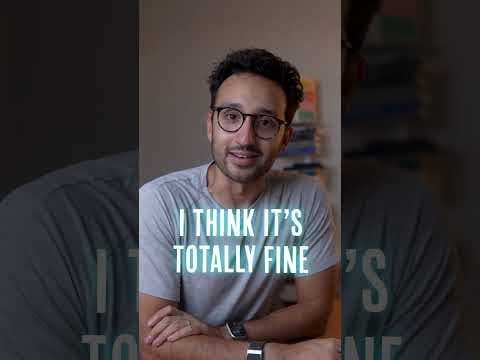
all right so I put out this poll on my YouTube Community tab yesterday saying if starting a business is something you'd like to do what is stopping you and we had 193 comments the highest voted comment was from Gonzalo who said honestly not having good ideas and fear of wasting time and money on a bad idea I think what this comment speaks to is tha... Read More
Key Insights
- 👋 Most aspiring entrepreneurs overestimate the need for a good idea, inhibiting their ability to start.
- 👨💼 Early business failures are not wasted efforts; they are essential for developing entrepreneurial skills.
- 👨💼 Service-business models are often overlooked but can be started without financial capital.
- 👻 It's possible to launch a business without needing to quit one’s job, allowing for safer experimentation.
- 👨💼 Reducing expectations for early business ideas can foster a more conducive learning environment.
- 👨💼 The traditional mindset of seeking certainty discourages people from embracing the risks involved in starting a business.
- 🏛️ Many entrepreneurs' success stories are built on multiple failed attempts, highlighting the value of resilience.
Install to Summarize YouTube Videos and Get Transcripts
Explore YouTube Video Summarizer or Get YouTube Transcript Extractor
Questions & Answers
Q: What main myth about starting a business does the speaker debunk in the video?
The main myth debunked is that you need a good idea to start a business. The speaker argues that aspiring entrepreneurs only need any idea to get started, as many initial attempts are likely to fail but provide essential learning experiences that will benefit future endeavors.
Q: Why does the speaker suggest that initial business failures are advantageous?
The speaker believes that early failures help individuals develop critical skills necessary for running a successful business. These experiences teach valuable lessons that cannot be acquired through traditional education or observation, emphasizing that learning comes from real-world application.
Q: Can someone start a business without any capital, according to the content?
Yes, the speaker asserts that it is possible to start a business without any capital, recommending service-based business models as a viable option. Many service businesses, such as tutoring or freelancing, require only time and skills rather than financial investment to begin.
Q: What does the speaker recommend to those feeling hesitant due to financial insecurity?
The speaker suggests starting a business as a side hustle while maintaining a steady job. This approach alleviates the pressure to immediately make a significant income and allows individuals to learn and gain experience without the risk of financial instability.
Q: How should aspiring entrepreneurs approach their first business idea?
Aspiring entrepreneurs are encouraged to develop multiple business ideas without the pressure for them to be perfect or innovative. The speaker suggests the idea of creating numerous ideas as a way to reduce the barrier for quality and increase the likelihood of experimentation and growth.
Q: What is emphasized about the relationship between certainty and entrepreneurship?
The speaker emphasizes that entrepreneurship often involves uncertainty and discomfort. Many individuals are conditioned to seek certainty, which hinders them from taking risks necessary for starting a business. Being comfortable with this uncertainty is crucial for growth and learning in entrepreneurship.
Q: How does the speaker suggest overcoming the fear of starting a business?
To overcome the fear of starting a business, the speaker recommends reframing failures as learning opportunities rather than wasted time or resources. Additionally, focusing on gradual progress and not being overly attached to any single business idea can help alleviate the pressure.
Summary & Key Takeaways
-
The video addresses common myths that prevent aspiring entrepreneurs from starting a business, focusing on the belief that it’s essential to have a good business idea before beginning.
-
The speaker emphasizes that early business attempts are typically expected to fail, and these failures are crucial for learning and gaining valuable skills in entrepreneurship.
-
The importance of adopting a service-based business model is discussed, suggesting that individuals often overlook opportunities that don’t require significant initial investment.
Read in Other Languages (beta)
Share This Summary 📚
Summarize YouTube Videos and Get Video Transcripts with 1-Click
Try YouTube Summary with ChatGPT & Claude or YouTube Transcript Generator
Explore More Summaries from Ali Abdaal 📚

Summarize YouTube Videos and Get Video Transcripts with 1-Click
Try YouTube Summary with ChatGPT & Claude or YouTube Transcript Generator