Are Leveraged ETFs a Smart Investment Strategy?
TL;DR
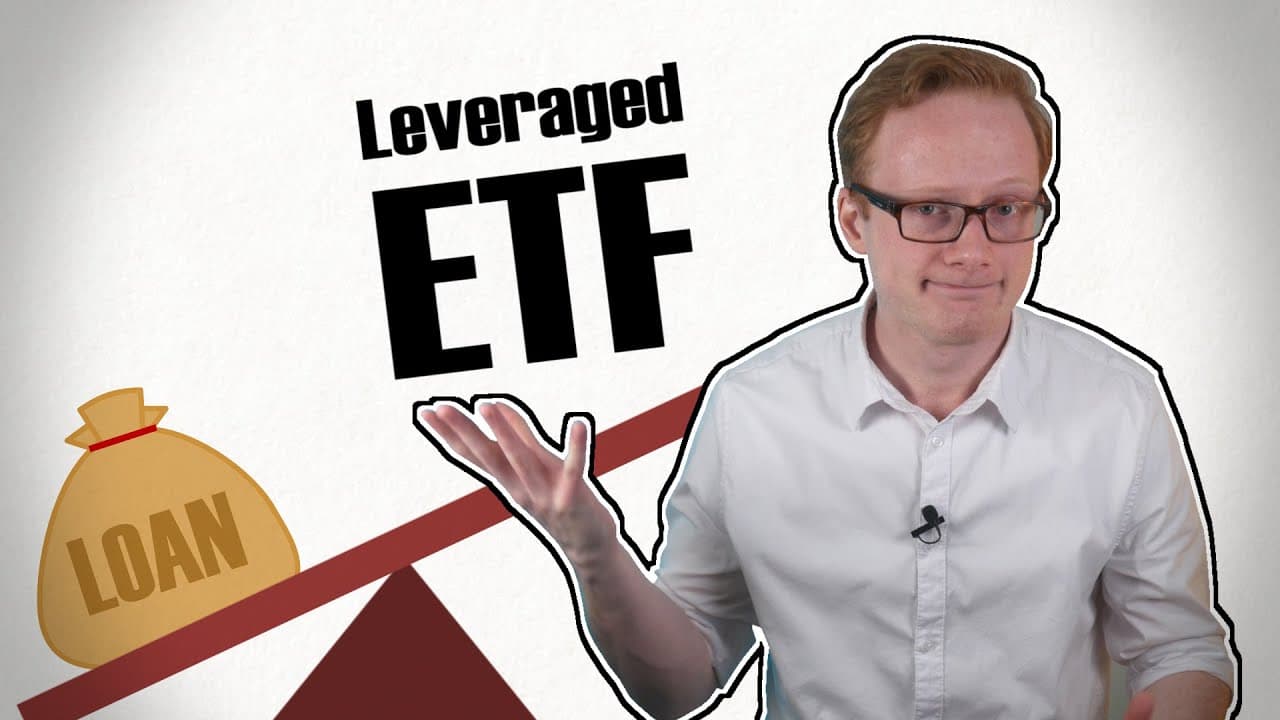
Leveraged ETFs may promise amplified returns through borrowing and derivatives, but they can lead to significant losses over time. Due to their daily reset mechanism, these ETFs often exhibit a negative return bias, making them risky for long-term investors despite their appeal for short-term trading. Even in a rising market, volatility can cause leveraged ETFs to underperform compared to their underlying index.
Transcript
this video is sponsored by morningbrew click the link in the description below to start getting your summary of the daily news today what if i told you that there was a way to multiply the return you received from index investing it probably sounds like a gimmick right we all know how difficult it is to beat the market over the long term so outperf... Read More
Key Insights
- ✋ Leveraged ETFs promise higher returns in the short term, but their effectiveness diminishes over time.
- ✋ Leveraged ETFs have higher fees compared to standard index funds.
- ↩️ Negative returns have a greater impact than positive returns in leveraged ETFs due to the compounding effect of leverage.
- 🍉 Leveraged ETFs can be useful for short-term traders and hedging strategies, but the risks outweigh the benefits for long-term investors.
- 🥺 Daily leverage reset in leveraged ETFs can lead to significant deviations from the underlying index's returns.
- 😮 Even if the market rises over time, leveraged ETFs can still yield negative returns if there is significant volatility.
- 🥳 Leveraged ETFs amplify losses, and even a few bad days can wipe out gains or the entire investment.
Install to Summarize YouTube Videos and Get Transcripts
Explore YouTube Video Summarizer or Get YouTube Transcript Extractor
Questions & Answers
Q: How do leveraged ETFs amplify returns?
Leveraged ETFs use borrowed money or derivatives to increase the return of a given index, adding a two or three times multiplier to the daily return.
Q: Can leveraged ETFs be used for hedging strategies?
Yes, leveraged ETFs can be part of advanced hedging strategies to limit risk exposure in a portfolio, but they are more commonly used by short-term traders.
Q: Do leveraged ETFs have higher fees?
Yes, leveraged ETFs often have higher fees compared to standard index funds, with expense ratios typically being one percentage point higher or more.
Q: Can leveraged ETFs lead to losses even if the market rises over time?
Yes, leveraged ETFs have a negative return bias and their returns can vary drastically from the underlying index due to daily leverage reset. Even if the market rises, leveraged ETFs may still yield negative returns.
Q: How does leverage amplify losses in leveraged ETFs?
Leveraged ETFs compound negative declines, making losses more severe than expected. A small decline can result in substantial losses, especially when leverage is multiplied two or three times.
Summary & Key Takeaways
-
Leveraged ETFs amplify the return of a given index through the use of borrowed money and derivatives, offering potential higher profits in the short term.
-
These ETFs reset their leverage daily and may have higher fees compared to standard index funds.
-
Negative returns have a greater impact than positive returns on a per unit basis, making leveraged ETFs risky for long-term investors.
Read in Other Languages (beta)
Share This Summary 📚
Summarize YouTube Videos and Get Video Transcripts with 1-Click
Try YouTube Summary with ChatGPT & Claude or YouTube Transcript Generator
Explore More Summaries from The Plain Bagel 📚






Summarize YouTube Videos and Get Video Transcripts with 1-Click
Try YouTube Summary with ChatGPT & Claude or YouTube Transcript Generator