Illustration Tutorial: Shading with Watercolor & Gouache
TL;DR
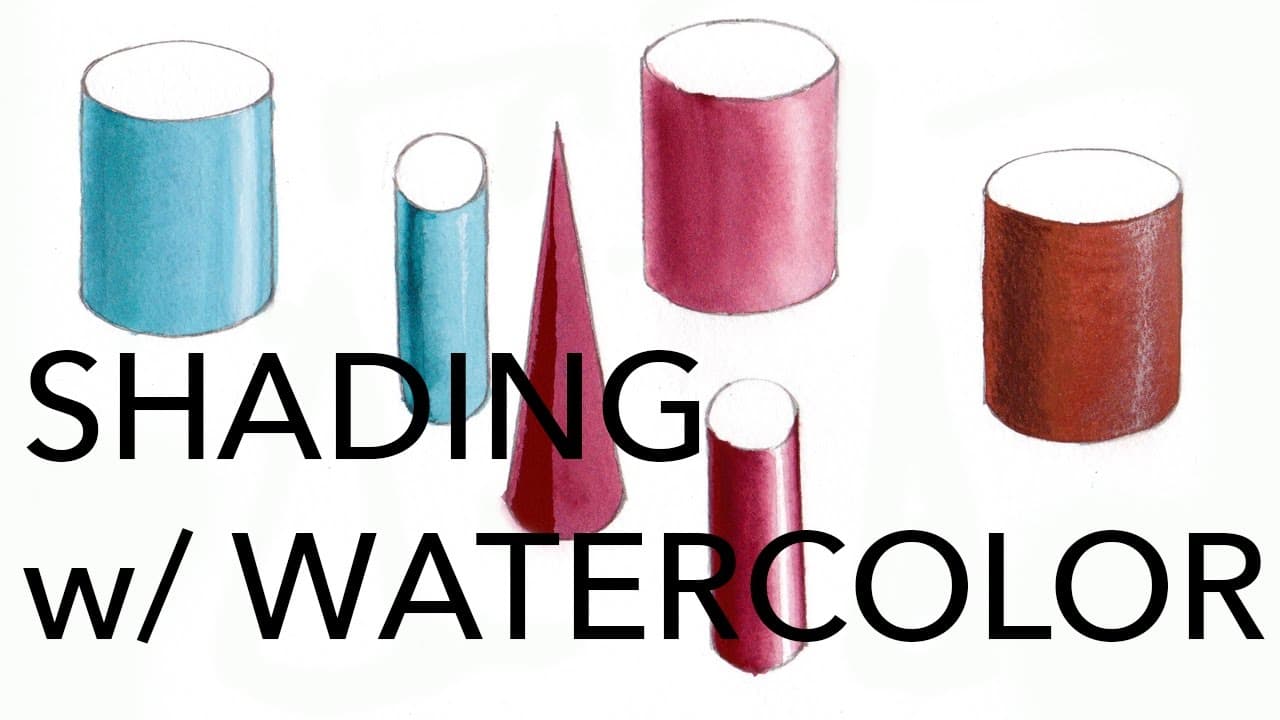
Learn how to use watercolors and gouache to create shadow and highlight effects in illustrations, with tips on color mixing and various techniques.
Transcript
hi everyone in this video I'm going to go over some techniques I use to shadow and highlight shapes with watercolors and wash now gouache is basically an opaque watercolor and you can use a lot of water with it to shear it out like watercolor or you can add very little water to keep it opaque and that's why I prefer gouache because I really enjoy t... Read More
Key Insights
- 👻 Gouache offers versatility in creating opaque or sheer effects and allows for layering of colors in illustrations.
- ⚾ Matching fabric colors and creating shadow and highlight tones based on fabric swatches can enhance the realism of artwork.
- 🏆 Testing colors on the same paper used for the final illustration is crucial for achieving desired results.
- ⌛ Using a large enough brush and ensuring everything is wet and dries at the same time helps in achieving a smooth application of color.
- 🥹 Authentic sable brushes are recommended for their ability to hold more water and cover larger surfaces.
- 👻 Wet-on-wet technique allows for blended shadows and highlights, while dry media can be used for textural effects.
- 🙂 The three-color highlight method can create a shiny effect by using a light color, base color, and shadow color.
Install to Summarize YouTube Videos and Get Transcripts
Explore YouTube Video Summarizer or Get YouTube Transcript Extractor
Questions & Answers
Q: What is the advantage of using gouache over watercolor for shadow and highlight effects?
Gouache is preferred for its versatility, as it can be used as an opaque watercolor or mixed with little water to keep it opaque. This allows for layering of lighter colors over darker colors and achieving desired textures in illustrations.
Q: How does the artist approach color mixing for shadows and highlights?
The artist matches the shadow color of a fabric swatch using either gouache or watercolor. She then creates different dilutions of the shadow color by adding varying amounts of water. Additionally, she may create different shadow tones if desired.
Q: Why is it important to always test colors on the same paper used for the final illustration?
Different papers can cause colors to react and appear differently. By testing on the same paper, artists can ensure the desired colors and effects are achieved in the final artwork.
Q: What is the key to achieving a smooth application of color?
The key is to ensure that everything is wet at the same time and dries at the same time. This prevents the occurrence of separation lines and streakiness. Using a large enough brush and working quickly is also important.
Q: What type of brushes does the artist recommend for painting?
The artist prefers authentic sable brushes for their ability to hold more water, allowing for the application of paint to cover the entire surface in one go. Cheaper artificial brushes can be used for mixing and grinding paint.
Q: What is the wet-on-wet technique and when is it used?
Wet-on-wet technique involves applying wet paint on top of wet paper. This technique is used to create blended shadows and highlights. It is important to use more concentrated, darker paint when painting on wet paper to achieve desired results.
Q: How can dry media such as color pencils be used for highlighting with gouache?
Dry on dry technique involves using dry media like color pencils over a completely dry painted shape. This technique provides control with the color pencil and allows for the use of gouache underneath to enhance pigmentation.
Q: What is the three-color highlight method and when is it used?
The three-color highlight method involves using three colors: a light color between white and the base color, the base color, and a shadow color. This method is used to create a shiny effect, with the light color placed around the highlight.
Summary & Key Takeaways
-
The video demonstrates techniques for shadowing and highlighting using watercolors and gouache.
-
The artist explains her approach to mixing colors, including creating shadow and highlight colors based on fabric swatches.
-
Different techniques, such as wet-on-dry, wet-on-wet, and dry on dry, are shown for achieving different effects with shadows and highlights.
Read in Other Languages (beta)
Share This Summary 📚
Summarize YouTube Videos and Get Video Transcripts with 1-Click
Try YouTube Summary with ChatGPT & Claude or YouTube Transcript Generator
Explore More Summaries from Zoe Hong 📚

Summarize YouTube Videos and Get Video Transcripts with 1-Click
Try YouTube Summary with ChatGPT & Claude or YouTube Transcript Generator