How Elephant Taste Buds Are Fighting Climate Change
TL;DR
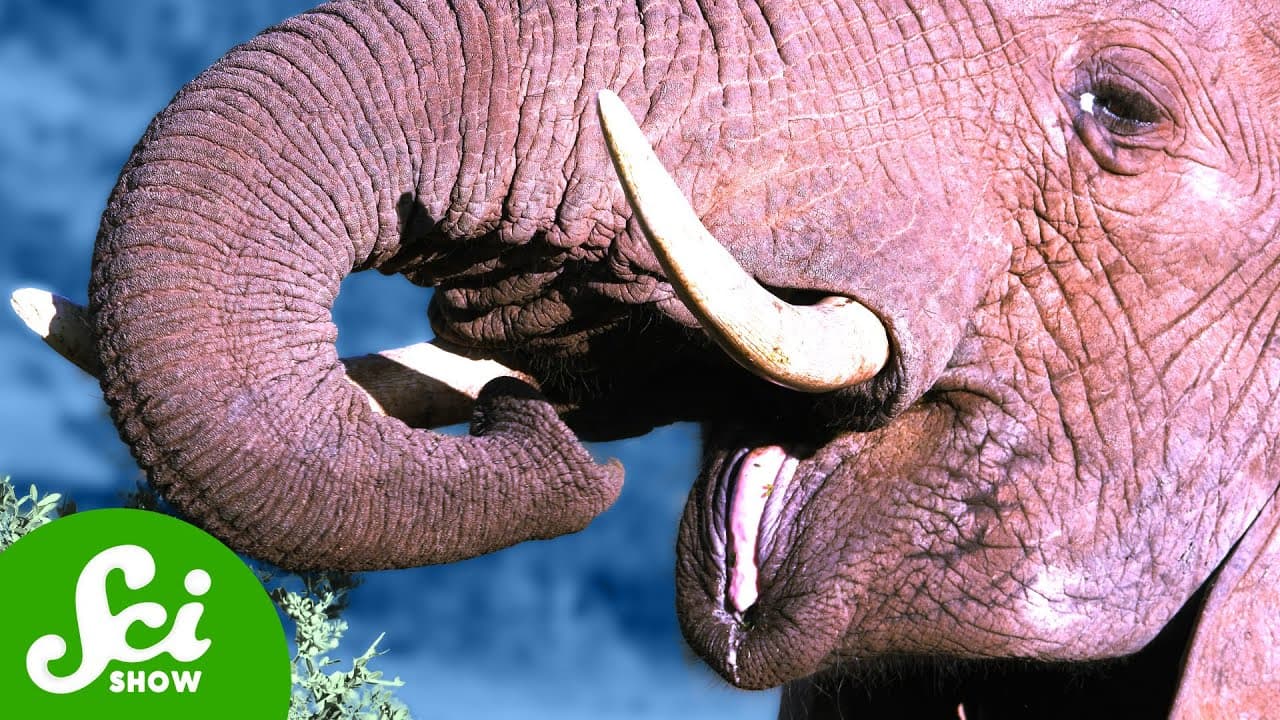
Some populations of elephants adapted to forest life, and their selective feeding habits contribute to carbon sequestration in forests, benefitting the environment.
Transcript
[♪ INTRO] When you hear the expression “it looks like a herd of elephants came through here,” you probably don’t visualize a healthy and prosperous forest with a lot of upright trees. After all, elephants are huge and stampy and it’s somewhat easy to think of them as destroyers rather than caretakers. But some populations of elephants are adapte... Read More
Key Insights
- 🤱 Carbon sequestration can be achieved through both natural processes, such as the feeding habits of elephants, and technological methods.
- 🌲 Elephants selectively feed on leaves from low wood density trees, contributing to carbon sequestration by thinning out less efficient carbon capture trees.
- 🌲 The dispersal of fruit seeds by elephants helps increase the number of dense-wood trees in the forest, further enhancing carbon storage.
- 🧑⚕️ Protecting large herbivores, including elephants, is crucial for maintaining carbon storage and overall ecosystem health.
- 🌥️ The presence of large herbivores positively impacts soil carbon levels and contributes to the resilience of ecosystems.
- 🖐️ Ancient megaherbivores played a significant role in carbon storage and ecosystem functions, but their populations have significantly declined.
- 💁 Understanding the role of elephants and other large herbivores in carbon sequestration can inform conservation efforts and climate change mitigation strategies.
Install to Summarize YouTube Videos and Get Transcripts
Explore YouTube Video Summarizer or Get YouTube Transcript Extractor
Questions & Answers
Q: How do elephants contribute to carbon sequestration in forests?
Elephants contribute to carbon sequestration by preferentially feeding on leaves from trees with low wood density, thinning out less efficient carbon capture trees, and promoting the growth of dense-wood trees through the dispersal of fruit seeds.
Q: What is the role of carbon sequestration in fighting climate change?
Carbon sequestration is essential in fighting climate change as it helps remove carbon dioxide from the atmosphere, mitigating the greenhouse effect and reducing global warming.
Q: Besides elephants, are there other large herbivores that contribute to carbon storage?
Yes, the presence of large herbivores, including megaherbivores like hippos, rhinos, giraffes, and bison, contribute positively to carbon storage in both forests and grasslands.
Q: How do elephants impact soil carbon levels?
Elephants, along with other large herbivores, positively contribute to soil carbon levels through their grazing habits, nutrient cycling, and seed dispersal, making ecosystems more resilient and less susceptible to fire.
Summary & Key Takeaways
-
Elephants adapted to forest life contribute to carbon sequestration in forests through their selective feeding habits.
-
They prefer leaves from trees with low wood density, which are less efficient at carbon capture, and help thin out these trees.
-
When elephants eat fruit from trees with high wood density, it helps spread their seeds and increases the number of dense-wood trees in the forest, further enhancing carbon storage.
Read in Other Languages (beta)
Share This Summary 📚
Summarize YouTube Videos and Get Video Transcripts with 1-Click
Try YouTube Summary with ChatGPT & Claude or YouTube Transcript Generator
Explore More Summaries from SciShow 📚


Summarize YouTube Videos and Get Video Transcripts with 1-Click
Try YouTube Summary with ChatGPT & Claude or YouTube Transcript Generator