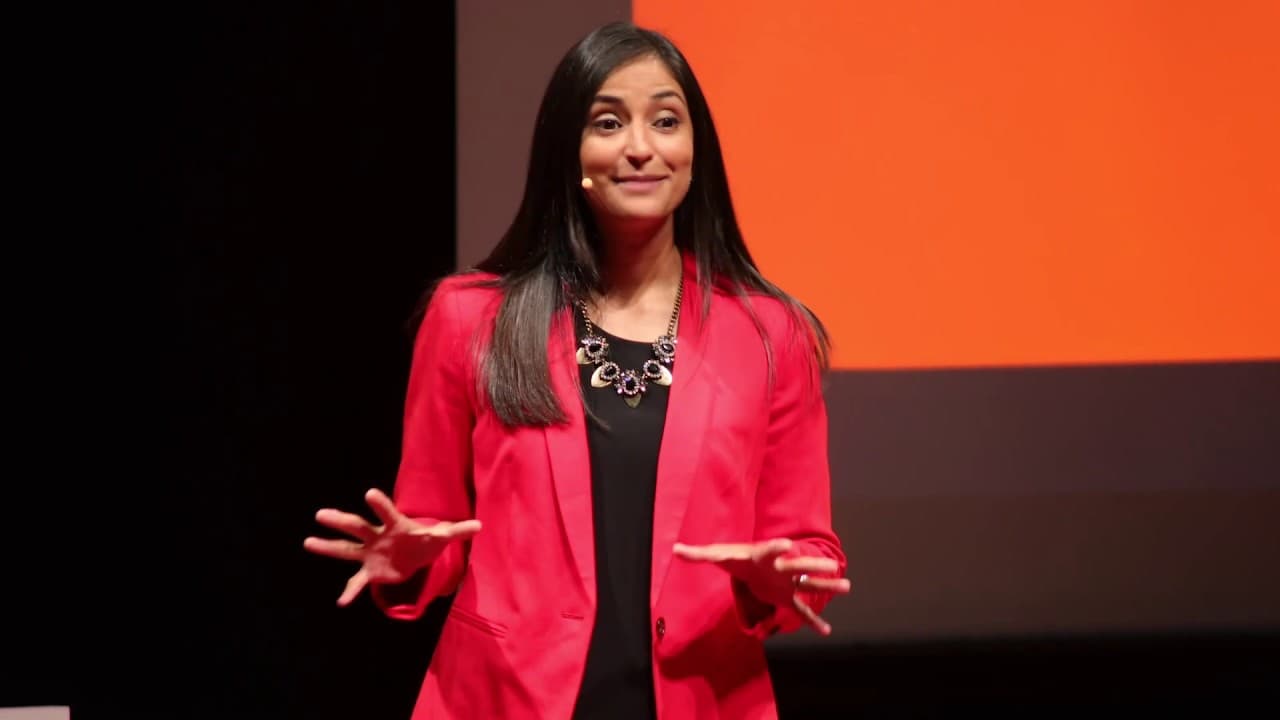
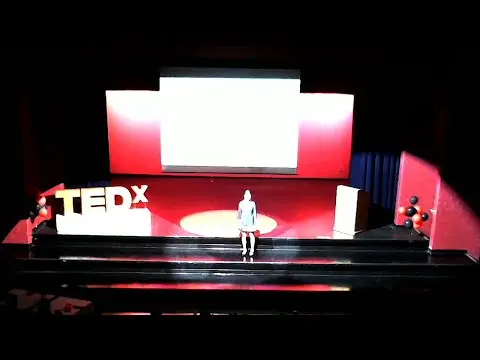
Reframing Reproductive Rights: Going Beyond Pro-Choice vs Pro Life | Asha Dahya | TEDxNormal
TL;DR
Abortion is a complex issue that goes beyond pro-choice and pro-life labels, and this content explores the need to have compassionate conversations, support women, and address broader reproductive health issues.
Transcript
there is no more divisive word in our society today than abortion already I've immediately made a number of you want most of all you might be thinking is she going to be political is this going to be a pro-life talk or pro-choice well I'm gonna put your mind at ease and let you know it is neither now some of you might be thinking but what else is t... Read More
Key Insights
- 😊 The abortion debate is highly divisive, but there is a need to move beyond the pro-choice and pro-life labels to have a more nuanced understanding of the issue.
- 👩🏫 Many women who identify as pro-life have had abortions, highlighting the complexity and personal circumstances involved in the decision.
- 🧑🏭 Abortion is not an isolated choice, but rather influenced by various social factors and personal stories.
- ☠️ The decline in abortion rates should be examined in terms of the reasons behind it, and we should shift the conversation to address broader reproductive health issues.
- 🇦🇪 Maternal mortality rates in the United States, especially among African-American women, are alarmingly high and require urgent attention.
- 🤪 By going beyond the traditional binary and engaging in open, compassionate conversations, a cultural shift in the way we think about and discuss abortion is possible.
- 😷 Abortion should be viewed as a medical and social issue, sparking productive outcomes in policy instead of shame and judgment.
- 🧔♀️ Women, particularly those from low-income and minority backgrounds, bear the ultimate cost of divisive political stances and need more support and understanding.
Install to Summarize YouTube Videos and Get Transcripts
Explore YouTube Video Summarizer or Get YouTube Transcript Extractor
Questions & Answers
Q: How did the speaker's views on abortion change after receiving private messages from church friends?
The speaker's views on abortion shifted as she learned that some of her pro-life church friends had actually undergone abortions, leading her to question why women went to clinics they disagreed with and to seek a deeper understanding of their experiences.
Q: What factors contribute to the decision to have an abortion?
The decision to have an abortion is influenced by various factors, including personal circumstances, unplanned pregnancies, the belief in God's forgiveness, and the support (or lack thereof) from churches and communities.
Q: Why should we focus on the reasons for the decline in abortion rates?
By examining the reasons for the decline in abortion rates instead of solely focusing on the pro-choice and pro-life divide, we can gain a deeper understanding of the issue and address interconnected social factors that contribute to these rates.
Q: How does the speaker aim to challenge traditional conversations about abortion?
The speaker plans to develop a documentary series that explores not only abortion but also related social issues like sex education, birth control, paid leave, foster care, and maternal mortality. The goal is to foster compassionate and contentious conversations, dismantle the binary labels, and find common ground.
Key Insights:
- The abortion debate is highly divisive, but there is a need to move beyond the pro-choice and pro-life labels to have a more nuanced understanding of the issue.
- Many women who identify as pro-life have had abortions, highlighting the complexity and personal circumstances involved in the decision.
- Abortion is not an isolated choice, but rather influenced by various social factors and personal stories.
- The decline in abortion rates should be examined in terms of the reasons behind it, and we should shift the conversation to address broader reproductive health issues.
- Maternal mortality rates in the United States, especially among African-American women, are alarmingly high and require urgent attention.
- By going beyond the traditional binary and engaging in open, compassionate conversations, a cultural shift in the way we think about and discuss abortion is possible.
- Abortion should be viewed as a medical and social issue, sparking productive outcomes in policy instead of shame and judgment.
- Women, particularly those from low-income and minority backgrounds, bear the ultimate cost of divisive political stances and need more support and understanding.
Overall, the content delves into the personal journey of the speaker, the complexities of abortion, and the need for a broader, inclusive conversation that transcends pro-choice and pro-life labels.
Summary & Key Takeaways
-
The speaker, who was once pro-life, undertook a journey to understand abortion by researching data, reading personal stories, and questioning her own beliefs.
-
She discovered that many women from different backgrounds had complex reasons for choosing abortion, and that it was not a black-and-white issue.
-
The content aims to challenge binary labels, bring together experts, and explore interconnected social issues like sex education, birth control, maternal health, and more.
Read in Other Languages (beta)
Share This Summary 📚
Summarize YouTube Videos and Get Video Transcripts with 1-Click
Try YouTube Summary with ChatGPT & Claude or YouTube Transcript Generator
Explore More Summaries from TEDx Talks 📚
Summarize YouTube Videos and Get Video Transcripts with 1-Click
Try YouTube Summary with ChatGPT & Claude or YouTube Transcript Generator