How to Speak English Naturally Like a Native
TL;DR
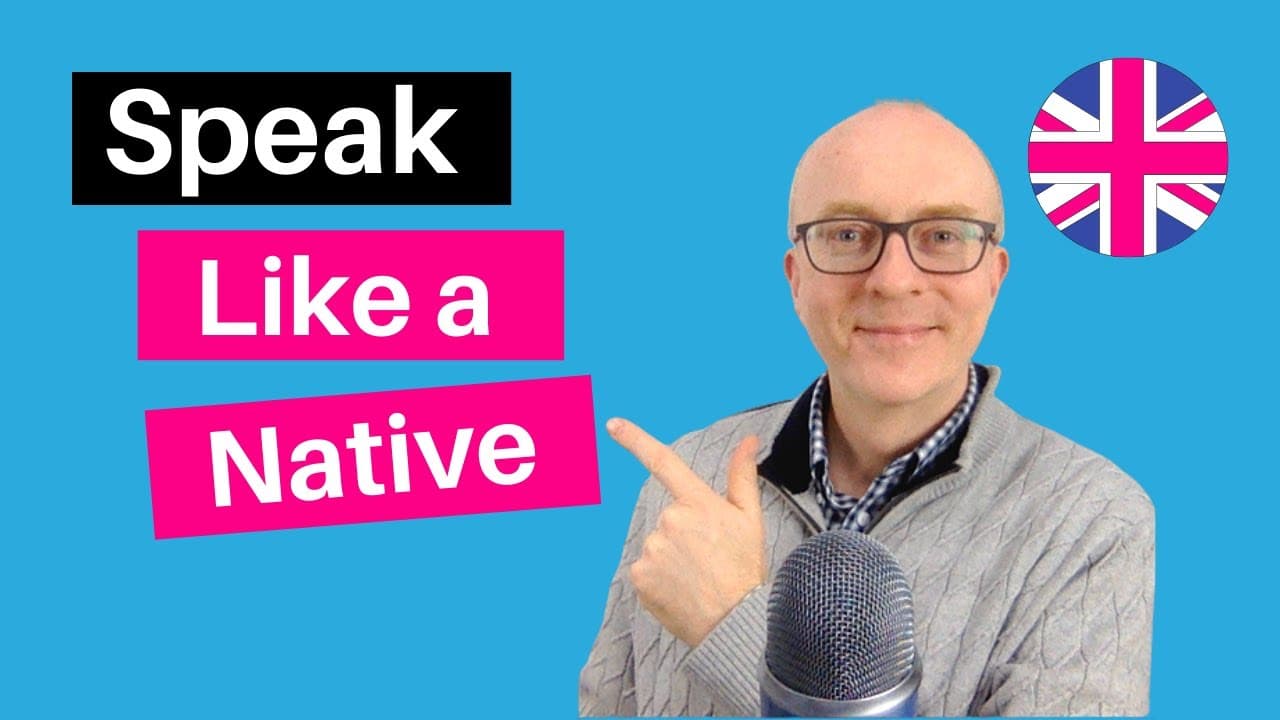
To sound more like a native English speaker, focus on practicing linked speech and contractions. This video teaches essential phrases and pronunciation quirks that differ from textbook English, aiding in better understanding and communication. Emphasizing practice over perfection, Keith shares valuable resources to enhance your fluency.
Transcript
it's not that difficult to sound more like a native speaker you just need to practice speaking in a different way many students learn and practice speaking english with books and they end up sounding more like a book than a real person well let's fix that right now keep watching and in the next 20 to 30 minutes i will have you speak... Read More
Key Insights
- Many students learn English from books, which can lead to sounding unnatural. Practicing real-life speaking is essential.
- Native speakers often link words, use contractions, and change sounds, making spoken English different from written English.
- Common phrases like 'What do you do?' become 'Whaddaya do?' in natural speech, illustrating the importance of understanding spoken contractions.
- Contractions like 'wanna' and 'gonna' are acceptable in IELTS speaking as they reflect natural conversational English.
- The video introduces a story about three bears, 'Does he', 'Was he', and 'Has he', to explain common contraction patterns in questions.
- Fluency in English involves understanding and practicing natural speech patterns, including linking words and using contractions.
- The goal is not to sound perfect but to improve pronunciation and fluency, making communication more effective.
- Keith offers resources like the Fluency Gym and an advanced listening lesson to help learners understand and practice English better.
Install to Summarize YouTube Videos and Get Transcripts
Explore YouTube Video Summarizer or Get YouTube Transcript Extractor
Questions & Answers
Q: Why do students often sound unnatural when speaking English?
Students often sound unnatural because they learn English from books, which doesn't reflect how native speakers actually talk. Books focus on formal, written language, while real-life conversation involves contractions, linked words, and altered sounds, which are not typically covered in textbooks.
Q: What are some common contractions native speakers use?
Native speakers commonly use contractions such as 'wanna' for 'want to', 'gonna' for 'going to', and 'shoulda' for 'should have'. These contractions help in making speech more fluid and natural, reflecting everyday conversational English.
Q: How does the story of the three bears help in understanding English contractions?
The story of the three bears, 'Does he', 'Was he', and 'Has he', illustrates how contractions work in questions. The 'h' sound is often dropped, making 'Does he' sound like 'Duz he', and 'Was he' like 'Wuzzy'. This helps learners recognize and practice these common patterns.
Q: Can contractions like 'wanna' and 'gonna' be used in IELTS speaking?
Yes, contractions like 'wanna' and 'gonna' can be used in IELTS speaking. The test assesses natural spoken English, so using these contractions reflects conversational fluency and understanding of how native speakers communicate.
Q: What resources does Keith recommend for improving English fluency?
Keith recommends resources such as the Fluency Gym, which provides videos for practicing pronunciation and natural spoken English, and an advanced listening lesson to help understand fast native speaker English. These resources are designed to build fluency and improve listening skills.
Q: What is the ultimate goal of practicing speaking like a native speaker?
The ultimate goal is not to achieve perfection but to improve pronunciation and fluency, making communication more effective. The focus is on understanding and using natural speech patterns to enhance listening and speaking skills, without the pressure of sounding exactly like a native speaker.
Q: How do linking words affect spoken English?
Linking words in spoken English involves blending sounds and words together, which makes speech more fluid and natural. For example, 'What do you do?' often sounds like 'Whaddaya do?' Understanding these patterns helps learners comprehend and participate in real-life conversations more effectively.
Q: What mindset should learners adopt when practicing English speaking?
Learners should adopt a mindset focused on practice, not perfection. Enjoying the process of playing with sounds and practicing speech patterns is crucial. This approach reduces frustration and encourages continuous improvement in both listening and speaking skills.
Summary & Key Takeaways
-
The video emphasizes the importance of practicing speaking English in a way that mimics native speakers, moving beyond textbook learning.
-
Keith introduces techniques to help learners understand and pronounce common contractions and linked words in natural speech.
-
Resources like the Fluency Gym and advanced listening lessons are recommended to improve fluency and understanding of fast English.
Read in Other Languages (beta)
Share This Summary 📚
Summarize YouTube Videos and Get Video Transcripts with 1-Click
Try YouTube Summary with ChatGPT & Claude or YouTube Transcript Generator
Explore More Summaries from English Speaking Success 📚


Summarize YouTube Videos and Get Video Transcripts with 1-Click
Try YouTube Summary with ChatGPT & Claude or YouTube Transcript Generator