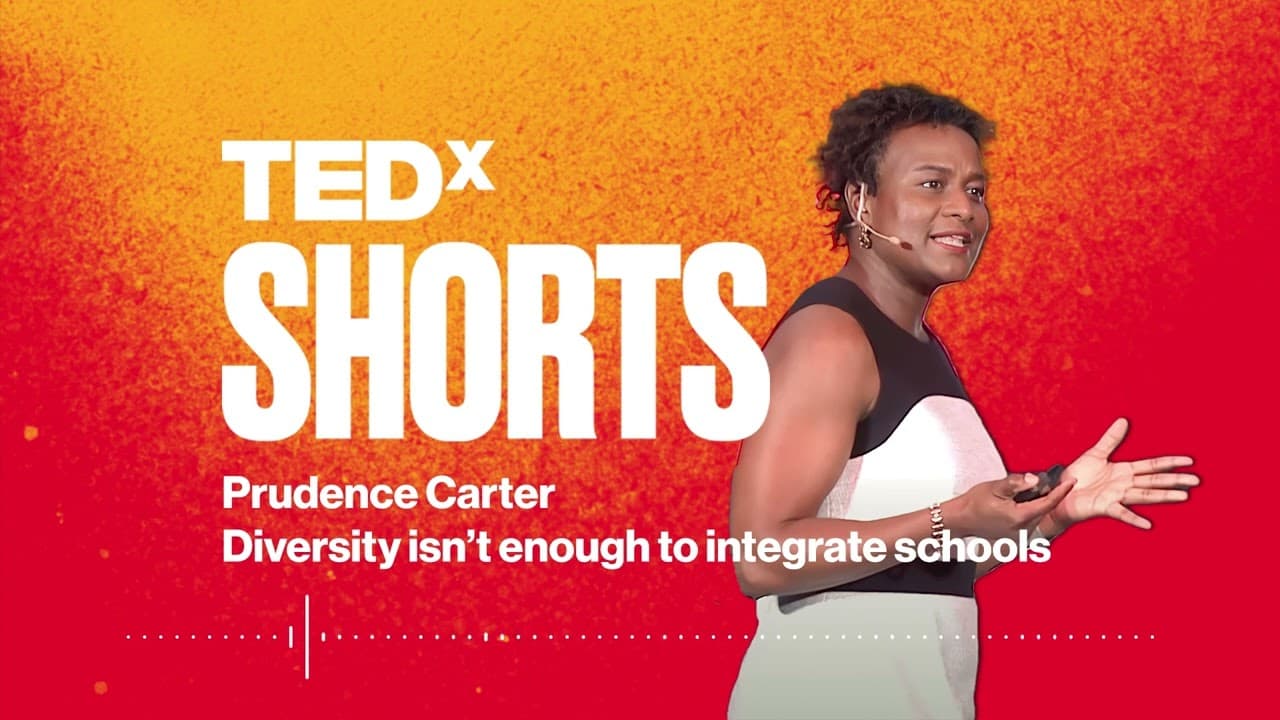
Why Is Diversity Not Enough for School Integration?
TL;DR
Diversity alone fails to achieve true school integration; a cultural and organizational shift is essential. Research shows that students thrive in environments that foster cultural flexibility and provide adequate resources, suggesting that addressing the educational context is critical to bridging academic and social divides among different student backgrounds.
Transcript
a quick new idea daily from the world's greatest tedex TOS I'm your host atosa Leoni and this is tedex shorts many many school districts across the United States struggle with diversity but even within those that educate youth of varying racial ethnic or gender identities how successful is it in bridging cultural and socioeconomic divides Prudence ... Read More
Key Insights
- 🥺 Diversity alone does not lead to integration; cultural and organizational changes are essential.
- 🧑🎓 Contextual factors influence students' cultural flexibility and academic success.
- ✋ Students in less affluent, but culturally diverse schools show higher adaptability levels.
- 🤩 Cultural understanding and flexible minds are key to addressing educational inequality.
- 🧑🎓 The importance of providing ample resources and opportunities for all students to succeed.
- 🌉 A shift towards empathy and inclusivity can help bridge societal and educational gaps.
- 🧑🎓 School environments significantly impact students' ability to navigate academic and social divides.
Install to Summarize YouTube Videos and Get Transcripts
Explore YouTube Video Summarizer or Get YouTube Transcript Extractor
Questions & Answers
Q: How does diversity in schools impact students' ability to cross academic boundaries?
Diversity in schools alone is not sufficient to bridge academic divides; students need cultural flexibility and access to higher-level courses to succeed in diverse environments.
Q: What role does context play in fostering cultural flexibility among students?
Context significantly influences students' cultural flexibility, with those in rigorous courses and diverse but less affluent schools showing higher levels of adaptability.
Q: What are some key findings regarding cultural flexibility among different student groups?
African-American students in less affluent majority minority schools display higher cultural flexibility than their counterparts in more diverse and affluent settings, showcasing the impact of school environment on adaptability.
Q: How can educators promote cultural understanding and integration in schools?
Educators should create inclusive communities that acknowledge diverse cultural backgrounds and empower all students to engage deeply in academic pursuits to bridge societal divides effectively.
Summary & Key Takeaways
-
Prudence L Carter explores the impact of diversity on academic and social environments in high schools in the US and South Africa.
-
She found that cultural flexibility is crucial for students to navigate academic and social divides successfully.
-
Carter emphasizes the need for a cultural shift and better resources to foster educational equality.
Read in Other Languages (beta)
Share This Summary 📚
Summarize YouTube Videos and Get Video Transcripts with 1-Click
Try YouTube Summary with ChatGPT & Claude or YouTube Transcript Generator
Explore More Summaries from TEDx SHORTS: short, eye-opening ideas from some of the world’s greatest TEDx speakers 📚

Summarize YouTube Videos and Get Video Transcripts with 1-Click
Try YouTube Summary with ChatGPT & Claude or YouTube Transcript Generator