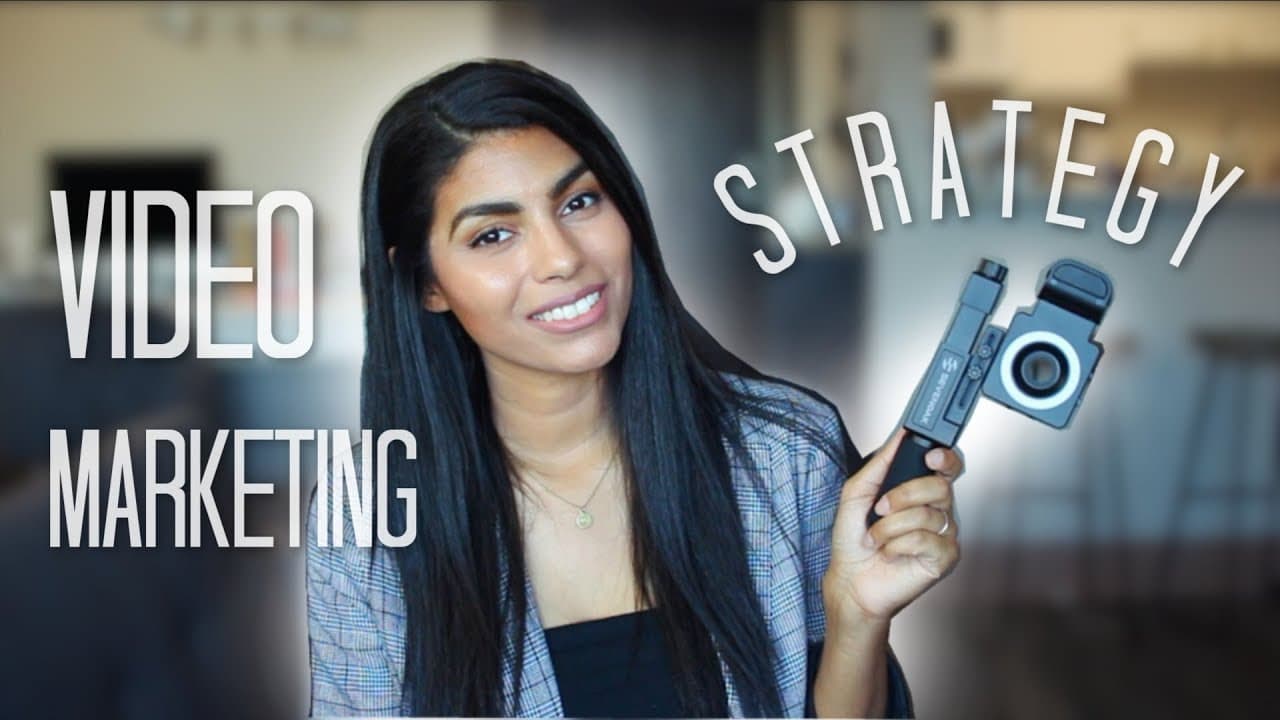
How to Develop a Video Marketing Strategy in 2018
TL;DR
Learn five essential steps for building a video marketing strategy.
Transcript
so if you are thinking of building a video marketing strategy you are not the only one this is a very common ask that I get I am a social media manager and I do videos here on YouTube that talk all about social media trends and strategies and things like that and I get a ton of questions from personal brands influencers small businesses corporation... Read More
Key Insights
- Video marketing can serve multiple purposes, including awareness, lead generation, and customer support. Identify what you want to achieve before starting.
- Utilize existing FAQs to create video content that addresses common customer questions, enhancing engagement and providing valuable information.
- Choose the right platform for your video content based on your target audience's preferences, whether it's YouTube, Instagram, Facebook, or others.
- Invest in equipment wisely; start with basic tools like smartphones and affordable accessories before committing to expensive gear.
- Determine how to measure success by aligning video marketing goals with broader business objectives, such as website traffic or sales conversions.
- Repurpose content across different platforms to maximize reach and efficiency; use snippets or audio from videos for podcasts or social media stories.
- Understand the unique characteristics of each video platform, such as YouTube's focus on education and Instagram's emphasis on aesthetics.
- Use tools like the Smart Cine smartphone rig to enhance video quality without significant investment, making it easier to produce professional-looking content.
Install to Summarize YouTube Videos and Get Transcripts
Explore YouTube Video Summarizer or Get YouTube Transcript Extractor
Questions & Answers
Q: What are the first steps in developing a video marketing strategy?
The initial steps involve determining what you want your video content to achieve, such as brand awareness or lead generation. You should also identify common customer questions that can be addressed through videos, and decide on the platforms that best suit your target audience.
Q: How should businesses choose the right video platform?
Businesses should choose platforms based on where their target audience is most active. For instance, YouTube is ideal for educational content, while Instagram suits visually appealing, quick-moving content. Consider your audience's demographics and preferences before selecting the platforms to focus on.
Q: What equipment is necessary for starting video marketing?
Begin with basic equipment like a smartphone, which can shoot in 1080p. Avoid investing in expensive cameras initially. Affordable tools like the Smart Cine smartphone rig can enhance video quality without a significant financial commitment, making it easier to produce professional-looking content.
Q: How can video marketing success be measured?
Success can be measured by aligning video marketing goals with broader business objectives, such as increased website traffic or sales conversions. Determine specific metrics, like the number of inquiries or sales resulting from video content, to evaluate the effectiveness of your strategy.
Q: What is the importance of repurposing video content?
Repurposing video content allows you to maximize reach and efficiency by using the same material across different platforms. This approach saves time and resources, enabling you to maintain a consistent presence without constantly creating new content. For example, use video snippets for social media stories or podcasts.
Q: What are the unique characteristics of different video platforms?
Each video platform has distinct features: YouTube focuses on educational content, Instagram emphasizes aesthetics, and Twitter is current-events driven. Understanding these characteristics helps tailor your content to fit the platform's strengths and your audience's expectations.
Q: How can businesses avoid overwhelming costs in video production?
Businesses can avoid overwhelming costs by starting with basic equipment like smartphones and gradually investing in additional tools as needed. Affordable accessories like the Smart Cine smartphone rig can significantly enhance video quality without a substantial financial commitment, allowing for professional-looking content production.
Q: What role does audience preference play in video marketing strategy?
Audience preference is crucial in determining the platforms and types of content to focus on. Understanding where your target audience spends their time and what type of content they engage with most helps tailor your video marketing strategy to meet their expectations and enhance engagement.
Summary & Key Takeaways
-
Developing a video marketing strategy involves identifying your goals, understanding your audience, and utilizing the right platforms. Start with existing FAQs for content ideas and choose platforms that align with your target audience. Invest in basic equipment initially to avoid overwhelming costs.
-
Measuring success in video marketing requires aligning your goals with broader business objectives, such as website traffic or sales conversions. Repurpose content across platforms to enhance efficiency and reach. Use tools like Smart Cine to improve video quality without significant investment.
-
Video platforms have unique characteristics; YouTube is educational, while Instagram is aesthetically driven. Choose platforms based on your audience's preferences. Utilize affordable tools like smartphones and Smart Cine rigs to produce high-quality content without a substantial financial commitment.
Read in Other Languages (beta)
Share This Summary 📚
Summarize YouTube Videos and Get Video Transcripts with 1-Click
Try YouTube Summary with ChatGPT & Claude or YouTube Transcript Generator
Explore More Summaries from Latasha James 📚






Summarize YouTube Videos and Get Video Transcripts with 1-Click
Try YouTube Summary with ChatGPT & Claude or YouTube Transcript Generator