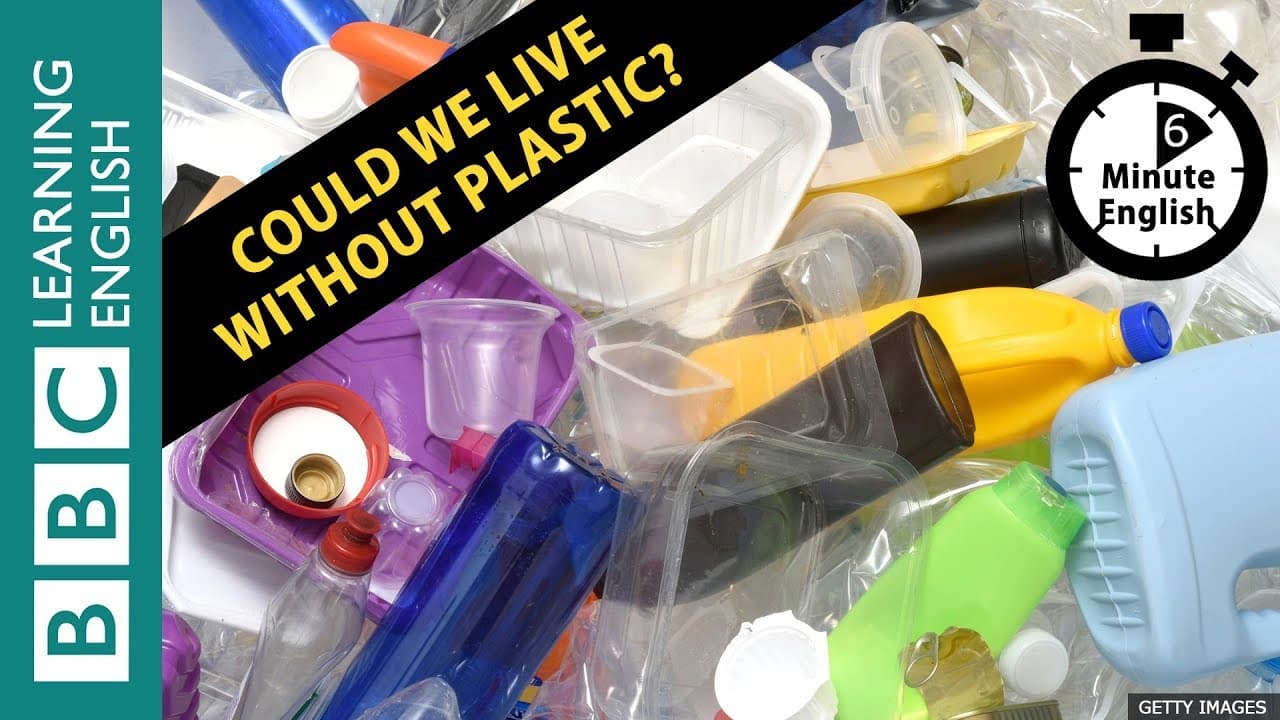
Curbing our plastic addiction - 6 Minute English
TL;DR
Exploring the challenges of reducing plastic use.
Transcript
Neil: Hello, and welcome to 6 Minute English. I'm Neil. Rob: And hello, I'm Rob. Neil: Today we're talking about plastic. Rob: Yes, it's our addiction to plastic that's of concern because this material doesn't decay very quickly, so once we've used it, it hangs around for a very long time. Neil: It is a problem - and decay, by the way, describes th... Read More
Key Insights
- Plastic doesn't decay quickly, leading to long-term environmental issues, particularly for marine wildlife that can become entangled in or ingest plastic waste.
- The psychological attachment to plastic creates a 'push and pull' feeling, causing a psychological dissonance that hinders efforts to reduce plastic usage.
- Awareness about plastic pollution is growing, and more people are turning to activism, pushing for behavioral and political changes to reduce plastic waste.
- Recycling is encouraged, but completely eliminating plastic use is challenging due to its convenience and ubiquity in modern life.
- Lucy Siegle suggests focusing on reducing plastic flow into our lives gradually rather than attempting to go completely plastic-free immediately.
- Supermarket culture in the UK contributes significantly to plastic consumption, and consumers can influence change by pressuring supermarkets to reduce plastic packaging.
- Despite the negative impacts, plastic remains useful, and it will take time before viable alternatives can completely replace it.
- The first synthetic plastic was Bakelite, invented over 100 years ago, highlighting the long history and integration of plastic in daily life.
Install to Summarize YouTube Videos and Get Transcripts
Explore YouTube Video Summarizer or Get YouTube Transcript Extractor
Questions & Answers
Q: What are the environmental impacts of plastic waste?
Plastic waste causes significant environmental issues, particularly for marine wildlife. Animals can become entangled in plastic debris or ingest it, leading to injury or death. The persistence of plastic in the environment, due to its slow decay rate, exacerbates these problems, making it a pressing issue to address.
Q: What psychological challenges are associated with reducing plastic use?
The psychological challenge lies in the attachment to plastic, which creates a 'push and pull' feeling. People recognize the harm plastic causes, yet feel dependent on its convenience, leading to psychological dissonance. This internal conflict acts as a barrier to changing behaviors and reducing plastic use.
Q: How is awareness about plastic pollution changing people's actions?
Awareness about plastic pollution is increasing, leading more people to engage in activism. This shift is encouraging behavioral changes and political actions aimed at reducing plastic waste. As people become more informed, they are more likely to demand changes from industries and adopt sustainable practices.
Q: Why is it difficult to completely eliminate plastic use?
Eliminating plastic use is challenging due to its widespread convenience and integration into daily life. Many products rely on plastic for packaging and durability. While recycling is encouraged, finding alternatives that match plastic's functionality and cost-effectiveness remains a significant barrier.
Q: What approach does Lucy Siegle suggest for reducing plastic use?
Lucy Siegle recommends focusing on gradually reducing the flow of plastic into our lives rather than attempting to go completely plastic-free immediately. She believes this approach is more sustainable and effective in the long term, as it allows individuals to adapt and find practical solutions to decrease plastic consumption.
Q: How does supermarket culture contribute to plastic consumption?
Supermarket culture in the UK contributes significantly to plastic consumption due to the prevalence of plastic packaging for convenience and preservation. Consumers can play a role in reducing this by pressuring supermarkets to adopt more sustainable packaging options and reducing reliance on single-use plastics.
Q: What is the significance of Bakelite in the history of plastic?
Bakelite, as the first synthetic plastic invented over 100 years ago, marks a significant milestone in the history of plastic. It represents the beginning of plastic's integration into various industries and everyday life, highlighting its long-standing presence and the challenges associated with reducing its use.
Q: What role does activism play in addressing plastic pollution?
Activism plays a crucial role in addressing plastic pollution by raising awareness, pushing for policy changes, and encouraging behavioral shifts. Activists advocate for reducing plastic use, promoting recycling, and supporting sustainable alternatives, thereby driving societal and political efforts to mitigate the environmental impact of plastic waste.
Summary & Key Takeaways
-
The discussion highlights the pervasive use of plastic and the environmental issues it causes, especially for marine life. The psychological attachment to plastic creates a dissonance that complicates efforts to reduce its use, but growing awareness is leading to more activism.
-
The conversation emphasizes the challenges of eliminating plastic, given its convenience and the ingrained supermarket culture in the UK. Lucy Siegle suggests a gradual reduction in plastic use, focusing on decreasing plastic flow rather than going plastic-free immediately.
-
Plastic remains a useful material, and while recycling and activism are increasing, finding viable alternatives will take time. The program also touches on the historical aspect of plastic, noting Bakelite as the first synthetic plastic invented over a century ago.
Read in Other Languages (beta)
Share This Summary 📚
Summarize YouTube Videos and Get Video Transcripts with 1-Click
Try YouTube Summary with ChatGPT & Claude or YouTube Transcript Generator
Explore More Summaries from BBC Learning English 📚
Summarize YouTube Videos and Get Video Transcripts with 1-Click
Try YouTube Summary with ChatGPT & Claude or YouTube Transcript Generator