What Russia’s Invasion of Ukraine Means for Markets
TL;DR
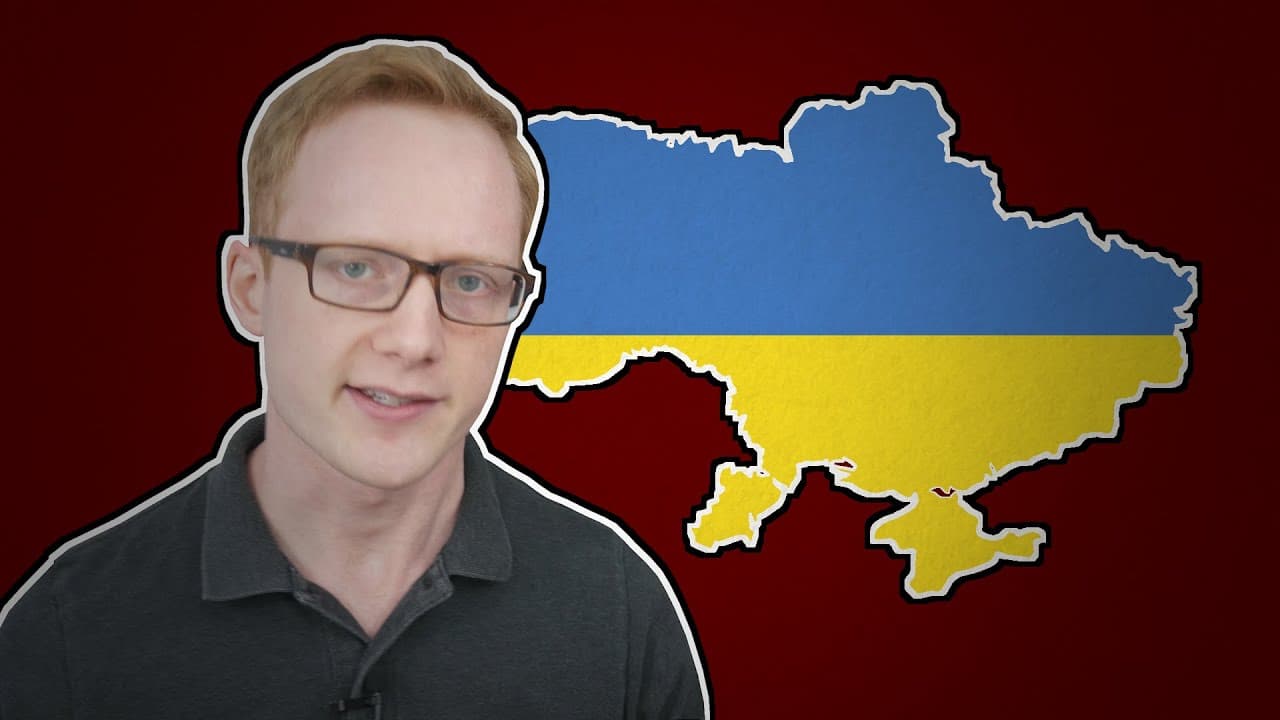
Russia’s invasion of Ukraine means greater market volatility, higher commodity prices, and added inflation risk, although the direct economic impact on America may be relatively light. Russian stocks fell roughly 40% on the invasion announcement, while Brent crude surpassed $100 per barrel for the first time since 2014. Read on to understand the effects on North American markets and why long-term investors should avoid rash decisions.
Transcript
hey guys it's richard you're watching the plane bagel i want to apologize in advance for what will probably be a light on thrills video uh because i'm trying to rush this piece out to discuss uh what's happening right now in ukraine as you probably heard as of thursday february 24th russia has effectively launched a full-scale invasion of ukraine i... Read More
Key Insights
- ❎ Russia's invasion of Ukraine has caused significant market volatility and negative sentiment.
- 🫢 Rising commodity prices, such as natural gas and oil, may result in cost push inflation.
- ❓ Uncertainty about indirect effects and strained relationships between countries contribute to market concerns.
- 🛀 Historically, the market has shown resilience during times of crisis, with long-term positive returns despite initial downturns.
- ✳️ Investors should monitor and manage risk, especially in high-risk positions, to protect their financial well-being during times of volatility.
- 🍉 It is essential for long-term investors to maintain a perspective and not make rash decisions based on short-term market movements.
- 🙂 The impact of the Ukraine crisis on American markets is expected to be relatively light due to minimal economic ties with Russia.
Install to Summarize YouTube Videos and Get Transcripts
Explore YouTube Video Summarizer or Get YouTube Transcript Extractor
Questions & Answers
Q: What does Russia’s invasion of Ukraine mean for markets?
The invasion has increased fear and volatility across Russian, North American, and cryptocurrency markets. It may also raise natural gas, crude oil, and rare-metal prices, creating further cost-push inflation and economic uncertainty.
Q: Why did North American stocks fall after Russia invaded Ukraine?
Investors became nervous about rising commodity prices, additional inflation, sanctions, and indirect economic effects. Even though America has minimal trade with Russia, disruptions affecting European countries can trickle into economies that trade with them.
Q: How did Russian stocks react to the invasion?
Russian stocks fell roughly 40% following the announcement of the invasion. The decline reflects Russia’s direct involvement in the conflict and the expected economic consequences.
Q: How could the invasion affect oil and natural gas prices?
Russia is a major exporter of natural gas and crude oil, especially to Europe. With European nations condemning the invasion and supplies potentially being cut off, natural gas prices spiked and Brent crude surpassed $100 per barrel for the first time since 2014.
Q: Why could higher energy prices cause inflation?
Oil and natural gas are important inputs for fuel, manufacturing, and many other products and services. Higher energy costs can therefore produce price increases elsewhere in the economy, creating cost-push inflation on top of inflation linked to the pandemic and monetary stimulus.
Q: What happened to the Nord Stream II pipeline project?
Germany stopped the process of approving Nord Stream II, a natural gas pipeline between Russia and Germany. This occurred as Europe was already dealing with an energy crunch and natural gas prices were rising.
Q: What economic sanctions against Russia were being discussed?
President Biden indicated that the United States intended to use sanctions and economic consequences rather than military action. Possible measures included restricting Russia’s access to US dollars and the SWIFT payment system used by banks and the financial system.
Q: Should long-term investors sell because of the Ukraine crisis?
The transcript cautions against panicking or immediately abandoning investments simply because markets become rocky. Investors should maintain perspective, monitor risk, especially in high-risk positions, and avoid decisions that may conflict with their long-term interests.
Summary & Key Takeaways
-
Russia's invasion of Ukraine has escalated into a full-scale war, causing concerns about the humanitarian and economic impact.
-
The conflict may lead to a rise in commodity prices, such as natural gas and oil, resulting in cost push inflation.
-
There is uncertainty about the indirect effects on economies, including strained relationships between countries and potential repercussions for the financial system.
Read in Other Languages (beta)
Share This Summary 📚
Summarize YouTube Videos and Get Video Transcripts with 1-Click
Try YouTube Summary with ChatGPT & Claude or YouTube Transcript Generator
Explore More Summaries from The Plain Bagel 📚






Summarize YouTube Videos and Get Video Transcripts with 1-Click
Try YouTube Summary with ChatGPT & Claude or YouTube Transcript Generator