Products
Features
YouTube Video Summarizer
Summarize YouTube videos
Web & PDF Highlighter
Highlight web pages & PDFs
Chat with PDF
Ask any PDF questions with AI
Ask AI Clone
Chat with your highlights & memories
Audio Transcriber
Transcribe audio files to text
Glasp Reader
Read and highlight articles
Kindle Highlight Export
Export your Kindle highlights
Idea Hatch
Hatch ideas from your highlights
Integrations
Obsidian Plugin
Notion Integration
Pocket Integration
Instapaper Integration
Medium Integration
Readwise Integration
Snipd Integration
Hypothesis Integration
Apps & Extensions
Chrome Extension
Safari Extension
Edge Add-ons
Firefox Add-ons
iOS App
Android App
Discover
Discover
Ideas
Discover new ideas and insights
Articles
Curated articles and insights
Books
Book recommendations by great minds
Posts
Essays and notes from readers
Quotes
Inspiring quotes collection
Videos
Curated videos and summaries
Explore Glasp
Glasp Newsletter
Weekly insights and updates
Glasp Talk
Interview series with great minds
Glasp Blog
Latest news and articles
Glasp Use Cases
Learn how others use Glasp
Build & Support
Glasp API
Access Glasp's API for developers
MCP Connector
Connect Glasp to Claude & ChatGPT
Community
Glasp Reddit Community
Students
Student discount and benefits
FAQs
Frequently Asked Questions
AboutPricing
DashboardLog inSign up

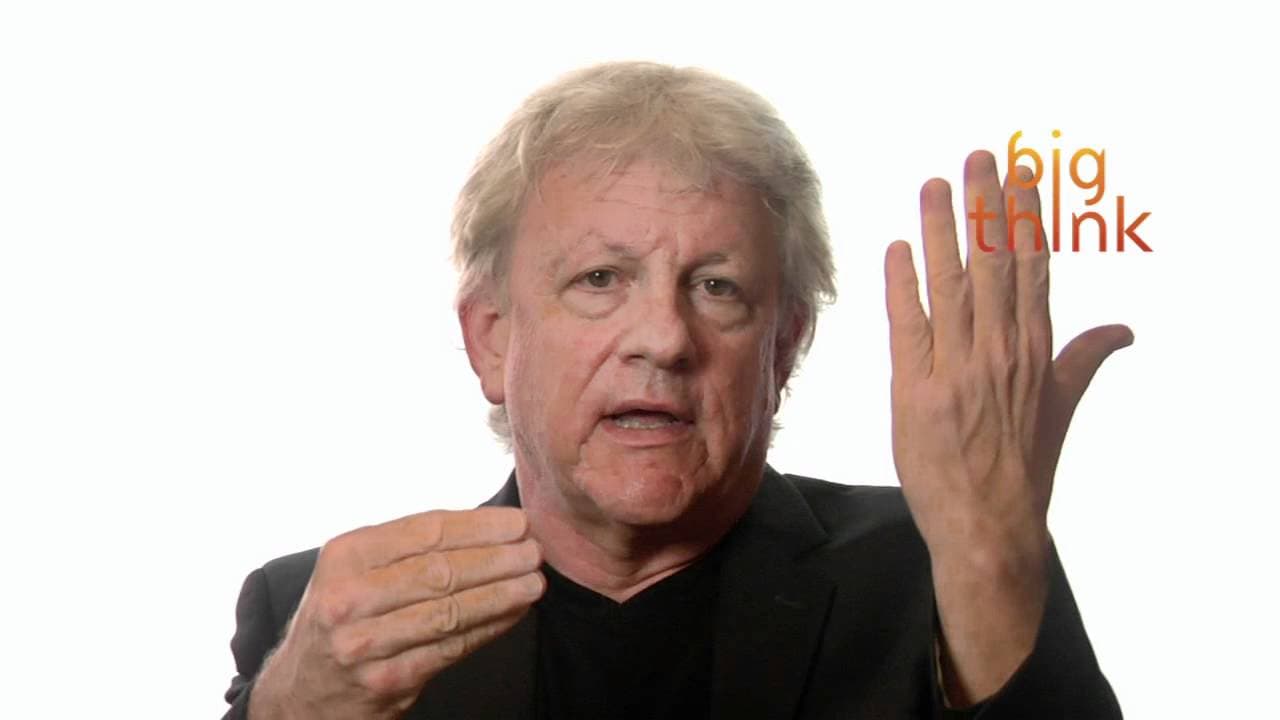
The Evolutionary Paradox of Our Sense of Smell
16.5K views
•
July 6, 2011
by
Big Think
YouTube video player
The Evolutionary Paradox of Our Sense of Smell

TL;DR

The olfactory sense is sophisticated yet primitive, with cells in the nose detecting a vast array of odors.

Transcript

so a faction is quite a remarkable sense actually it's often called the most primitive sense the ability to detect chemicals in the environment and of course in biology the word primitive has a kind of a funny connotation on the one hand you might say primitive meaning well the simplest or the most rudimentary which is the typical word of the meani... Read More

Key Insights

  • 🕵️ The olfactory sense is intricate, with olfactory sensory neurons detecting a vast array of odors.
  • 🔐 Receptors on these neurons function as a lock and key mechanism for odor recognition.
  • 😤 Humans have around 450 different types of protein receptors in the nose, encoded by specific genes.

Install to Summarize YouTube Videos and Get Transcripts

Explore YouTube Video Summarizer or Get YouTube Transcript Extractor

Questions & Answers

Q: Why is the olfactory sense often referred to as primitive in biology?

The term primitive in biology does not imply simplicity but rather the extensive evolutionary history behind the olfactory sense, making it highly sophisticated and refined.

Q: How do olfactory sensory neurons detect and discriminate among different odors?

Olfactory sensory neurons have receptors that act as a lock and key mechanism, selectively binding to odor molecules based on their shape and chemical properties.

Q: How many different types of protein receptors are found on the cells in the nose?

In animals like mice or dogs, there are nearly a thousand different types of protein receptors, while humans have around 450, each encoded by a specific gene in the genome.

Q: What percentage of the human genome is dedicated to the sense of smell?

Approximately 2% of the genes in the human genome are dedicated to the sense of smell, highlighting the evolutionary importance and commitment to this sense.

Summary & Key Takeaways

  • The olfactory sense, often considered primitive, is actually highly evolved over time.

  • Specialized cells in the nose, olfactory sensory neurons, detect and discriminate among numerous chemical compounds.

  • Receptors on these cells function as a lock and key mechanism, allowing for the recognition of different odors based on shape.


Read in Other Languages (beta)

English

Share This Summary 📚

Summarize YouTube Videos and Get Video Transcripts with 1-Click

Download browser extensions on:

Try YouTube Summary with ChatGPT & Claude or YouTube Transcript Generator

Explore More Summaries from Big Think 📚

Carol Gilligan on Becoming a Psychologist  | Big Think thumbnail
Carol Gilligan on Becoming a Psychologist | Big Think
Big Think
Three Reasons to Keep Physical Books thumbnail
Three Reasons to Keep Physical Books
Big Think
How Nelson Mandela Leveraged the Power of Storytelling thumbnail
How Nelson Mandela Leveraged the Power of Storytelling
Big Think
COVID-19: What's happening in US prisons? | Shaka Senghor | Big Think Edge thumbnail
COVID-19: What's happening in US prisons? | Shaka Senghor | Big Think Edge
Big Think

Summarize YouTube Videos and Get Video Transcripts with 1-Click

Download browser extensions on:

Try YouTube Summary with ChatGPT & Claude or YouTube Transcript Generator

Apps & Extensions

  • Chrome Extension
  • Safari Extension
  • Edge Add-ons
  • Firefox Add-ons
  • iOS App
  • Android App

Key Features

  • YouTube Video Summarizer
  • Web & PDF Summarizer
  • Web & PDF Highlighter
  • Chat with PDF
  • Ask AI Clone
  • Audio Transcriber
  • Glasp Reader
  • Kindle Highlight Export
  • Idea Hatch

Integrations

  • Obsidian Plugin
  • Notion Integration
  • Pocket Integration
  • Instapaper Integration
  • Medium Integration
  • Readwise Integration
  • Snipd Integration
  • Hypothesis Integration

More Features

  • APIs
  • MCP Connector
  • Blog & Post
  • Embed Links
  • Image Highlight
  • Personality Test
  • Quote Shots

Company

  • About us
  • Blog
  • Community
  • FAQs
  • Job Board
  • Newsletter
  • Pricing
Terms

•

Privacy

•

Guidelines

© 2026 Glasp Inc. All rights reserved.