The True Hidden Origin Of Skeletor - Explored
TL;DR
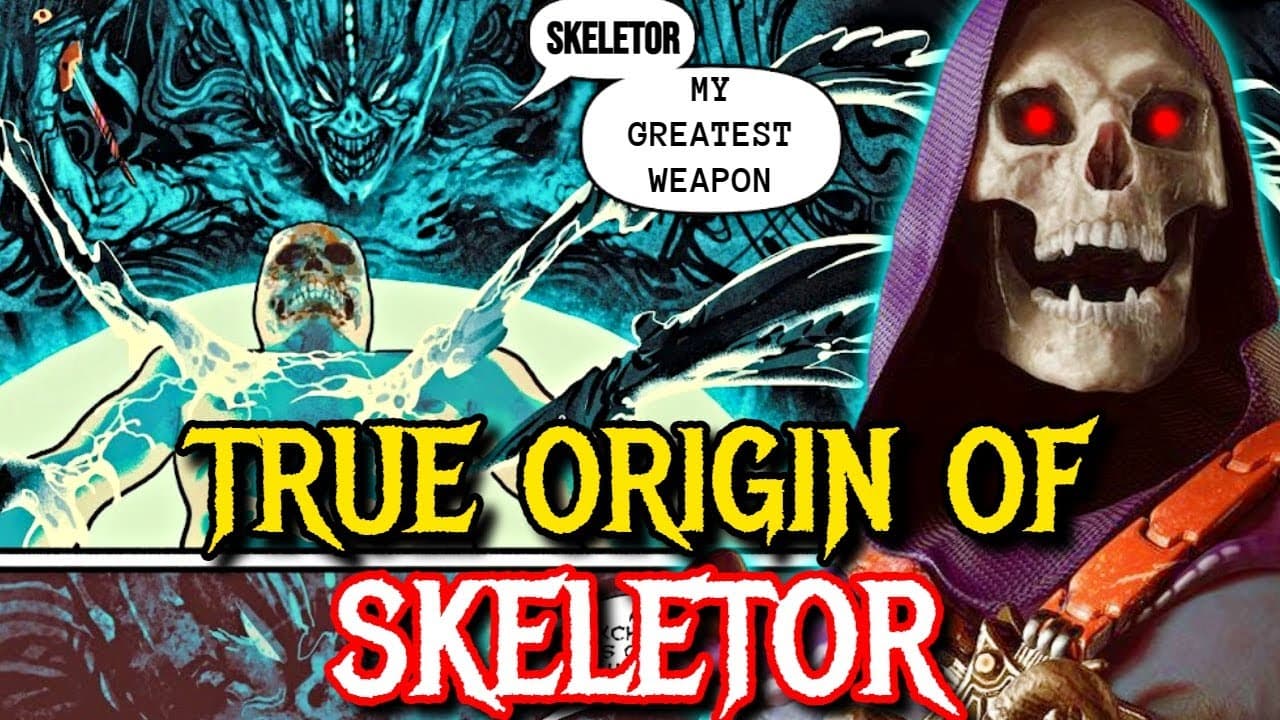
The video explores Skeletor's origins and character development in the Masters of the Universe comic series.
Transcript
please call me Skeletor hello and welcome to another marvelous video He-Man and the Masters of the Universe totally Rock the 80s cartoon scene it all kicked off in 1983 when Mattel and filmation teamed up to create this epic show initially just to sell some toys decades later we're still hyped about the series and its characters in today's video we... Read More
Key Insights
- 🤑 Skeletor was originally a one-dimensional villain, but later adaptations revealed a rich backstory full of emotion and complexity.
- 🪜 The 2012 comic redefined Skeletor as Keldor, a tragic figure whose struggle against his brother Randor adds depth to his villainy.
- ✊ Themes of jealousy, betrayal, and the longing for power serve as the driving forces behind Keldor's transformation into Skeletor.
- 🛟 The narrative illustrates how familial relationships can significantly influence an individual's life choices and moral pathways.
- 🫥 The comic connects to broader literary traditions, echoing stories of sibling conflict found in mythology and classic literature.
- 😈 Skeletor’s character evolution reflects changes in storytelling, emphasizing deeper character motivation over simple good-versus-evil plots.
- 🧑 The reimagining of characters like Skeletor shows the value of exploring anti-hero narratives that resonate with adult audiences.
Install to Summarize YouTube Videos and Get Transcripts
Explore YouTube Video Summarizer or Get YouTube Transcript Extractor
Questions & Answers
Q: What motivated Skeletor's quest for power in the Masters of the Universe?
Skeletor's quest for power is primarily motivated by his deep-seated jealousy and desire for recognition. As Keldor, he felt overshadowed by his brother Randor and wanted to claim the throne of Eternia, believing it was rightfully his. This ambition drives him to seek the secrets of Castle Grayskull, reflecting his thirst for power and validation.
Q: How did Skeletor's character evolve from the original series to the comics?
In the original series, Skeletor was portrayed simply as an evil character from another dimension, focused on conquest without much backstory. However, the comics, particularly the 2012 issue, fleshed out his character by providing an emotional backstory that explores his familial relationships, feelings of betrayal, and motivations, making him a more nuanced villain.
Q: What is the significance of Keldor's relationship with Randor?
Keldor’s relationship with Randor is pivotal because it embodies themes of sibling rivalry and tragic betrayal. Keldor's feelings of inadequacy and jealousy toward his brother drive him to drastic actions, ultimately leading to his transformation into Skeletor. Their dynamic highlights the emotional and personal stakes behind Keldor's descent into villainy.
Q: What themes are explored in the 2012 comic about Skeletor?
The 2012 comic delves into themes such as betrayal, envy, and the quest for power. It portrays Keldor's transformation into Skeletor as a result of familial competition and personal failure, echoing classic tales of brotherly conflict. This emotional depth makes the story resonate on a more adult level, transcending its initial kids' narrative.
Q: How does the comic align with classic mythological narratives?
The narrative mirrors classic mythological tales, particularly the dynamics found in stories like that of Odin, Thor, and Loki, where themes of brotherly competition, betrayal, and the struggle for power come to the forefront. This alignment adds richness to Skeletor's story and positions it within a broader mythological framework.
Q: What can modern audiences learn from Skeletor's story?
Modern audiences can learn about the complexities of ambition, sibling dynamics, and the impacts of jealousy and neglect. Skeletor’s journey illustrates how personal feelings can lead to destructive choices and highlights the importance of understanding and empathy within familial relationships, making it relatable across different age groups.
Summary & Key Takeaways
-
The video provides an overview of Skeletor's history, focusing on his evolution from a simple villain to a complex character with familial ties. It highlights the significance of his quest for power and the emotional depth of his origin story.
-
It specifically discusses the 2012 comic "Masters of the Universe: The Origin of Skeletor," which deepens the narrative by revealing Skeletor's previous identity as Keldor and his rivalry with his brother Randor. This adds layers to his character showing that he was once heroic.
-
The content mentions how Keldor's jealousy and feelings of inadequacy led to his transformation into Skeletor, betraying his brother due to a craving for power and acknowledgment, mirroring classic tales of sibling rivalry.
Read in Other Languages (beta)
Share This Summary 📚
Summarize YouTube Videos and Get Video Transcripts with 1-Click
Try YouTube Summary with ChatGPT & Claude or YouTube Transcript Generator
Explore More Summaries from Marvelous Videos 📚

Summarize YouTube Videos and Get Video Transcripts with 1-Click
Try YouTube Summary with ChatGPT & Claude or YouTube Transcript Generator