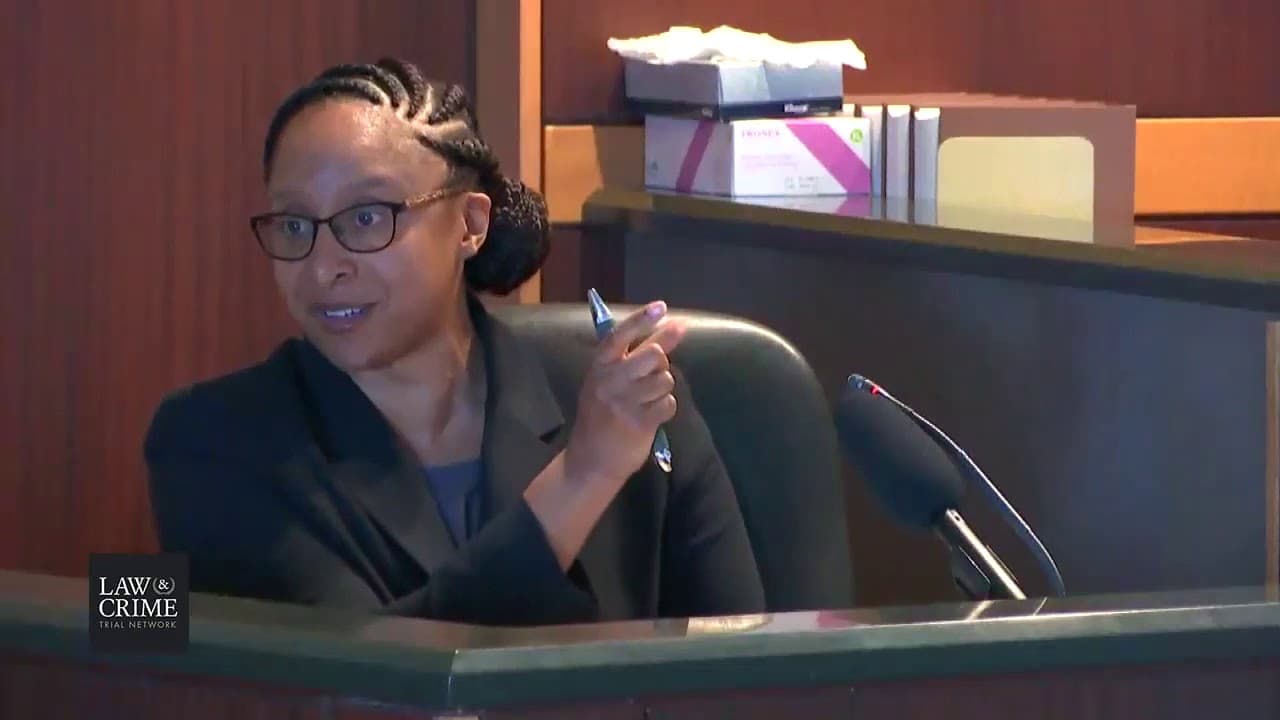
Jimmy Rodgers Trial Day 4 Witnesses: Sherri Fentress - Forensic DNA Analyst & Lt David Lebid
TL;DR
DNA forensic examiner testifies about mitochondrial DNA testing in a criminal case with key suspects.
Transcript
that's counsel on both assistant state attorney state you ready defense okay break them out please be seated well Oscar jurors again did you follow my instructions not talk about the case among yourselves or with anybody else or look up any of the people or places involved even if you did so inadvertently now would be the time to raise your hand an... Read More
Key Insights
- 💼 Mitochondrial DNA testing is a valuable forensic tool for analyzing maternally inherited DNA in criminal cases.
- 🎓 Training and education in molecular biology and genetics are essential for forensic DNA biologists to conduct accurate and valid DNA analysis.
- 🧬 Proficiency testing and peer-reviewed validation processes ensure the reliability of DNA testing techniques in forensic investigations.
- 🧬 DNA evidence from hair samples undergoes extraction, amplification, sequencing, and comparison to determine DNA profiles in forensic casework.
- 😇 DNA matches and exclusions in criminal investigations are crucial for implicating suspects, ruling out innocent parties, and establishing a solid case based on scientific evidence.
- 🧬 Population databases and frequency estimates help forensic examiners interpret DNA results and determine the likelihood of a match within the general population.
- 🦻 Cell phone tower dumps aid in tracking suspects' locations and communication patterns, providing valuable insights in criminal investigations.
Install to Summarize YouTube Videos and Get Transcripts
Explore YouTube Video Summarizer or Get YouTube Transcript Extractor
Questions & Answers
Q: How does mitochondrial DNA testing differ from nuclear DNA testing?
Mitochondrial DNA testing focuses on DNA present in the mitochondria and is passed down maternally, while nuclear DNA testing is inherited from both parents and is unique among individuals.
Q: How do forensic examiners determine DNA matches and exclusions in criminal investigations?
By comparing DNA profiles obtained from evidence samples with reference samples from suspects, forensic examiners can determine matches or exclusions based on sequence comparisons.
Q: What training and qualifications are required to become a forensic DNA biologist?
Forensic DNA biologists require specialized education in molecular biology and genetics, along with extensive training, validation of techniques, and ongoing education to ensure accuracy in DNA analysis.
Q: How do forensic examiners ensure the integrity of DNA evidence during processing?
Forensic examiners follow procedures to prevent contamination or mix-up of DNA samples by using protective measures, maintaining chain of custody, and securing evidence during transportation and analysis.
Summary & Key Takeaways
-
Sheree Ventress, a DNA forensic examiner, testifies about her training and role in conducting mitochondrial DNA testing.
-
DNA testing methods include the examination of hair samples and comparison with reference DNA.
-
Analysis of DNA profiles from different suspects reveals potential matches and exclusions in a criminal investigation.
Read in Other Languages (beta)
Share This Summary 📚
Summarize YouTube Videos and Get Video Transcripts with 1-Click
Try YouTube Summary with ChatGPT & Claude or YouTube Transcript Generator
Explore More Summaries from Law&Crime Network 📚
Summarize YouTube Videos and Get Video Transcripts with 1-Click
Try YouTube Summary with ChatGPT & Claude or YouTube Transcript Generator