BEFORE Using Retinol Skin Products, Watch This - Top Dermatologist Explains
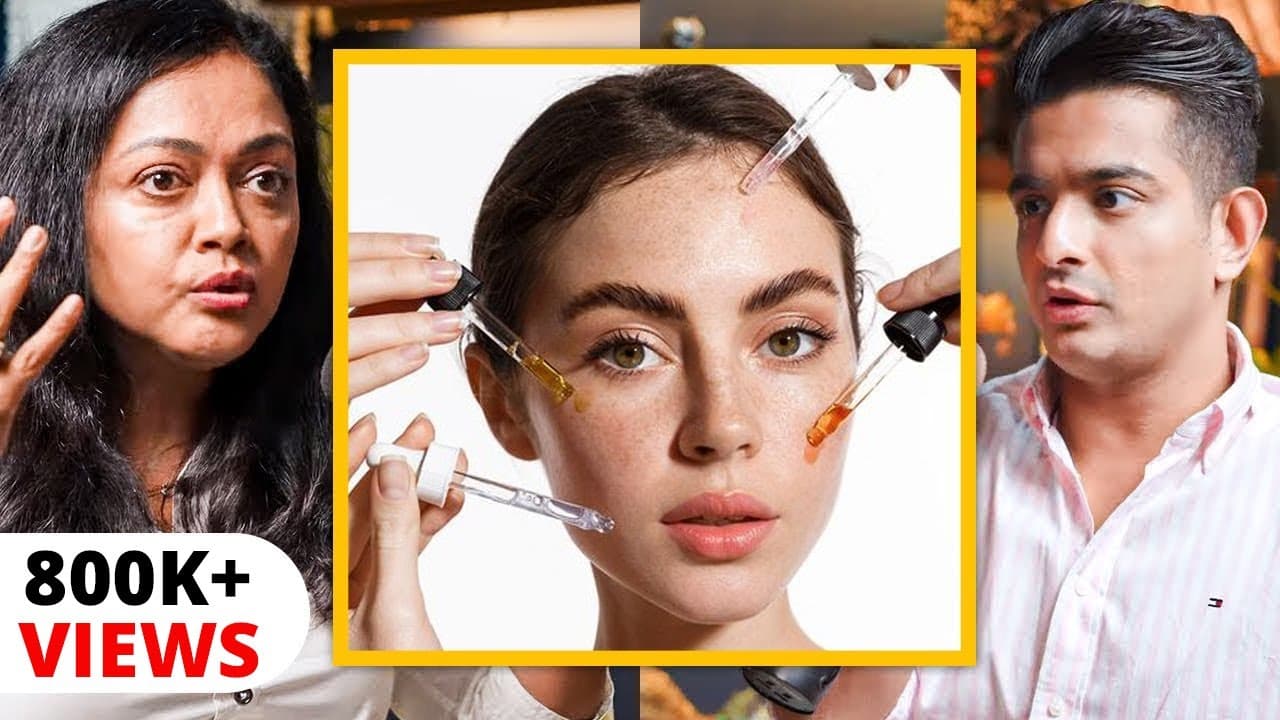
TL;DR
Retinol is popular for anti-aging but not suitable for all skin types.
Transcript
your friends are scrolling through short content but you my friend you're here to learn welcome to the Clips in that whole skincare section we were discussing we didn't touch upon retinol which has become very very popular I have heard it's for Fine Lines wrinkles and it's kind of one of the most common anti-aging things now uh I have a lot of plea... Read More
Key Insights
- 🥹 Retinol is an established anti-aging ingredient with significant research backing its efficacy.
- 🅰️ Individual skin types greatly influence the suitability of retinol; it’s particularly beneficial for oily and acne-prone skin but risky for others.
- 😎 Proper sun protection is vital when using retinol to prevent damage from UV exposure due to exfoliated skin layers.
- 🇦🇬 Alternatives to retinol, like peptides, can be effective for those with sensitive skin who seek anti-aging benefits.
- 😒 Hydration through ingredients like hyaluronic acid is essential, but care must be taken with its use on sensitive skin types.
- 😒 Long-term commitment may be needed for significant improvements in skin texture and acne scars with retinol use.
- 🅰️ Gradual introduction to potent ingredients is crucial to avoid irritation and adverse reactions in sensitive and dry skin types.
Install to Summarize YouTube Videos and Get Transcripts
Explore YouTube Video Summarizer or Get YouTube Transcript Extractor
Questions & Answers
Q: What is retinol and how does it work?
Retinol is a derivative of vitamin A that aids in skin rejuvenation through increased cell turnover. By promoting the production of healthy and repaired skin cells, it helps diminish the appearance of fine lines, giving the skin a more youthful look over time. Its mechanism involves the exfoliation of dead skin cells, which contributes to a fresher complexion.
Q: Is retinol suitable for all skin types?
No, retinol is not suitable for all skin types. It works best for thicker, oilier skin and is often recommended for individuals with acne-prone skin. However, those with thin, dry, or sensitive skin may experience irritation, therefore, alternatives like peptides might be advised for effective anti-aging without potential side effects.
Q: Can retinol help with acne?
Yes, retinol can help with acne by reducing oil gland activity and promoting cell turnover, which lowers the risk of clogged pores. This process not only minimizes active acne but can also help reduce the appearance of scars over time, though this may require prolonged use of stronger retinol products.
Q: What precautions should be taken when using retinol?
When using retinol, it’s essential to apply sunscreen daily due to increased skin sensitivity. If an individual is not committed to consistent sun protection, it's advisable to avoid retinol altogether. Additionally, one should ease into retinol use to gauge skin reactions, starting with lower concentrations, especially if they have sensitive skin.
Summary & Key Takeaways
-
Retinol is a derivative of vitamin A known for its anti-aging benefits, primarily by boosting cell turnover and improving skin texture.
-
While effective for thicker and oily skin types, retinol can irritate sensitive or dry skin, making it crucial to assess individual skin types before use.
-
Retinol not only aids in reducing fine lines but can also benefit acne-prone skin by decreasing oil production and promoting skin renewal.
Read in Other Languages (beta)
Share This Summary 📚
Summarize YouTube Videos and Get Video Transcripts with 1-Click
Try YouTube Summary with ChatGPT & Claude or YouTube Transcript Generator
Explore More Summaries from TRS Clips 📚





Summarize YouTube Videos and Get Video Transcripts with 1-Click
Try YouTube Summary with ChatGPT & Claude or YouTube Transcript Generator