How Humanity Ends (Akira, Videodrome, Tetsuo: The Iron Man) – Wisecrack Edition
TL;DR
Body horror films illustrate technology's complex relationship with humanity.
Transcript
What’s up, guys? Jared again. It would be the understatement of the century to say that technology has profoundly affected our lives. But instead of beating a dead horse talking about fake news, twitter making us angry narcissists, or instagram branding our psyches with FOMO, let’s talk about something much more fun- drill dicks! While we’re all aw... Read More
Key Insights
- 😒 Body horror often uses grotesque imagery to examine human anxieties about technology and identity.
- 🛟 Films like Akira and Videodrome serve as cultural critiques of the impacts of media on society, reflecting historical concerns about consumption.
- 🏣 Japan's post-war cinema illustrates the collision between technology and traditional values, showing how cinema serves as a mirror to societal fears.
- 🪸 The transition from oral to visual communication methods has reshaped human consciousness and societal organization, as explained by McLuhan and explored in contemporary media.
- 🤕 The hybridization of the human body with technology presents a philosophical inquiry into existence, identity, and evolution in the digital age.
- 😱 Body horror can invoke discussions about ethical boundaries regarding the merging of human and machine, pushing society to reconsider its definitions of humanity.
- 🦾 The fascination with "drill dicks" and sexualized technology in films indicates a complex relationship between desire and mechanical innovation.
Install to Summarize YouTube Videos and Get Transcripts
Explore YouTube Video Summarizer or Get YouTube Transcript Extractor
Questions & Answers
Q: What is body horror, and how does it relate to technology?
Body horror is a subgenre of horror that focuses on the physical mutilation and transformation of the human body. It often explores themes of mutation through technology, suggesting that technological advancements can lead to societal anxieties about identity and the human condition. This genre raises critical questions about how humanity copes with rapid changes brought on by technology, making it a relevant lens through which to examine modern life.
Q: How does Akira exemplify the relationship between technology and identity?
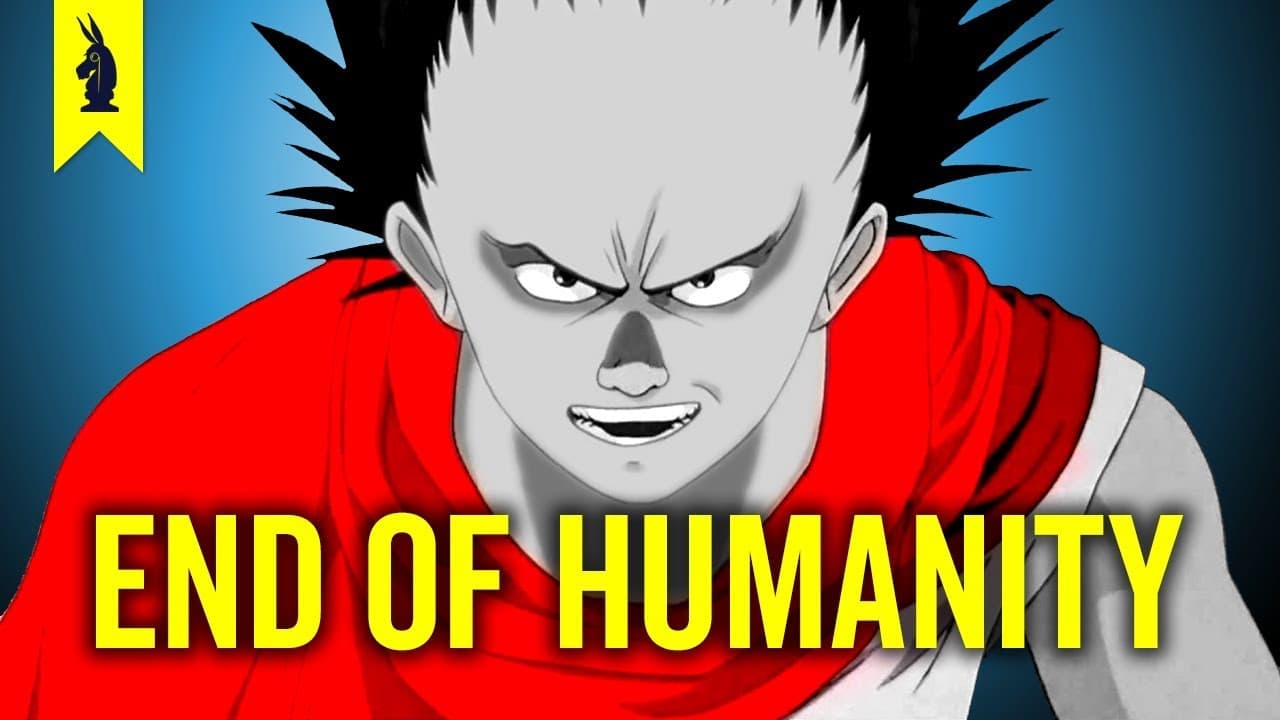
Akira, a seminal body horror film, depicts a dystopian Tokyo where technology and identity intertwine. The protagonist Tetsuo’s transformation into a hybrid of flesh and metal symbolizes Japan’s post-war industrial identity crisis. This evolution amidst chaos reflects fears of losing cultural identity due to rapid technological advancement, reinforcing the idea that our relationship with technology shapes who we are.
Q: What critique of media consumption does Videodrome present?
Videodrome critiques media consumption by portraying its protagonist, Max Ren, as increasingly desensitized by violence and sexual stimulation on television. The film suggests that habitual exposure to such content alters human perception and behavior, questioning what constitutes reality. It highlights the dangers of becoming numb to extreme stimuli, positing that media shapes our desires, identities, and ultimately our evolutionary path.
Q: How do Deleuze and Guattari’s ideas about the human body and technology manifest in Tetsuo: The Iron Man?
In Tetsuo: The Iron Man, Deleuze and Guattari’s concept of considering the body as a machine is prominent. The film depicts the protagonist’s gradual transformation into a metallic entity, merging sexual and mechanical imagery to illustrate the fluid boundaries between humanity and technology. This portrayal emphasizes the interconnectedness of desire, identity, and machine, as the film challenges traditional notions of the biological body.
Summary & Key Takeaways
-
Body horror films, such as Akira and Videodrome, highlight the mutation and violation of the human body in relation to technology, revealing societal anxieties.
-
Through analyzing key films, the content illustrates how technology influences human identity and behavior, challenging traditional notions of humanity in modern society.
-
The discussion underscores that media has always shaped societal perceptions, paralleling historical shifts in communication methods, from oral traditions to the digital age.
Read in Other Languages (beta)
Share This Summary 📚
Summarize YouTube Videos and Get Video Transcripts with 1-Click
Try YouTube Summary with ChatGPT & Claude or YouTube Transcript Generator