Hidden Meaning in The Big Lebowski – Earthling Cinema
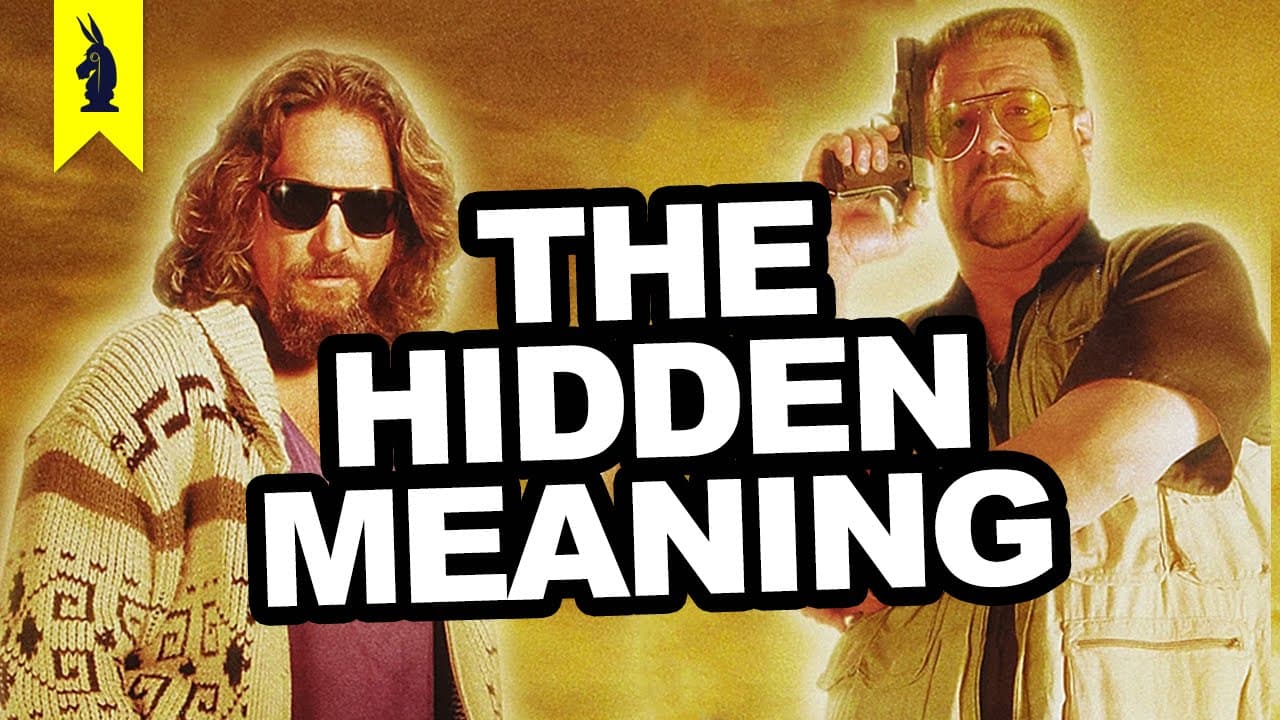
TL;DR
The Big Lebowski explores themes of relaxation and absurdity through its unique characters and narrative structure.
Transcript
Greetings, and welcome to Earthling Cinema. I am your host, Garyx Wormuloid. This week’s artifact is The Big Lebowski, written and directed by the prophets Joel and Ethan Coen, hallowed be their names. The film served as the foundational scripture for a religion called Dudeism, which was essentially just Taoism sprinkled with weed and Kahlua. It wa... Read More
Key Insights
- 🖐️ The Big Lebowski serves as a cultural artifact, promoting Dudeism, which values relaxation and a laid-back lifestyle.
- 🎥 The film critiques the concept of success, disentangling it from material wealth and social status to highlight personal fulfillment.
- 🦸 By inverting noir tropes, The Big Lebowski introduces a unique protagonist, illustrating the absurdity of traditional hero narratives.
- 💁 Characters are deeply affected by their pasts, which informs the film’s exploration of identity and personal conflict.
- 😣 The destruction of The Dude’s rug acts as a narrative device that propels both action and philosophical inquiry into personal territory.
- ❓ A satirical lens is applied to religion and morality, encouraging the audience to appreciate humor in serious topics.
- ❤️🩹 The casual depiction of death in the film invites reflection on how life’s unpredictability often overshadows its inevitable end.
Install to Summarize YouTube Videos and Get Transcripts
Explore YouTube Video Summarizer or Get YouTube Transcript Extractor
Questions & Answers
Q: What is Dudeism, and how is it portrayed in The Big Lebowski?
Dudeism is a religion that emerged from the philosophy depicted in The Big Lebowski, promoting a laid-back lifestyle akin to Taoism but flavored with humor and cannabis. The film's protagonist, “The Dude,” exemplifies this way of life by advocating a “chill” attitude towards life’s challenges, embodying the idea that relaxation and going with the flow can guide one’s existence.
Q: How does The Big Lebowski critique traditional notions of success?
The Big Lebowski presents success through the lens of its characters, particularly through the contrast between "The Dude" and the other Lebowski, who is depicted as successful yet unfulfilled. The film suggests that societal measures of achievement, such as wealth and status, are ultimately hollow, urging viewers to embrace a more authentic approach to life focused on enjoyment and simplicity.
Q: In what ways does the film reflect themes from noir cinema?
The Big Lebowski draws on classic noir elements by featuring a plot centered around crime and deception. However, it subverts the typical noir hero archetype by replacing the tough private eye with a carefree slacker, thereby creating a humorous contrast. This artistic decision adds depth to the film, allowing for exploration of serious themes within a comedic context.
Q: What role does the concept of past experiences play in the film?
Characters in The Big Lebowski are often portrayed as being trapped in their pasts, reflecting a common noir theme. The Dude represents a disconnection from societal expectations and past glories, while other characters like Walter and Donny are shaped by their previous experiences in the Vietnam War and personal losses. This focus on the past illustrates the futility of clinging to former identities and ideals.
Q: What is the significance of the rug in the story?
The rug symbolizes personal space and comfort for "The Dude." Its destruction propels the plot and serves as a catalyst for the unfolding chaos in his otherwise tranquil life. The fixation on the rug humorously elevates a mundane object to a level of significance, showcasing how personal attachments can lead to broader conflicts within life’s absurdities.
Q: How does the film treat themes of religion and morality?
The Big Lebowski offers a satirical take on religion and moral codes, particularly through its characters. The juxtaposition of the Dude's relaxed philosophy against Walter's faux-religious fervor highlights the absurdity of rigid moral structures. This portrayal encourages viewers to question established beliefs and consider alternative perspectives on ethics and spirituality.
Q: What comment does the film make about death and its depiction?
Death in The Big Lebowski is portrayed with both humor and disdain, exemplified by Donny’s casual demise and Walter's incongruous eulogy. This portrayal suggests that death, while significant, is also treated as an absurd part of life. The film invites audiences to reflect on how life's inherent silliness often overshadows death’s seriousness.
Q: How does The Big Lebowski address the notion of chaos in life?
The film embraces chaos as an integral aspect of life, presenting various characters and situations that embody unpredictability. The Dude’s consistent response to life’s absurdities is to relax and abide, pushing viewers to adopt a similar approach. The chaotic events reinforce the idea that trying to impose order on life may be futile, and acceptance can lead to greater peace.
Summary & Key Takeaways
-
The Big Lebowski serves as both a comedic film and a philosophical exploration, leading to the creation of Dudeism, where relaxation and going with the flow are paramount.
-
The main character, Jeffrey Lebowski, also known as "The Dude," embodies a laid-back approach to life and challenges traditional notions of success and achievement.
-
The film's parody of noir elements highlights how characters are trapped in their pasts while presenting a stark contrast to typical narratives by offering no real resolution or growth.
Read in Other Languages (beta)
Share This Summary 📚
Summarize YouTube Videos and Get Video Transcripts with 1-Click
Try YouTube Summary with ChatGPT & Claude or YouTube Transcript Generator