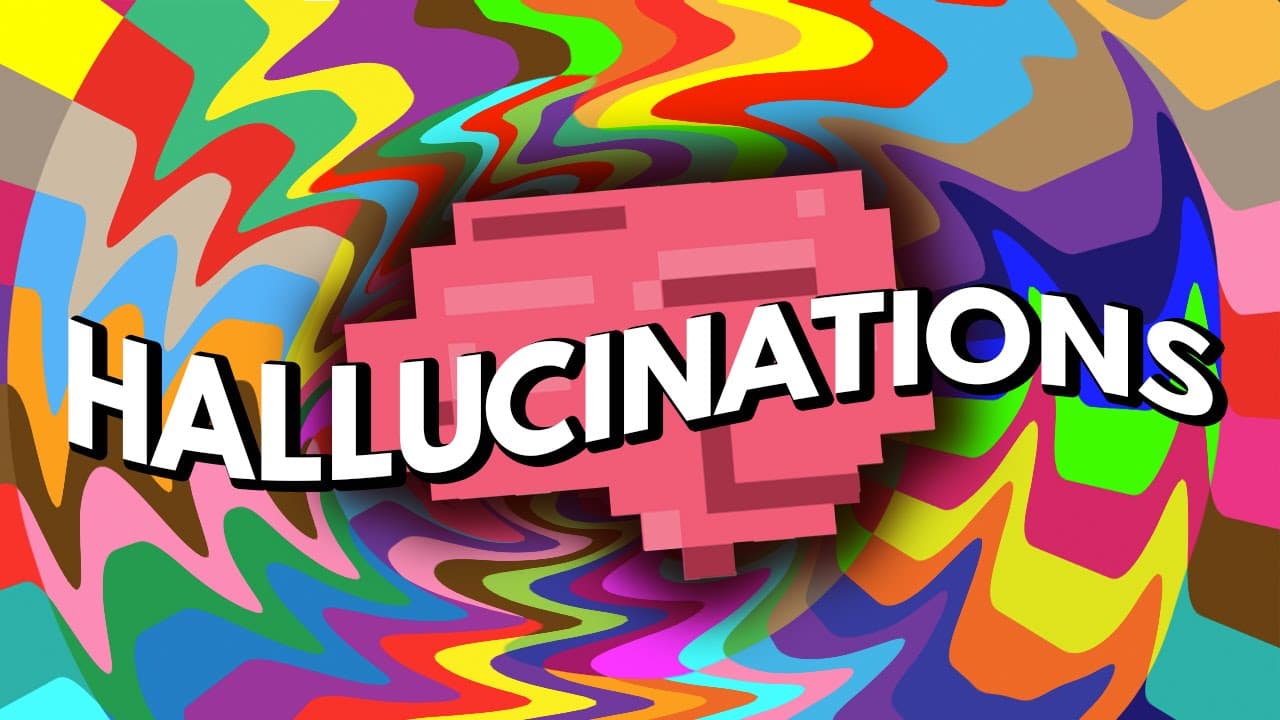
The Science Of Hallucinations
TL;DR
The brain's intricate structure can lead to hallucinations, from sensory skips to chemical imbalances.
Transcript
Hey there, welcome to Life Noggin. Between your ears you have an amazing piece of hardware. The human brain is the most complex structure ever found, at least according to human brains. There’s over a hundred billion neurons stuffed in there, with trillions of criss-crossing connections. Even our best efforts to recreate it electronically can only ... Read More
Key Insights
- 🥺 The brain's complexity with billions of neurons and trillions of connections can lead to various cognitive experiences, including hallucinations.
- 😒 Hallucinations can be caused by sensory skips, brain malfunctions, chemical imbalances, or external factors like drug use.
- 🧠 Conditions like schizophrenia and epilepsy can contribute to hallucinations, altering how the brain processes information.
- 🥰 Hallucinations can manifest in different forms, from hearing voices to seeing distorted visuals like faces with exaggerated features.
- 😪 Temporary factors like sleep deprivation, hunger, or emotional distress can trigger hallucinations, showcasing the brain's susceptibility to external influences.
- 😨 Hallucinations can affect everyday life by distorting perceptions, causing fear, and interfering with normal functioning.
- 🤑 Grieving individuals may have hallucinations of deceased loved ones, illustrating the emotional impact on cognitive processes.
Install to Summarize YouTube Videos and Get Transcripts
Explore YouTube Video Summarizer or Get YouTube Transcript Extractor
Questions & Answers
Q: Why do hallucinations occur?
Hallucinations can occur due to various factors like sensory skips, brain malfunctions, chemical imbalances, or even drug use. They can be a result of conditions like schizophrenia or epilepsy, affecting how the brain processes information.
Q: What are some common types of hallucinations?
Common types of hallucinations include hearing voices, seeing faces with distorted features, experiencing Alice in Wonderland Syndrome, or witnessing vivid scenes that aren't actually there. These experiences can be unsettling and often associated with underlying brain issues.
Q: Can hallucinations be temporary?
Hallucinations can be temporary and may be triggered by factors like lack of sleep, hunger, fever, or emotional distress. In some cases, grieving individuals may have hallucinations of their lost loved ones, showcasing how emotions can influence perception.
Q: How can hallucinations impact everyday life?
Hallucinations can significantly impact everyday life, leading to confusion, fear, and altered perceptions of reality. They can interfere with daily activities, relationships, and overall well-being, highlighting the importance of understanding and addressing their underlying causes.
Summary & Key Takeaways
-
The human brain is a complex structure with over a hundred billion neurons and trillions of connections.
-
Hallucinations can occur due to sensory skips or brain malfunctions, leading to experiences like hearing voices or seeing things that aren't there.
-
Factors such as schizophrenia, seizures, and even drug use can also contribute to hallucinations.
Read in Other Languages (beta)
Share This Summary 📚
Summarize YouTube Videos and Get Video Transcripts with 1-Click
Try YouTube Summary with ChatGPT & Claude or YouTube Transcript Generator
Explore More Summaries from Life Noggin 📚





Summarize YouTube Videos and Get Video Transcripts with 1-Click
Try YouTube Summary with ChatGPT & Claude or YouTube Transcript Generator