Ranveer Allahbadia EXPOSES BeerBiceps ft. Dr. Sid Warrier | Hustle Culture | TRS Clips 987
TL;DR
Excessive information complicates understanding mental fitness versus toxic positivity in today's society.
Transcript
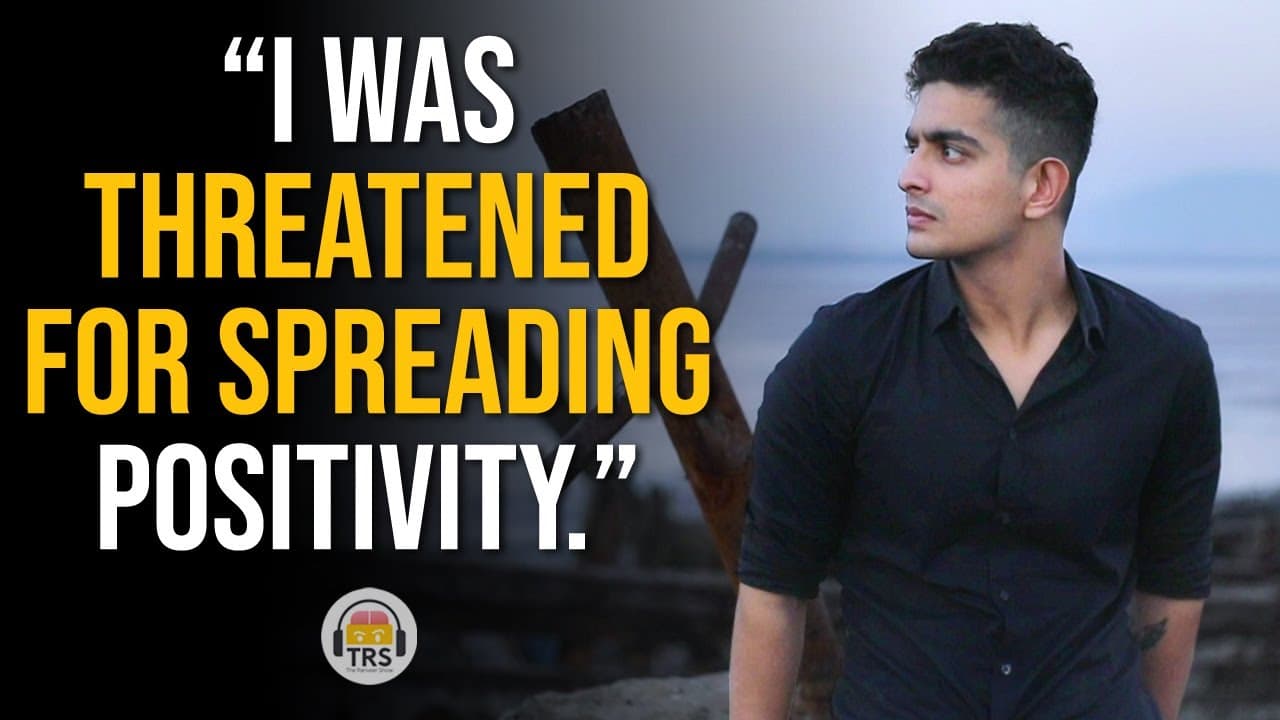
raj shamani and myself around the beginning of this year we were creating motivational reels on instagram and we were getting heavily criticized after point key how dare you spread toxic positivity how dare you spread hustle culture you know what i i don't think information is the problem anymore i think it is about developing the state of mind whe... Read More
Key Insights
- 💁 The availability of excessive information complicates individuals' ability to discern valuable mental health practices.
- ❓ Both entrepreneurial endeavors and emotional sensitivity characterize today's youth, depicting a complex generational landscape.
- 🧑⚕️ Mental health discussions must integrate perspectives beyond the surface, including both psychological and neurological frameworks.
- ⚖️ A balance of empathy and discipline can provide a healthy environment for personal development and mutual understanding.
- 🧑⚕️ The influence of social media significantly shapes the discourse surrounding mental health and motivation, for better or worse.
- 📣 Generational gaps in understanding humor and sensitivity reflect broader cultural shifts affecting interpersonal communication.
- 💱 The evolution of threats to mental well-being reflects historical and societal changes in how individuals process their environment.
Install to Summarize YouTube Videos and Get Transcripts
Explore YouTube Video Summarizer or Get YouTube Transcript Extractor
Questions & Answers
Q: What are the main critiques around hustle culture and toxic positivity presented in the content?
The critiques of hustle culture and toxic positivity focus on their potential to dismiss real mental health challenges while promoting an unrealistic expectation of constant productivity. Critics argue that this mindset overlooks the importance of acknowledging feelings and struggles, especially for younger audiences who grapple with anxiety and societal pressures.
Q: How does the speaker differentiate between "hardware" and "software" in the context of mental health?
The speaker distinguishes "hardware" as the foundational mental toughness and resilience that equips individuals to face challenges, while "software" refers to the skills and knowledge related to emotional well-being and psychological health. Balancing both elements is crucial; one provides protection while the other educates and improves overall mental fitness.
Q: What generational differences are discussed regarding sensitivity and emotional reactions?
The speaker identifies two distinct types of youth today: those who are highly motivated and self-improvement oriented versus those who exhibit apathy. While sensitivity has increased and can foster empathy, it also raises concerns about over-reaction and the implications of “cancel culture,” where nuanced discourse is often sacrificed for immediate emotional responses.
Q: What role does free speech play in the discussion of cancel culture according to the speaker?
The speaker argues that free speech is essential for healthy communication and cultural evolution. Censorship, particularly in artistic expressions, stifles creativity and leads to societal stagnation. Open dialogue is necessary to navigate differing perspectives, especially from younger generations who often engage in cancel culture.
Q: How does the speaker suggest addressing the challenge of finding a balance between empathy and discipline?
The speaker emphasizes the need to cultivate both empathy and discipline, suggesting that while empathy has become more prominent in recent times, traditional discipline must not be sacrificed. A balanced approach can help navigate the complexities of emotions and responsibilities, empowering individuals to act and feel appropriately.
Q: In what ways does the speaker recommend evolving teenage perspectives on mental health?
The speaker urges adolescents to recognize the transitional nature of their own thoughts and feelings, emphasizing that perspectives will shift as they mature. It is vital to foster a comprehensive understanding of mental health that incorporates both emotional intelligence and resilience skills, preparing them for various societal challenges.
Q: What insights does the speaker offer about the historical context of teenage anxiety?
The speaker notes that teenage anxiety has evolved significantly, suggesting that recent societal openness is a counter-reaction to historical dismissals of such issues. By framing the discussion within a historical context, it illustrates how societal understanding progresses and highlights the importance of addressing mental health with nuance.
Summary & Key Takeaways
-
The rise of social media has led to increased criticism of motivational content, arguing it perpetuates toxic positivity and hustle culture without addressing mental health adequately.
-
The importance of balancing "hardware" (mental toughness) and "software" (mental health awareness) for effective resilience is emphasized, particularly for younger generations navigating life’s complexities.
-
The evolution of societal empathy versus discipline is discussed, highlighting how different generations cope with emotional sensitivity, often resulting in misunderstandings and generational conflict.
Read in Other Languages (beta)
Share This Summary 📚
Summarize YouTube Videos and Get Video Transcripts with 1-Click
Try YouTube Summary with ChatGPT & Claude or YouTube Transcript Generator
Explore More Summaries from TRS Clips 📚




Summarize YouTube Videos and Get Video Transcripts with 1-Click
Try YouTube Summary with ChatGPT & Claude or YouTube Transcript Generator