17 Nightmarish Xenomorph Breeds From Alien Films - Explored In Detail
TL;DR
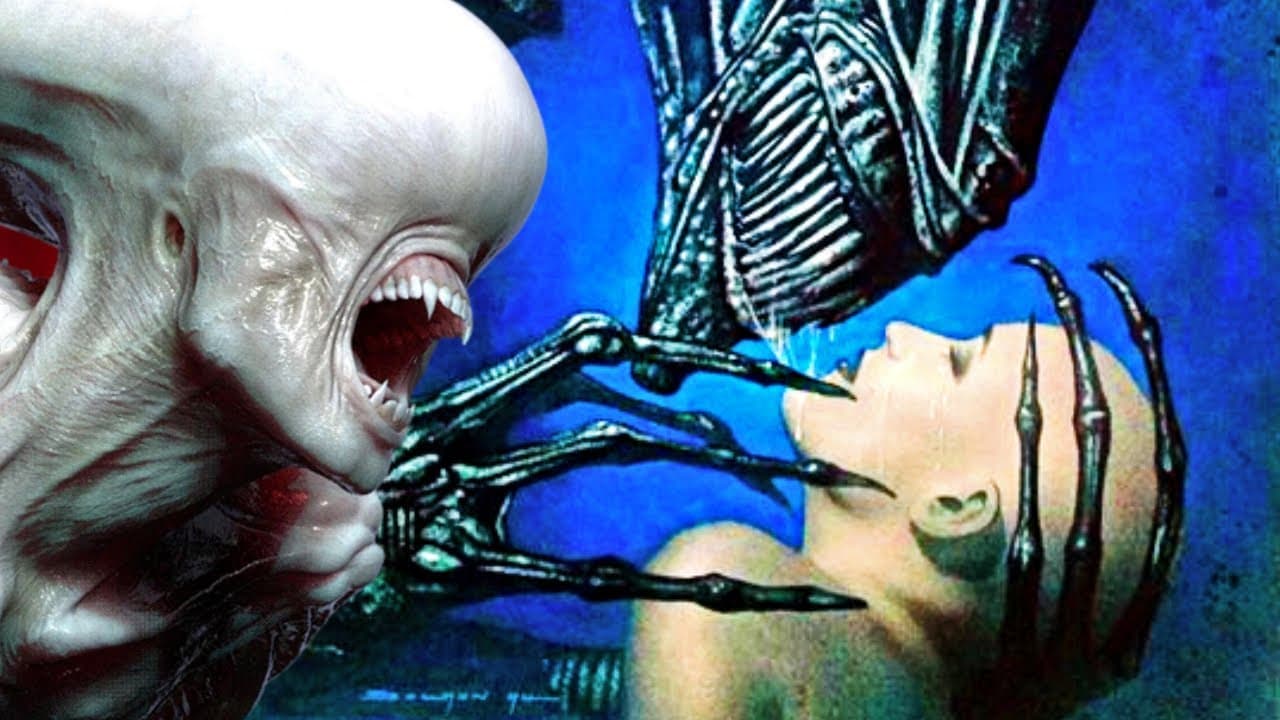
This content explores 17 xenomorph variants featured in the Alien movie franchise.
Transcript
seventeen different variants of xenomorphs that appeared in alien movies explained in detail what's the first thing that comes to your mind when one talks about sir ridley scott's 1979 sci-fi horror flick alien no points for guessing it's the xenomorph and there's no denying that these endoparasitoid extraterrestrial species might just be the most ... Read More
Key Insights
- 😱 HR Giger's design has been fundamental to the iconic status of xenomorphs, marrying horror with unique visual aesthetics.
- 😱 Each xenomorph variant evolves the franchise's lore and deepens the complexity of the xenomorph lifecycle, showcasing adaptability and horror.
- 👽 The alien queen's introduction significantly shifted the focus of the narrative toward themes of motherhood and predation within the xenomorph hierarchy.
- 😨 Facehuggers serve a crucial role in establishing the terror of parasitism, exemplifying fear through bodily invasion and loss of autonomy.
- 👽 Smart aliens from "Alien Resurrection" reflect advanced problem-solving skills, suggesting a level of intelligence that intensifies their threat to humans.
- 😱 The neomorph variant introduces new horror elements, emphasizing rapid growth and aggressive behaviors, enhancing the franchise's legacy of fear.
- 👾 The dog alien's speed and agility contribute significantly to the thriller aspects of "Alien 3," revitalizing the sense of terror in confined spaces.
Install to Summarize YouTube Videos and Get Transcripts
Explore YouTube Video Summarizer or Get YouTube Transcript Extractor
Questions & Answers
Q: What is the significance of HR Giger's design for the xenomorphs in the Alien franchise?
HR Giger's design is crucial as he created the original xenomorph's look, which combined biomechanical elements with nightmarish features, giving the creature a unique and unsettling presence. His vision contributed to the xenomorphs becoming iconic figures in cinematic history, symbolizing horror and extraterrestrial terror.
Q: How did the introduction of the alien queen change the dynamics of the xenomorph species?
The alien queen introduced in "Aliens" serves as the primary reproductive entity, dramatically altering the xenomorph life cycle. By laying eggs and being immensely protective of her hive, she shifted xenomorphs from solitary hunters to a more complex, hive-oriented species, enhancing their threat level.
Q: What role do facehuggers play in the xenomorph life cycle?
Facehuggers play an essential role in the xenomorph reproductive cycle by attaching to a host's face and implanting an embryo. This parasitic phase ensures the embryo's survival until it bursts from the host, facilitating the continuation of the xenomorph species and adding a gruesome element to the narrative.
Q: Can you explain the concept behind the smart aliens from "Alien Resurrection"?
The smart aliens are a genetically modified strain of xenomorphs developed from Ellen Ripley’s DNA, giving them unique traits and superior intelligence. They exhibit problem-solving skills, which make them highly dangerous and capable of strategic actions, such as escaping containment by manipulating their environment.
Q: What distinguishes the neomorph from traditional xenomorphs?
Neomorphs, introduced in "Alien: Covenant," differ significantly from traditional xenomorphs in their life cycle and attributes. They rupture from their hosts in a violent manner and lack the distinctive extendable inner jaw, showcasing a more agile and fast-growing design that enhances their predator capabilities.
Q: How did the dog alien variant influence the horror aspects of "Alien 3"?
The introduction of the dog alien in "Alien 3" diversified the fear factor by demonstrating how xenomorphs can adapt to different hosts, resulting in a creature with increased speed and agility. This variant’s unique traits added tension and unpredictability to the film's horror, emphasizing survival instincts.
Q: What is the function of the trilobite in the xenomorph life cycle?
The trilobite serves as an advanced version of the facehugger, created from a human host, and is responsible for rapidly growing within a host to implant embryos. Its massive size and powerful tentacles allow it to effectively overpower hosts, emphasizing the terror of the xenomorph reproductive process.
Q: How do hybrids like the predalien enhance the themes of fear in the Alien franchise?
Hybrids such as the predalien amplify fear by merging traits from different species, showcasing terrifying new capabilities. This blurring of boundaries raises the stakes, presenting a hybrid menace that embodies the worst features of both predator and prey, reinforcing the series’ themes of survival and existential dread.
Summary & Key Takeaways
-
The analysis delves into the iconic xenomorphs from Ridley Scott's 1979 film "Alien," highlighting their terrifying designs and characteristics created by HR Giger.
-
Each variant discussed has unique attributes ranging from the terrifying facehuggers to the massive queen xenomorph, showcasing their evolution throughout the franchise.
-
The video concludes with a look at several distinct xenomorph hybrids and the innovation of their portrayal across different Alien installments.
Read in Other Languages (beta)
Share This Summary 📚
Summarize YouTube Videos and Get Video Transcripts with 1-Click
Try YouTube Summary with ChatGPT & Claude or YouTube Transcript Generator
Explore More Summaries from Marvelous Videos 📚






Summarize YouTube Videos and Get Video Transcripts with 1-Click
Try YouTube Summary with ChatGPT & Claude or YouTube Transcript Generator