A Deadly Migration | National Geographic
TL;DR
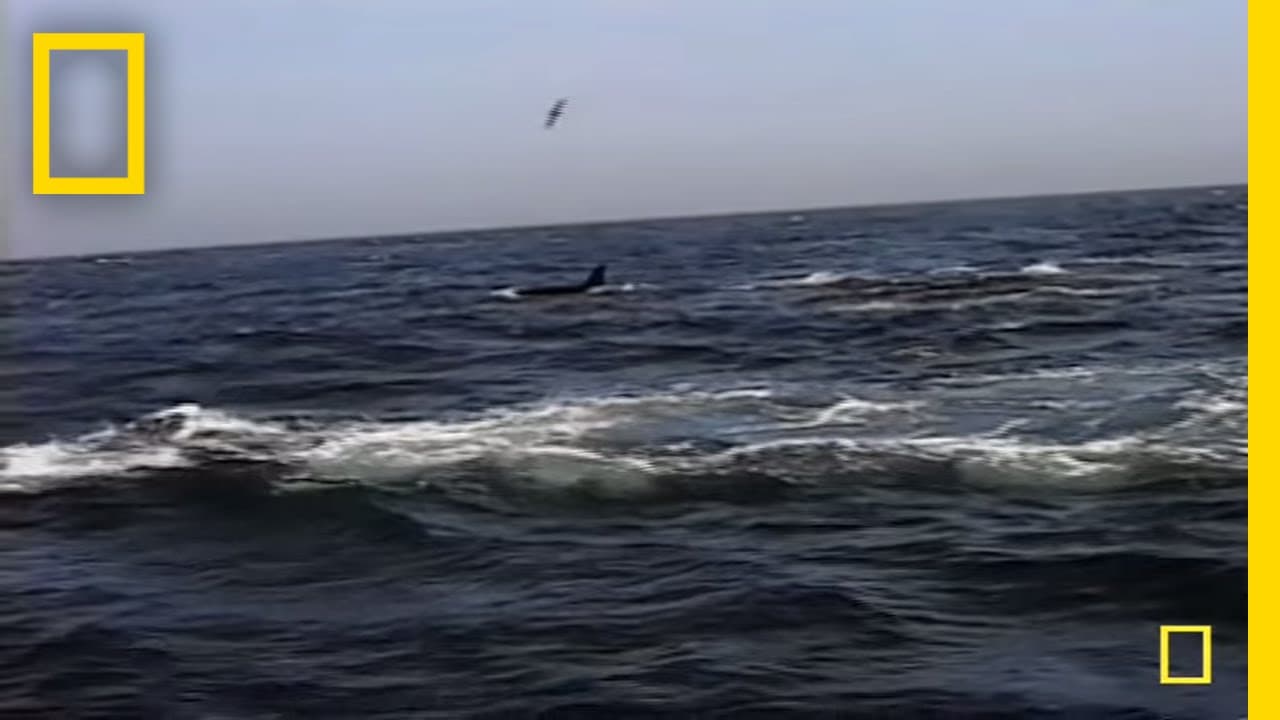
Killer whales prey on migrating gray whales in Monterey Bay but are ultimately unsuccessful.
Transcript
this is the season of the gray whale California gray whales make one of the longest migrations on the planet often traveling up to 6,000 M between Mexico and the Arctic the first wave is made up of adults more than 30 tons of seagoing force killer whales have been known to attack these leviathans but they do so very rarely it's the next wave they'r... Read More
Key Insights
- 👊 Gray whales undergo a perilous migration facing killer whale attacks in Monterey Bay.
- 🐳 Killer whales primarily target gray whale calves due to their vulnerability.
- 👊 Mother gray whales exhibit protective behaviors to defend their calves during an attack.
- 🐳 Monterey Bay's geography poses challenges for gray whales, making them vulnerable to killer whale attacks.
- 🐳 Killer whales employ strategic tactics such as ramming and pushing to separate gray whale calves from their mothers.
- 🖐️ The resilience and protective nature of mother gray whales play a crucial role in avoiding predation.
- 🦕 Killer whales' hunting strategies showcase their intelligence and cooperation as a pod.
Install to Summarize YouTube Videos and Get Transcripts
Explore YouTube Video Summarizer or Get YouTube Transcript Extractor
Questions & Answers
Q: Why do killer whales target gray whale calves during their migration?
Killer whales target gray whale calves because they are more vulnerable and easier to separate from their mothers, making them easier prey during the migration.
Q: How do gray whale mothers protect their calves from killer whale attacks?
Gray whale mothers protect their calves by engaging in defensive behaviors such as rolling and staying close to their calves, preventing killer whales from separating them.
Q: What makes Monterey Bay a hotspot for killer whale attacks on gray whales?
Monterey Bay's underwater chasm and open water create a challenging passage for gray whales, making them more susceptible to killer whale attacks in this area.
Q: How do killer whales try to separate gray whale calves from their mothers during an attack?
Killer whales use strategic maneuvers, including ramming and pushing the calves below the surface to prevent them from breathing, in an attempt to separate them from their mothers.
Summary & Key Takeaways
-
California gray whales undergo a long migration, facing killer whale attacks along the way.
-
Killer whales primarily target gray whale calves, separating them from their mothers in Monterey Bay.
-
Despite a fierce attack, the mother gray whale successfully protects her calf, and both escape from the killer whales.
Read in Other Languages (beta)
Share This Summary 📚
Summarize YouTube Videos and Get Video Transcripts with 1-Click
Try YouTube Summary with ChatGPT & Claude or YouTube Transcript Generator
Explore More Summaries from National Geographic 📚




Summarize YouTube Videos and Get Video Transcripts with 1-Click
Try YouTube Summary with ChatGPT & Claude or YouTube Transcript Generator