Policy vs Inflation: Debunking Common Misunderstandings
TL;DR
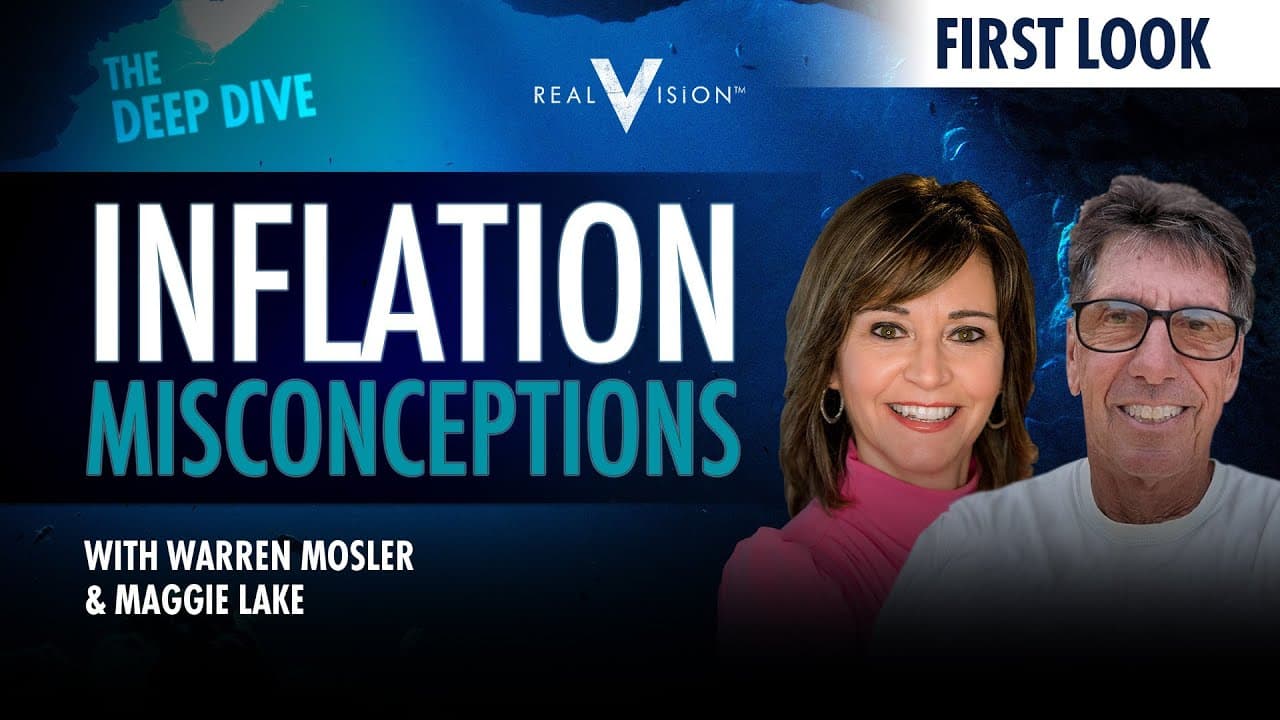
Modern Monetary Theory (MMT) suggests that governments can spend as much as they want and can cause inflation, but inflation is not a continuous runaway process. The government plays a crucial role in setting prices and has the power to control inflation.
Transcript
hit the debt ceiling something very Dynamic happens yes you can now make a payment because it would tax revenue hasn't come in and so you don't have it so you're not allowed to increase the debt so you can't make a payment but a lot if not most of the government's revenue is based on transactions like income taxes and that type of thing so if the g... Read More
Key Insights
- 💩 Hitting the debt ceiling can result in a rapid decrease in government spending and a potential collapse of GDP.
- 😀 Modern Monetary Theory (MMT) explains the government's ability to spend without facing solvency issues and its role in determining the price level.
- 🎮 Inflation is a result of one-time events rather than a continuous process, and the government plays a significant role in setting prices and controlling inflation.
- ☠️ Politicians often prioritize lower inflation rates over higher ones, even if it means higher unemployment.
- 🎯 The definition and target of inflation are often vague, making it challenging to propose specific measures to address it.
- 👻 The government's role as the monopoly supplier of the currency allows it to control the price level through its policies.
Install to Summarize YouTube Videos and Get Transcripts
Explore YouTube Video Summarizer or Get YouTube Transcript Extractor
Questions & Answers
Q: How does hitting the debt ceiling affect government spending and revenues?
When the government hits the debt ceiling, it cannot increase its debt, which means it cannot make payments. This leads to an immediate reduction in revenues, causing a decrease in government spending and potential collapse of GDP.
Q: What does Modern Monetary Theory (MMT) suggest about government spending and inflation?
MMT suggests that the government can spend as much as it wants and can cause inflation. However, inflation is not a continuous process and is a result of one-time events. The government plays a crucial role in setting prices and can control inflation through its policies.
Q: How does the government determine the price level?
The government, as the monopoly supplier of the currency, sets the terms of exchange at the point of spending. Its role in determining the price level is vital, as it controls the source of the currency needed to pay taxes. The price level is a reflection of this government-imposed exchange rate.
Q: Should the government be concerned about inflation and take measures to address it?
The concern about inflation is subjective and dependent on political decisions. Economic studies have not shown that levels of inflation negatively impact the real wealth or economic growth of a country. However, inflation can have political consequences, and people generally prefer lower inflation rates over higher ones.
Summary & Key Takeaways
-
When the government hits the debt ceiling, it leads to a rapid reduction in government revenues, which results in a decrease in spending and a potential collapse of GDP.
-
Modern Monetary Theory (MMT) is a framework that explains the government's ability to spend without facing solvency issues and its role in determining the price level.
-
Inflation is a result of one-time events and is influenced by government policies, external events, and supply constraints.
Read in Other Languages (beta)
Share This Summary 📚
Summarize YouTube Videos and Get Video Transcripts with 1-Click
Try YouTube Summary with ChatGPT & Claude or YouTube Transcript Generator
Explore More Summaries from Real Vision 📚


Summarize YouTube Videos and Get Video Transcripts with 1-Click
Try YouTube Summary with ChatGPT & Claude or YouTube Transcript Generator