Holding Global Corporations Accountable
TL;DR
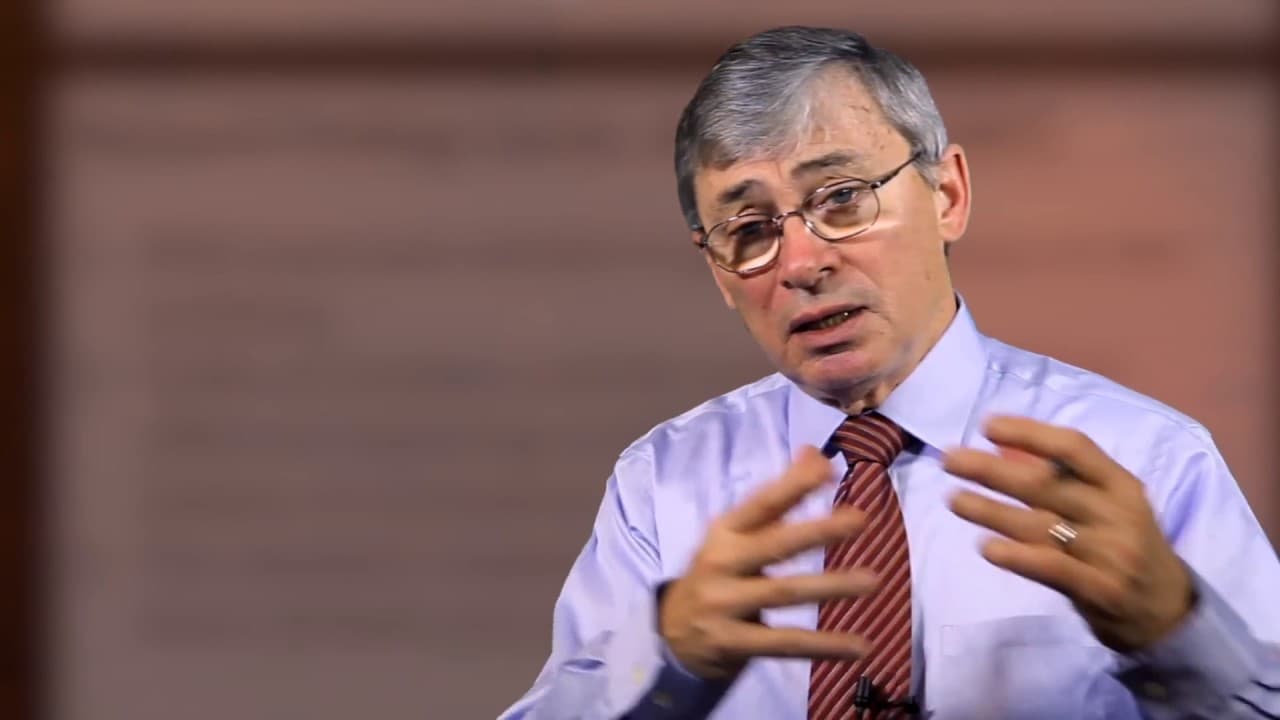
Nike faced public backlash for labor violations but took steps to improve working conditions and create a just supply chain.
Transcript
We all know that we are in a global world. Companies have operations all over the planet. And a big question we have to face is how do we keep these global corporations accountable for providing good jobs and decent work in far flung places? Let's do it through a company we all know and love-- Nike. Nike was a pioneer in this area. In the 1960s, Ni... Read More
Key Insights
- 💗 Nike initially denied responsibility for labor violations but eventually acknowledged the need for change due to falling stock prices and growing publicity.
- 👨💻 They took actions such as creating a social responsibility unit, establishing codes of conduct, and collaborating with NGOs to improve conditions.
- 💦 Transparency, pressure from NGOs, and audit data sharing were instrumental in driving improvements in working conditions.
- 💪 Suppliers that experienced progress had management help, operated in countries with stronger regulations, and committed to just supply chain practices.
- 🧚 Apple can learn from Nike's experiences by taking responsibility for their contractors' working conditions and implementing measures to ensure fair and safe practices.
Install to Summarize YouTube Videos and Get Transcripts
Explore YouTube Video Summarizer or Get YouTube Transcript Extractor
Questions & Answers
Q: How did Nike initially respond to the labor violations in their factories?
Nike initially claimed that the labor violations were the responsibility of their contractors and not their employees. They denied accountability.
Q: What actions did Nike take to address the labor issues in their supply chain?
Nike created a social responsibility unit, introduced codes of conduct, and implemented auditing processes to measure compliance with these standards.
Q: What were the key findings of the MIT project on Nike's efforts?
The project found that NGO pressure played a significant role in motivating Nike and other companies to address labor issues. Codes of conduct and audits were partially successful but had room for improvement, particularly in working hours and overtime regulations.
Q: How can individuals hold companies accountable for their global operations?
Consumers can support organizations like United Students Against Sweatshops, pressure universities to only purchase from companies with fair supply chain practices, and be willing to pay more for products made under just working conditions.
Summary & Key Takeaways
-
Nike's global operations led to labor issues, including child labor and unsafe working conditions in factories abroad.
-
In response to criticism, Nike established a social responsibility unit, implemented codes of conduct, and sent auditors to ensure compliance.
-
Collaboration with NGOs, sharing audit data, and engaging in research helped Nike improve working conditions and transparency.
Read in Other Languages (beta)
Share This Summary 📚
Summarize YouTube Videos and Get Video Transcripts with 1-Click
Try YouTube Summary with ChatGPT & Claude or YouTube Transcript Generator
Explore More Summaries from MIT OpenCourseWare 📚


Summarize YouTube Videos and Get Video Transcripts with 1-Click
Try YouTube Summary with ChatGPT & Claude or YouTube Transcript Generator