Net neutrality by Jerry Brito
TL;DR
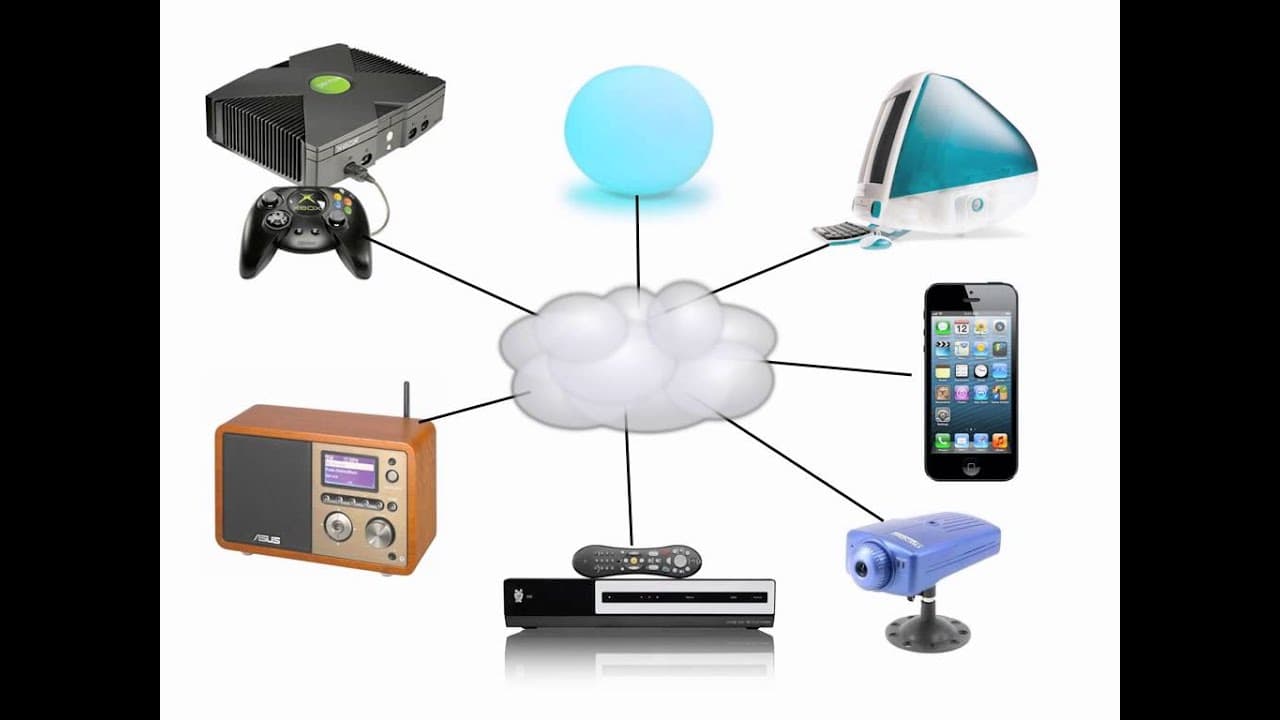
Net neutrality is explained as an engineering principle called the end-to-end principle.
Transcript
hi I'm Jerry Breo a senior research fellow at the Merada Center at George Mason University in this video I am going to talk to you about net neutrality as an engineering principle in a following video Adam theer will explain some of the economic and Regulatory issues surrounding net neutrality net neutrality is a vague concept and different people ... Read More
Key Insights
- Net neutrality is often defined differently by various people, but it has a clear engineering principle known as the end-to-end principle.
- The end-to-end principle is a technical concept that emphasizes the distribution of network intelligence to the edges rather than the center.
- The internet's origins can be traced back to the ARPANET, a research network created by the Defense Department's Advanced Research Projects Agency in 1969.
- In 1969, communication networks like telephone and cable networks were centralized and specialized, meaning their intelligence was located centrally at the company's premises.
- Centralized networks have computational capacity concentrated at the center, which contrasts with the decentralized nature of the internet.
- Understanding the technical foundation of net neutrality is crucial for grasping the broader debate surrounding its economic and regulatory implications.
- The video aims to clarify the technical aspects of net neutrality before delving into its economic and regulatory issues in a subsequent discussion.
- Net neutrality as an engineering principle ensures that the network operates without favoring any particular data type or source.
Install to Summarize YouTube Videos and Get Transcripts
Explore YouTube Video Summarizer or Get YouTube Transcript Extractor
Questions & Answers
Q: What is the end-to-end principle in the context of net neutrality?
The end-to-end principle is a technical concept central to net neutrality, which advocates for the distribution of network intelligence to the edges of the network rather than centralizing it. This principle ensures that the network operates without favoring any particular data type or source, maintaining a neutral stance in data handling.
Q: How did the internet originate according to the video?
The internet originated from the ARPANET, a research network created by the Defense Department's Advanced Research Projects Agency in 1969. This network laid the groundwork for the modern internet, contrasting with the centralized communication networks of the time, such as telephone and cable networks, which concentrated intelligence at a central location.
Q: How were communication networks structured in 1969?
In 1969, communication networks like telephone and cable networks were centralized and specialized. This meant that the intelligence and computational capacity of these networks were concentrated at a central location, such as the company's premises, which is different from the decentralized nature of the internet that distributes intelligence across the network.
Q: Why is it important to understand the technical foundation of net neutrality?
Understanding the technical foundation of net neutrality is crucial because it provides clarity on what net neutrality fundamentally entails. This understanding is essential for engaging in the broader debate on its economic and regulatory implications, as it establishes a baseline for discussing how networks should operate without bias or favoritism toward any data type or source.
Q: What does the video aim to achieve regarding net neutrality?
The video aims to explain the technical aspects of net neutrality through the lens of the end-to-end principle. By doing so, it sets the stage for a subsequent discussion on the economic and regulatory issues surrounding net neutrality, providing viewers with a comprehensive understanding of the topic from both a technical and policy perspective.
Q: How does the end-to-end principle contrast with centralized networks?
The end-to-end principle contrasts with centralized networks by advocating for the distribution of network intelligence to the edges rather than centralizing it. Centralized networks, like those of telephone and cable companies, concentrate computational capacity at a central location, whereas the end-to-end principle supports a decentralized model that maintains network neutrality.
Q: What role did the Defense Department's Advanced Research Projects Agency play in the internet's development?
The Defense Department's Advanced Research Projects Agency played a crucial role in the internet's development by creating ARPANET, the precursor to the modern internet, in 1969. This research network laid the foundation for the internet's decentralized structure, which contrasts with the centralized communication networks of the time, setting the stage for the development of net neutrality principles.
Q: What is the significance of the end-to-end principle for net neutrality?
The significance of the end-to-end principle for net neutrality lies in its advocacy for a decentralized network structure that treats all data equally. This principle forms the technical basis for net neutrality, ensuring that networks do not favor any particular data type or source, thereby maintaining an unbiased and neutral stance in data handling.
Summary & Key Takeaways
-
Net neutrality, often misunderstood, has a clear engineering basis known as the end-to-end principle, which decentralizes network intelligence. This video by Jerry Brito explains this technical aspect, setting the stage for a deeper discussion on its economic and regulatory implications in a subsequent video by Adam Theer.
-
The internet originated from ARPANET, a 1969 research network by the Defense Department's Advanced Research Projects Agency. Unlike centralized communication networks of the time, such as telephone and cable networks, the internet operates on a decentralized model, distributing computational capacity to the network's edges.
-
Understanding the technical foundation of net neutrality is critical for engaging in the broader debate on its economic and regulatory aspects. This video focuses on explaining the end-to-end principle, a core engineering concept, to provide clarity on what net neutrality fundamentally entails.
Read in Other Languages (beta)
Share This Summary 📚
Summarize YouTube Videos and Get Video Transcripts with 1-Click
Try YouTube Summary with ChatGPT & Claude or YouTube Transcript Generator
Explore More Summaries from Marginal Revolution University 📚


Summarize YouTube Videos and Get Video Transcripts with 1-Click
Try YouTube Summary with ChatGPT & Claude or YouTube Transcript Generator