4 Science Superlatives of 2014
TL;DR
In 2014, significant events included the discovery of an Earth-sized exoplanet, record-breaking CO2 emissions, and the deepest diving mammal.
Transcript
I don't know about you but to me 2014 had a lot of ups and downs and I'm not just talking about Brazil at the World Cup or the price of oil ups for instance included the amount of carbon dioxide measured in the atmosphere this year as well as global temperatures among the downs and elusive whale that set a new deep diving record these were just som... Read More
Key Insights
- 🌍 Kepler 186f is the first rocky, Earth-sized exoplanet discovered outside our solar system.
- ✋ Carbon dioxide emissions reached a record high in 2014, contributing to global temperature increase.
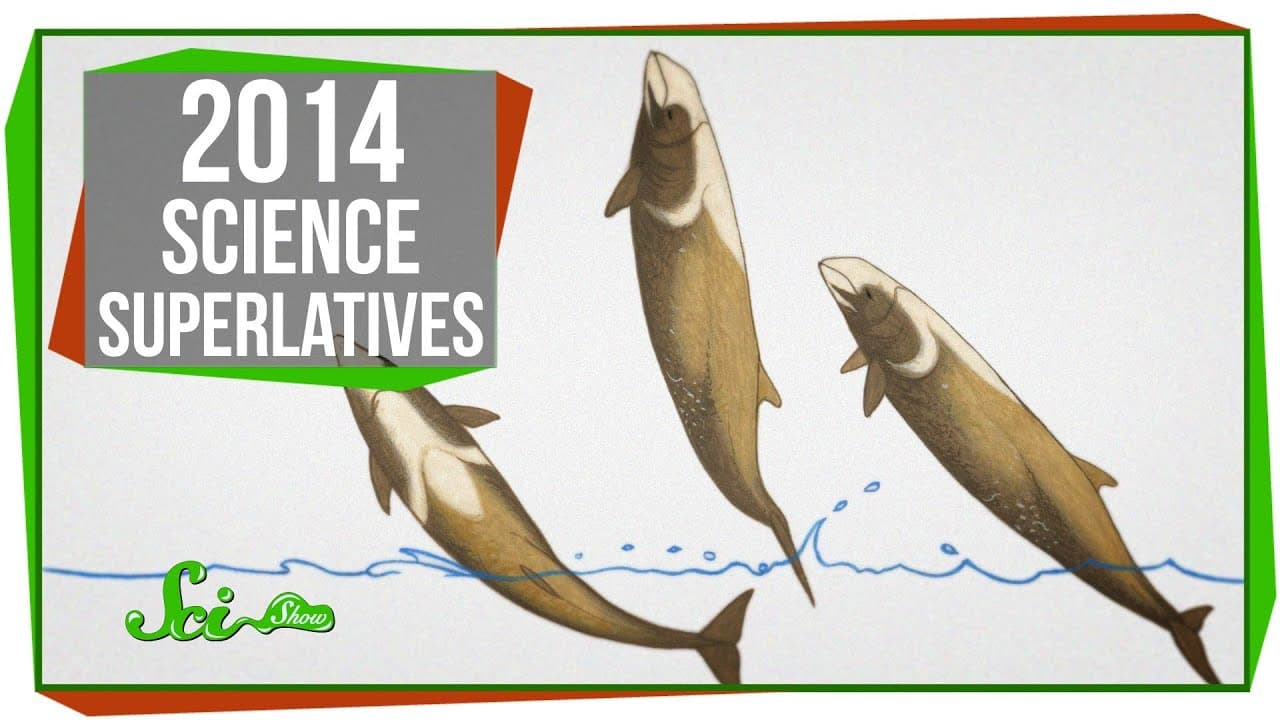
- 🪈 The Cuvier's beaked whale set a new record for the deepest and longest dive ever recorded among mammals.
- 💱 Climate change and its impacts continue to be a significant concern.
- 🌍 The study of exoplanets provides insights into the possibility of habitable worlds beyond Earth.
- 🪡 Increased CO2 emissions highlight the need for sustainable solutions to mitigate climate change.
- 🤿 Understanding the diving behavior of marine mammals helps uncover their unique adaptations.
Install to Summarize YouTube Videos and Get Transcripts
Explore YouTube Video Summarizer or Get YouTube Transcript Extractor
Questions & Answers
Q: What is Kepler 186f and why is it significant?
Kepler 186f is an Earth-sized exoplanet discovered outside our solar system in 2014. It is significant because it is the first rocky, potentially habitable planet found.
Q: What are the implications of the record-breaking CO2 emissions in 2014?
The increase in CO2 emissions leads to higher global temperatures, contributing to climate change and its associated impacts such as sea level rise and extreme weather events.
Q: What makes the Cuvier's beaked whale's dive so remarkable?
The Cuvier's beaked whale set a new record for the deepest and longest dive ever recorded among mammals. It was observed plunging up to 2.9 kilometers beneath the surface and staying there for up to 138 minutes.
Q: How do scientists study Cuvier's beaked whales if they are hard to approach?
Scientists use rifles from a distance to attach trackers with transmitters that record depth to the whales. This method allows researchers to gather data on their diving behavior without needing to physically tag them.
Summary & Key Takeaways
-
Kepler 186f, an Earth-sized exoplanet, was discovered outside our solar system and is potentially habitable.
-
Carbon dioxide emissions reached a record high in 2014, leading to an increase in global temperatures.
-
The Cuvier's beaked whale set a new record for the deepest and longest dive ever recorded among mammals.
Read in Other Languages (beta)
Share This Summary 📚
Summarize YouTube Videos and Get Video Transcripts with 1-Click
Try YouTube Summary with ChatGPT & Claude or YouTube Transcript Generator
Explore More Summaries from SciShow 📚


Summarize YouTube Videos and Get Video Transcripts with 1-Click
Try YouTube Summary with ChatGPT & Claude or YouTube Transcript Generator