Biology Cell Part 20 (Vacuoles) Class 8 VIII
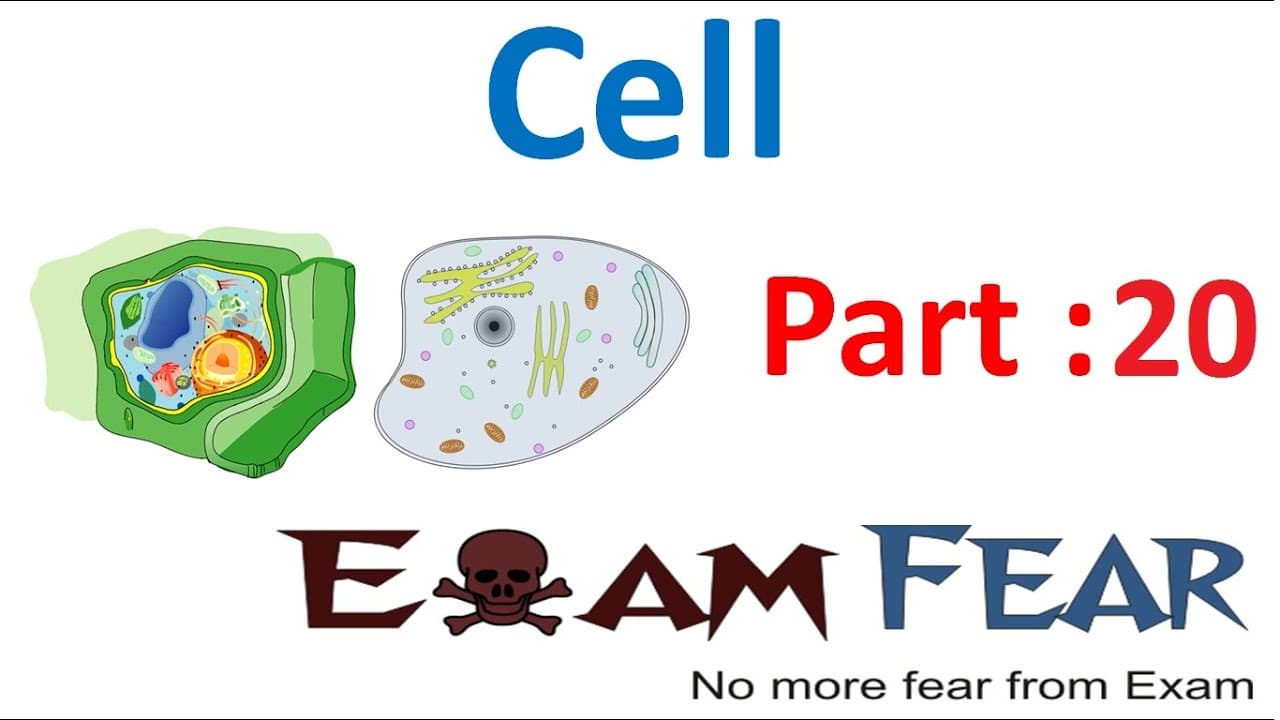
TL;DR
Vacuoles are fluid-filled membrane-bound sacks found in both plant and animal cells, but they serve different purposes in each.
Transcript
hello prints this video on self at 20 is brought to you by example calm no more fear from exam now we will talk about the last sale bargaining that is backwards the backers are also very specific to plant cells I mean we are however they are seen animals is also but they are they have a more important role in a plant cell so these are fluid-filled ... Read More
Key Insights
- 🌱 Vacuoles are membrane-bound sacks found in both plant and animal cells.
- 🌱 They are larger and more important in plant cells, providing rigidity and storing nutrients.
- 💦 In animal cells, vacuoles have various functions like aiding in digestion, maintaining water balance, and nutrient intake.
- 🌱 Vacuoles in plant cells contain SAP, providing rigidity to the cell.
- 🌱 Plant cells need additional rigidity due to their exposure to environmental changes.
- 🌱 Vacuoles in both plant and animal cells serve storage purposes for various substances.
- 🗑️ In animal cells, vacuoles help in osmoregulation and waste removal.
Install to Summarize YouTube Videos and Get Transcripts
Explore YouTube Video Summarizer or Get YouTube Transcript Extractor
Questions & Answers
Q: What are vacuoles and how do they differ in plant and animal cells?
Vacuoles are fluid-filled membrane-bound sacks. They are larger and more prominent in plant cells, providing rigidity and storing nutrients. In animal cells, they are smaller and have various functions like aiding in digestion and maintaining water balance.
Q: Do all animal cells have vacuoles?
No, not all animal cells have vacuoles. Vacuoles are present in specific animal cells where there is a need for processes like digestion, water balance maintenance, or nutrient intake.
Q: What is the significance of vacuoles in plant cells?
Vacuoles in plant cells provide rigidity and help the cell withstand environmental changes. They also store amino acids, sugars, and proteins, contributing to the cell's overall storage capacity.
Q: How do vacuoles aid in osmoregulation in animal cells?
In animal cells like Paramecium, vacuoles help maintain water balance by expelling excess water. They contribute to osmoregulation and the removal of waste materials from the body.
Summary & Key Takeaways
-
Vacuoles are large, fluid-filled sacks in plant cells and smaller in animal cells.
-
They provide rigidity to plant cells, store nutrients, aid in digestion, and help with osmoregulation in animal cells.
-
Vacuoles are more prominent and have a larger role in plant cells compared to animal cells.
Read in Other Languages (beta)
Share This Summary 📚
Summarize YouTube Videos and Get Video Transcripts with 1-Click
Try YouTube Summary with ChatGPT & Claude or YouTube Transcript Generator
Explore More Summaries from LearnoHub - Class 11, 12 📚





Summarize YouTube Videos and Get Video Transcripts with 1-Click
Try YouTube Summary with ChatGPT & Claude or YouTube Transcript Generator