Vampire Life is Hard
TL;DR
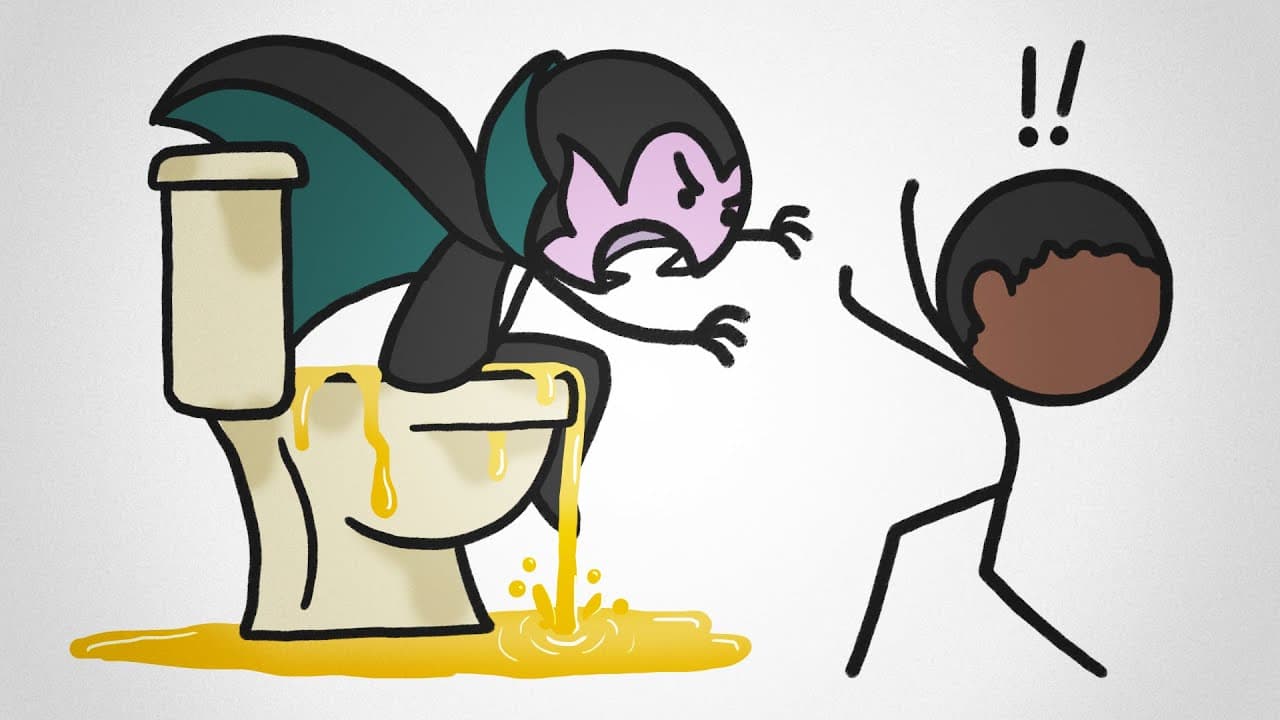
Feeding on blood as a vampire presents multiple problems, including blood clotting, immune system detection, dangerous pathogens, excessive water intake, and the need for frequent sustenance.
Transcript
There are lots of reasons you might not want to be a vampire: long nights, no beach time, the very limited wardrobe. But the worst part might be the diet, since blood is a problem-packed food source. Almost as soon as you sit down to a meal, the problems with feeding on blood begin. Within minutes, your victim’s blood will start clotting t... Read More
Key Insights
- 🤱 Blood clotting and immune system detection create challenges for vampires during feeding.
- 🧛 Blood can harbor dangerous pathogens, posing a risk of infection to vampires.
- 🥺 Excessive iron intake from blood can lead to toxic build-up in vampires.
- 💦 Vampires require a large amount of blood due to its high water content.
- 😒 Real-life vampire species use strategies like anticoagulants, evading immune systems, and processing excess water to overcome feeding challenges.
- 🤔 Thinking of vampires as misunderstood creatures navigating a difficult way of life can provide a different perspective.
Install to Summarize YouTube Videos and Get Transcripts
Explore YouTube Video Summarizer or Get YouTube Transcript Extractor
Questions & Answers
Q: Why does blood clot when a vampire feeds on it?
Blood clotting occurs when a vampire feeds on blood as the victim's body attempts to prevent excessive bleeding. This clotting can end the vampire's feast prematurely.
Q: How does a vampire's saliva affect their feeding process?
The saliva of a vampire contains foreign substances that can be detected by the victim's immune system. This immune response can make the blood unappetizing or cause the victim to dislodge the vampire.
Q: Why is blood a potential source of infection for vampires?
Blood can carry various pathogens that pose a risk of infection to vampires. Ingesting blood can expose them to these dangerous pathogens.
Q: Why do vampires need to consume a large quantity of blood?
Although blood contains some essential nutrients, it is primarily composed of water. Vampires need to ingest a significant amount of blood, often exceeding their own weight, to obtain enough nutrients to survive.
Summary & Key Takeaways
-
Feeding on blood as a vampire comes with challenges such as blood clotting and immune system detection.
-
Blood can harbor dangerous pathogens and excessive iron, leading to toxic build-up when ingested.
-
Vampires need to consume a large amount of blood, primarily consisting of water, to survive.
Read in Other Languages (beta)
Share This Summary 📚
Summarize YouTube Videos and Get Video Transcripts with 1-Click
Try YouTube Summary with ChatGPT & Claude or YouTube Transcript Generator
Explore More Summaries from MinuteEarth 📚






Summarize YouTube Videos and Get Video Transcripts with 1-Click
Try YouTube Summary with ChatGPT & Claude or YouTube Transcript Generator