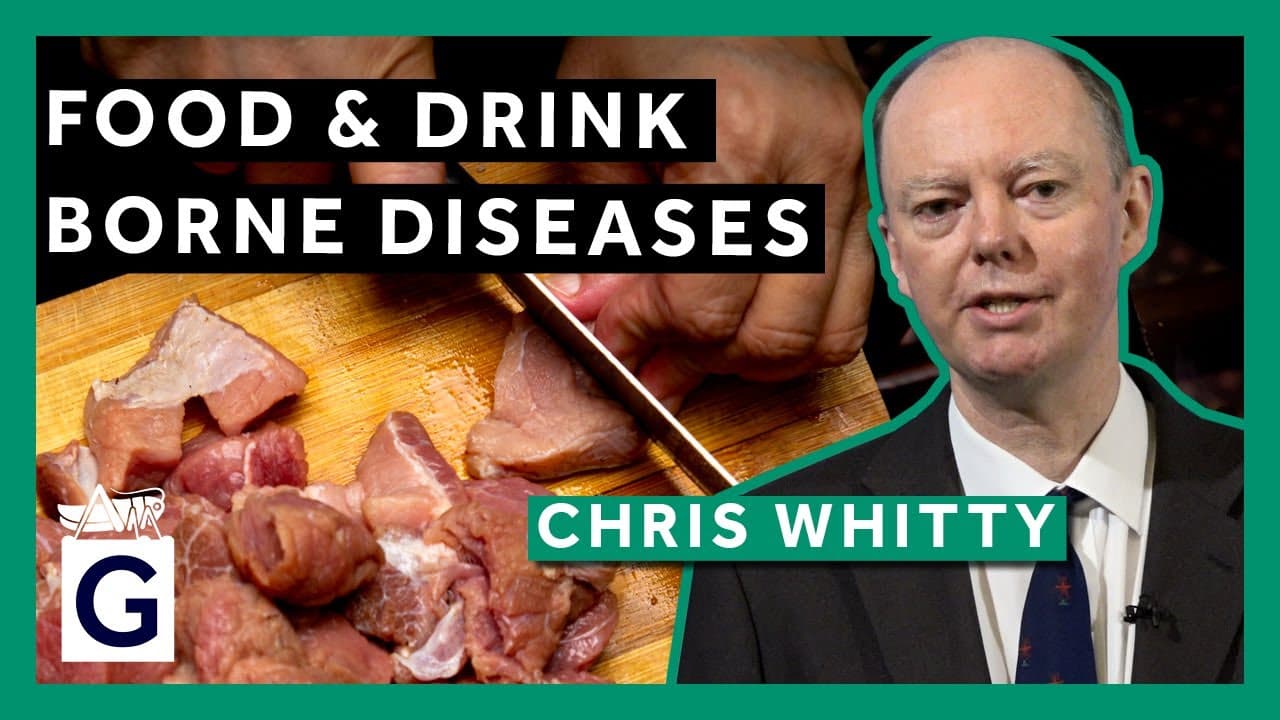
Food-and-Drink Borne Diseases
TL;DR
Understanding the routes of transmission for orally transmitted infections is crucial for implementing effective control measures, such as hygiene, sanitation, and cooking.
Transcript
- Today I'm going to talk about infections passed on by food and drink. And this is a lecture in a series on the five main ways by which infections are passed on between or to humans. And the reason that's important is if you understand the route of transmission, then you can work out a way of combating the infection, stopping it spreading. And of ... Read More
Key Insights
- 🎮 Understanding the routes of transmission is vital for developing effective control measures against orally transmitted infections.
- 💦 Waterborne diseases can be prevented through proper sanitation, clean water sources, and sewage treatment.
- 😋 Good hygiene practices, such as hand-washing and separating feces from food, are important in reducing the risk of infections from contaminated food and water.
- 😋 Engineering advancements, like clean water technologies and refrigeration, have significantly improved food safety and reduced the prevalence of waterborne infections.
- 😋 Food handling and cooking techniques, such as proper meat preparation and washing vegetables, are crucial in mitigating the risk of infections passed on through food.
Install to Summarize YouTube Videos and Get Transcripts
Explore YouTube Video Summarizer or Get YouTube Transcript Extractor
Questions & Answers
Q: What are the main routes of transmission for waterborne diseases?
Waterborne diseases are primarily transmitted through contaminated drinking water or inadequate hand-washing practices after using the toilet. Proper sanitation and clean water sources are crucial in preventing these infections.
Q: How can we reduce the risk of infections from contaminated food?
To reduce the risk of infections from contaminated food, it is important to practice good hygiene, separate feces from food, and cook or freeze meats properly. Regular hand-washing before food preparation is critical, especially when handling uncooked foods.
Q: What are some examples of infections passed on by parasites?
Examples of infections passed on by parasites include tapeworm infections from eating contaminated meat or fish, liver flukes transmitted through their life cycle between humans, freshwater snails, and fish, and the accidental infections of humans with parasites from consuming undercooked exotic foods or animals.
Q: What role does engineering play in preventing the transmission of infections?
Engineering plays a crucial role in preventing the transmission of waterborne diseases, such as providing clean water and proper sewage treatment. It also contributes to food safety through the development of technologies like refrigeration and freezing, which help reduce bacterial growth and kill parasites.
Summary & Key Takeaways
-
Infections passed on through food and drink are common and have distinct routes of transmission, primarily through water, milk, contaminated food, and parasites.
-
Proper sanitation, clean water, and cooking methods are essential in preventing the transmission of waterborne diseases.
-
Hygiene practices, such as hand-washing, separating feces from food, and cooking or freezing meats, help mitigate the risk of infection from contaminated food.
-
Engineering, food handling practices, and cooking techniques are more important in preventing the transmission of orally transmitted infections than medical interventions.
Read in Other Languages (beta)
Share This Summary 📚
Summarize YouTube Videos and Get Video Transcripts with 1-Click
Try YouTube Summary with ChatGPT & Claude or YouTube Transcript Generator
Explore More Summaries from Gresham College 📚
Summarize YouTube Videos and Get Video Transcripts with 1-Click
Try YouTube Summary with ChatGPT & Claude or YouTube Transcript Generator