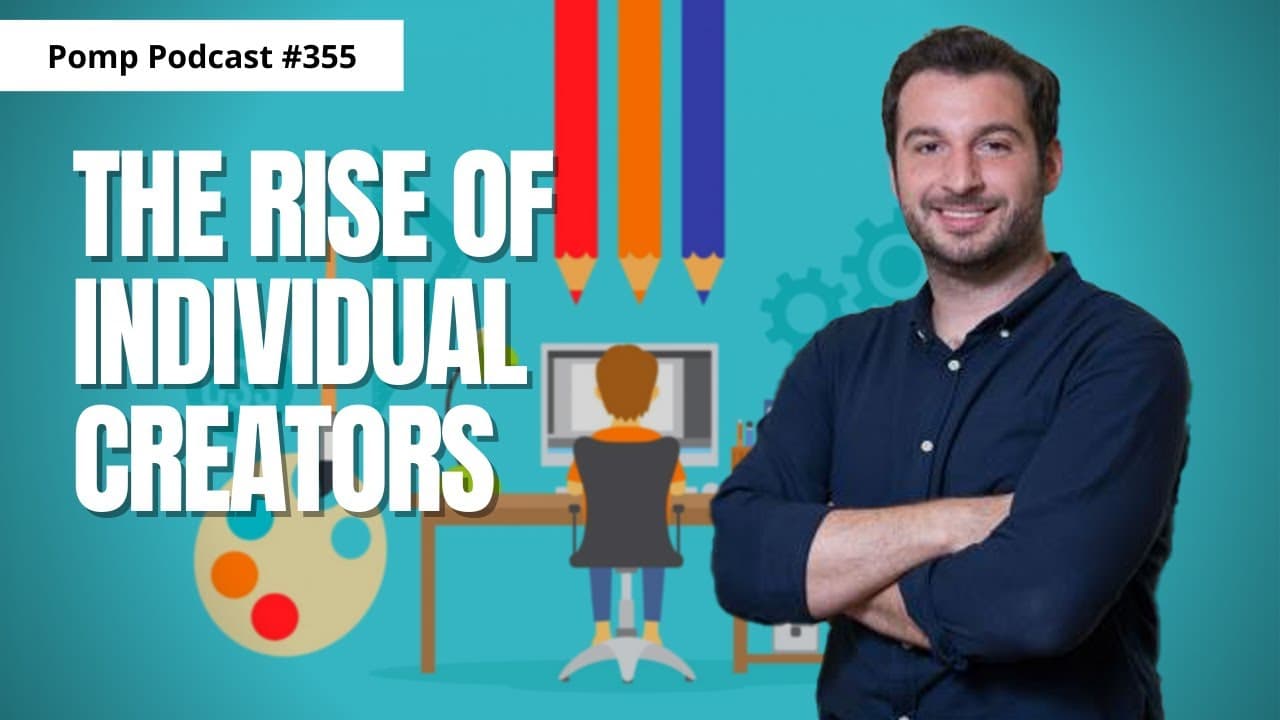
Pomp Podcast #355: Jarrod Dicker on The Rise of Individual Creators
TL;DR
Media companies must adapt to retain creators and value audiences.
Transcript
all right guys bang bang he's back jared what's up man thanks for doing this again what's up thanks paul great to be back for sure uh so for people who didn't listen to the first time we did this uh maybe give us kind of a quick two minutes on your background and then then you've got an update you're back at the washington post so let's do it yeah ... Read More
Key Insights
- 😚 The traditional media model is evolving, and companies unable to adapt may lose their most valuable talent to independent creators.
- 👀 Audience engagement and loyalty are emerging as critical factors for both creators and media companies looking to succeed in a competitive landscape.
- 👶 New business models could include revenue-sharing agreements that better align the interests of media companies and independent creators.
- 🥺 Creators are increasingly viewed as independent businesses, potentially leading to innovations in audience monetization and content delivery.
- 😮 The rise of platforms like Substack exemplifies the shift toward individual creator-driven media models.
- 🔉 Future media relationships will likely rely on membership and identity rather than traditional subscription models.
- 🥺 The integration of audience investment into creator businesses could lead to the emergence of new economic models and ownership structures.
Install to Summarize YouTube Videos and Get Transcripts
Explore YouTube Video Summarizer or Get YouTube Transcript Extractor
Questions & Answers
Q: How are media companies failing to adapt to current creator-led trends?
Media companies have historically operated on rigid business models that prioritize brand identity over individual creator value. This has limited their ability to attract and retain talent. By not adapting to more flexible revenue sharing models or recognizing creators' personal brands, media companies risk losing their most valuable writers to independent platforms with more attractive offers.
Q: What does Jared Dicker believe about the role of creators in the future of media?
Dicker posits that creators will increasingly function as independent media companies themselves. They can leverage their audiences across platforms and could significantly alter how media is consumed. The shift from traditional media to independent creators illustrates a trend where individual influence can surpass the established authority of large media organizations.
Q: What are the potential benefits of subscription models for independent creators?
Subscription models allow independent creators to develop closer relationships with their audiences. A stronger connection can lead to higher loyalty and engagement, enabling creators to build sustainable businesses. Furthermore, offering exclusive content or community benefits can enhance the subscriber experience, making it more than a transactional relationship.
Q: How should media companies rethink their business models to attract creators?
Media companies need to move away from rigid structures that prioritize brand identity over creator talent. They can explore revenue-sharing agreements and offer flexible contracts that allow creators to retain some ownership or share in the profits generated by their content, incentivizing them to stay and grow within the organization.
Q: Why is the concept of audience ownership important for creators and media companies?
Ownership of an audience fosters loyalty and creates value for both creators and media companies. When creators feel that their audience is theirs — not just a product of the media company — they’re more likely to invest in content creation and drive engagement. This shift could redefine how both parties interact and monetize their businesses.
Summary & Key Takeaways
-
Jared Dicker, returning to the Washington Post, discusses the evolving relationship between media companies and independent content creators, emphasizing the need for new business models.
-
As creators gain influence and audience sizes rival traditional media, companies are pressured to offer better incentives and rethink their roles in content delivery.
-
The future of media may involve shared revenue models and more flexible relationships between creators and companies, resembling the music industry's structure.
Read in Other Languages (beta)
Share This Summary 📚
Summarize YouTube Videos and Get Video Transcripts with 1-Click
Try YouTube Summary with ChatGPT & Claude or YouTube Transcript Generator
Explore More Summaries from Anthony Pompliano 📚

Summarize YouTube Videos and Get Video Transcripts with 1-Click
Try YouTube Summary with ChatGPT & Claude or YouTube Transcript Generator