Breaking Free from Single-Use Plastics | DAVOS 2020
TL;DR
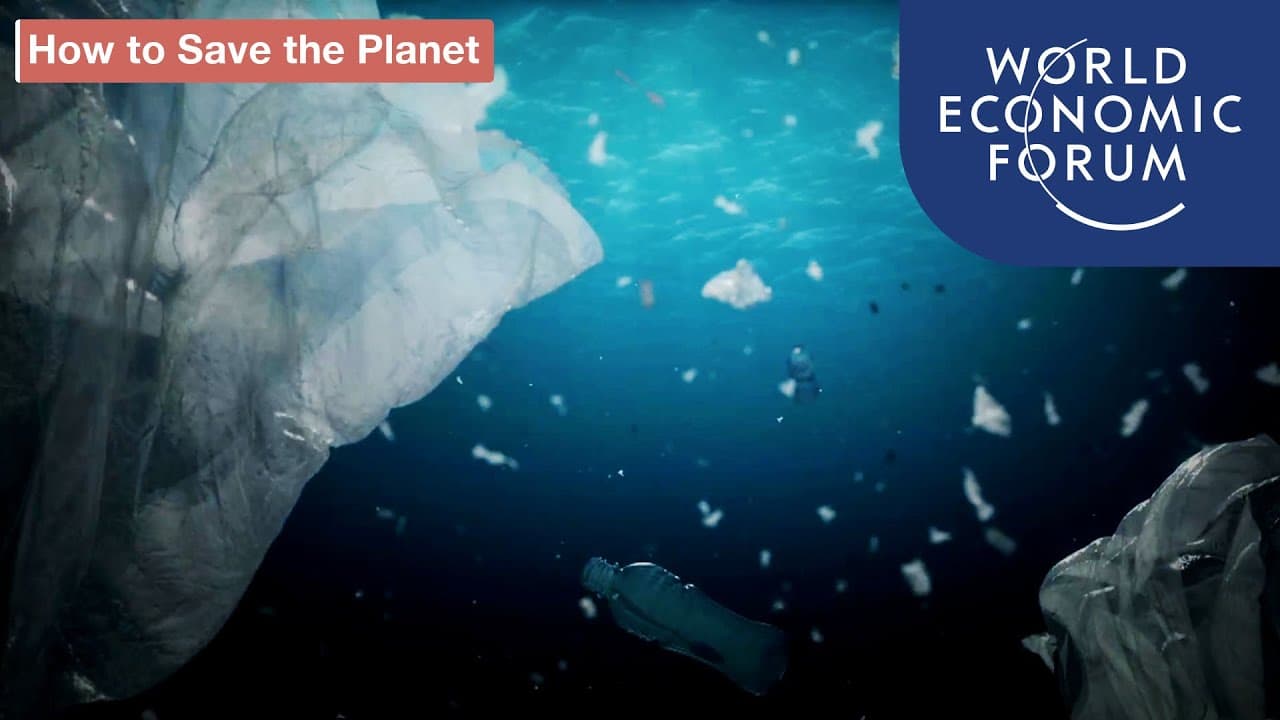
Panel discussion highlights the need for immediate action against plastic pollution and urges collaboration among policymakers, industries, and consumers.
Transcript
[Laughter] good morning here from Davos and welcome to those of you joining us on Bloomberg quick-take via Twitter now our subject today is one of enormous scale but microscopic complexity the question is simple enough how can we break free from single-use plastics now we will be conducting a poll today which all of you here in the room can actuall... Read More
Key Insights
- 🎚️ Plastic pollution requires urgent action at multiple levels, from individuals to policymakers.
- 🖐️ Education and awareness play a crucial role in changing behaviors and attitudes towards plastic waste.
- ❓ Collaboration between stakeholders, including government, industry, and consumers, is vital in implementing sustainable solutions.
- 😒 Innovative technologies and alternative materials are needed to reduce reliance on single-use plastics.
- 🪡 Policymakers need to implement stringent regulations and promote circular economy practices to address the plastic waste crisis.
- 💍 Engaging communities and fostering a sense of responsibility can drive collective action against plastic pollution.
- 🗑️ Transparent supply chains and responsible recycling practices are essential in managing plastic waste effectively.
Install to Summarize YouTube Videos and Get Transcripts
Explore YouTube Video Summarizer or Get YouTube Transcript Extractor
Questions & Answers
Q: What role do policymakers play in reducing plastic waste?
Policymakers must enact regulations and impose laws to discourage the production and use of single-use plastics. They have the authority to set guidelines and standards that can significantly impact the reduction of plastic waste.
Q: How can individuals contribute to reducing plastic waste in their daily lives?
Individuals can start by avoiding single-use plastics like bottles and bags, bringing their own reusable alternatives, and pressuring governments and businesses to adopt eco-friendly practices. Small changes in consumer behavior can lead to significant reductions in plastic usage.
Q: What are the challenges faced in transitioning from plastic to alternative materials?
Changes in materials like transitioning from petroleum-based plastics to biodegradable options can pose challenges in terms of supply chains, cost-effectiveness, and environmental impact. Industry needs to innovate and collaborate to find sustainable alternatives without compromising quality.
Q: How can communities work together to combat plastic pollution?
Communities can coordinate efforts to collect plastic waste at the mouths of rivers, engage in local clean-up campaigns, and advocate for policy changes at the local and national levels. Collaborative action is essential in addressing plastic pollution effectively.
Summary & Key Takeaways
-
Discussion on breaking free from single-use plastics to combat plastic pollution.
-
Importance of education to change mindset and instigate action from individuals and businesses.
-
Call for collaborative efforts among policymakers, industries, and citizens to address the plastic waste crisis.
Read in Other Languages (beta)
Share This Summary 📚
Summarize YouTube Videos and Get Video Transcripts with 1-Click
Try YouTube Summary with ChatGPT & Claude or YouTube Transcript Generator
Explore More Summaries from World Economic Forum 📚
Summarize YouTube Videos and Get Video Transcripts with 1-Click
Try YouTube Summary with ChatGPT & Claude or YouTube Transcript Generator