What Is the Future of Media in a Creator-Driven World?
TL;DR
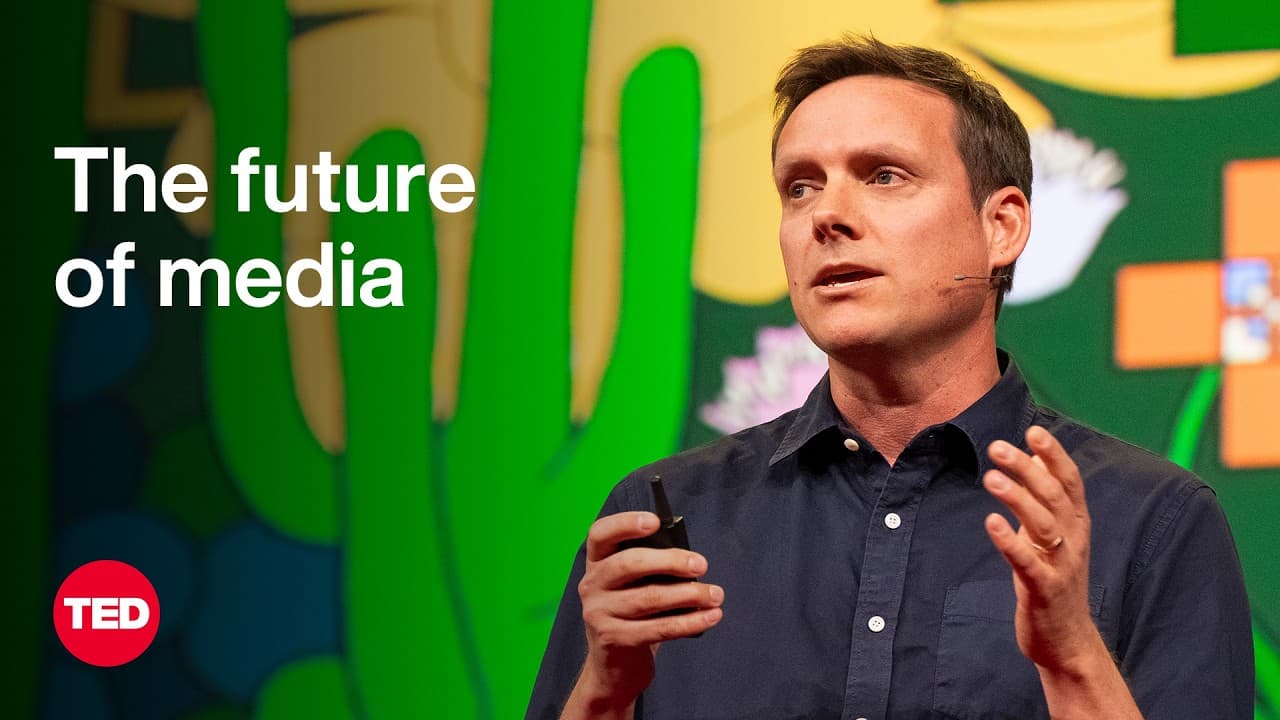
The future of media lies in a creator-driven ecosystem, often referred to as 'the garden,' which prioritizes trust and direct relationships between creators and audiences. This model allows creators to gain economic autonomy and focus on community service, free from the constraints of traditional media gatekeepers and algorithms. Successful examples like Krystal Ball and Matt Yglesias show how this shift fosters resilience and cultural diversity.
Transcript
We're living through the most significant media disruption since the printing press. It's a transformation that explains everything from political polarization to why algorithms now do the jobs of editors, and it's creating a hell of a mess. But I secretly think that we're on our way to something greater than we've ever seen in human history. This ... Read More
Key Insights
- The current media disruption is the most significant since the printing press, affecting everything from political polarization to media consumption patterns.
- The internet promised media democratization but has concentrated power in a few platforms, leading to a chaotic media landscape.
- A new media ecosystem, described as 'the garden,' is emerging, giving more power to creators and consumers through platforms like Substack and Patreon.
- This new system fosters economic autonomy, allowing creators to focus on serving their communities rather than chasing virality or pleasing advertisers.
- Examples of successful independent creators include Krystal Ball and Saagar Enjeti, Caroline Chambers, and Matt Yglesias, who have all found success outside traditional media structures.
- The garden model emphasizes direct relationships between creators and audiences, ensuring sustainability and resilience against platform policy changes.
- Critics fear echo chambers, but the garden model can promote cultural connections and expose audiences to diverse viewpoints.
- Every subscription and share in this new media landscape is a vote for a culture that values deep relationships and thoughtful content.
Install to Summarize YouTube Videos and Get Transcripts
Explore YouTube Video Summarizer or Get YouTube Transcript Extractor
Questions & Answers
Q: What is the main argument Hamish McKenzie makes about the current media landscape?
Hamish McKenzie argues that the current media landscape is undergoing a significant transformation, akin to the impact of the printing press. While the internet promised democratization, it has concentrated power in a few platforms, creating chaos. However, a new system, termed 'the garden,' is emerging, prioritizing creator and consumer empowerment.
Q: How does the 'garden' model differ from traditional media systems?
The 'garden' model differs from traditional media systems by emphasizing economic autonomy for creators, allowing them to focus on serving their communities without the constraints of advertisers or algorithms. It fosters direct relationships between creators and audiences, ensuring sustainability and resilience against platform policy changes, unlike the top-down, centralized control of traditional media.
Q: What role do platforms like Substack and Patreon play in the new media system?
Platforms like Substack and Patreon play a crucial role in the new media system by providing creators with the tools to establish direct relationships with their audiences. They enable creators to achieve economic autonomy, allowing them to prioritize community service and content quality over chasing virality or pleasing advertisers, thus supporting the garden model.
Q: Can you provide examples of creators who have succeeded in the new media landscape?
Yes, examples of creators who have succeeded in the new media landscape include Krystal Ball and Saagar Enjeti with their independent news show 'Breaking Points,' Caroline Chambers with her Substack community around practical recipes, and Matt Yglesias with his newsletter 'Slow Boring.' These creators thrive by cultivating trust and direct audience relationships outside traditional media structures.
Q: What are the potential criticisms of the garden model, and how does McKenzie address them?
Potential criticisms of the garden model include the fear of creating more echo chambers. However, McKenzie addresses these concerns by arguing that the garden model can promote cultural connections and expose audiences to diverse viewpoints. By networking cultural connections, people can move freely between communities and be exposed to new ways of thinking in more moderate environments.
Q: How does the garden model ensure sustainability and resilience for creators?
The garden model ensures sustainability and resilience for creators by fostering direct relationships with their audiences, providing a stable income independent of algorithmic whims or viral trends. This model is not vulnerable to sudden platform policy changes, allowing creators to continue thriving based on the value of their audience relationships, ensuring long-term viability.
Q: What implications does the garden model have for the future of media?
The garden model has profound implications for the future of media, shifting focus from capturing attention to nurturing relationships. It allows for more nuanced and complex content, promoting cultural diversity and thoughtful engagement. This model supports a media landscape where many voices can thrive, contributing to a richer and more dynamic cultural ecosystem.
Q: How can audiences influence the media landscape in the garden model?
Audiences can influence the media landscape in the garden model by actively choosing to support creators through subscriptions, shares, and engagement. Each action is a vote for a culture that values deep relationships and thoughtful content. By investing in creators, audiences help shape a media ecosystem that prioritizes trust and community over algorithms and advertising revenue.
Summary & Key Takeaways
-
Hamish McKenzie discusses the significant media disruption occurring, likening it to the impact of the printing press. He argues that while social media has democratized voices, it has also concentrated power, leading to chaos. A new system, 'the garden,' is emerging, empowering creators and consumers.
-
The garden model is characterized by economic autonomy for creators, allowing them to focus on community service instead of advertisers or algorithms. Platforms like Substack and Patreon exemplify this shift, providing creators with direct audience relationships, fostering trust and sustainability.
-
Successful examples of this model include independent creators like Krystal Ball, Saagar Enjeti, Caroline Chambers, and Matt Yglesias, who thrive without traditional media gatekeepers. The garden model offers resilience against platform changes and promotes cultural diversity and thoughtful content.
Read in Other Languages (beta)
Share This Summary 📚
Summarize YouTube Videos and Get Video Transcripts with 1-Click
Try YouTube Summary with ChatGPT & Claude or YouTube Transcript Generator
Explore More Summaries from TED 📚


Summarize YouTube Videos and Get Video Transcripts with 1-Click
Try YouTube Summary with ChatGPT & Claude or YouTube Transcript Generator