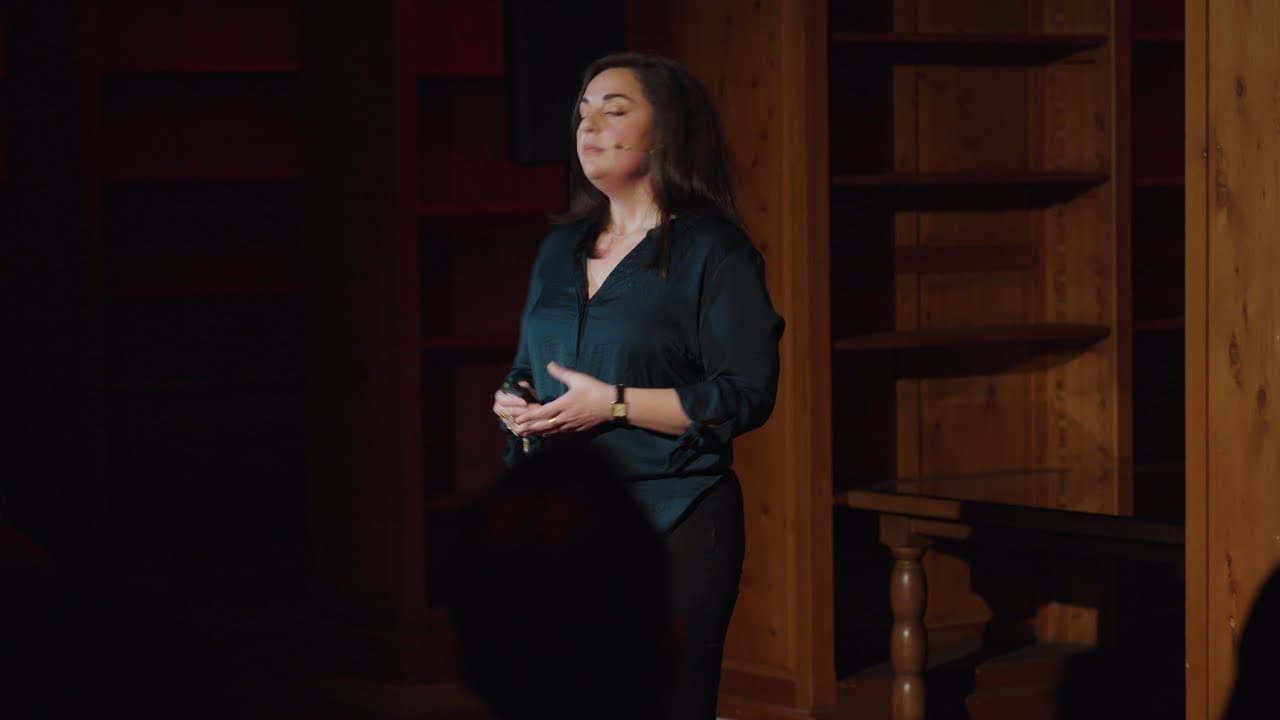
Heritage Buildings make you a better Person | Dr Amber Wismayer | TEDxUniversityofMalta
TL;DR
Heritage buildings offer energy-efficient solutions and biophilic design enhances well-being through nature integration.
Transcript
[Applause] thank you for a very interesting presentation and thank you Alexandra for the introduction and also the invitation it's an honor to be able to share my talk with everyone here this evening I'm Amber and I believe that Heritage buildings make you a better person when my brother and I were little our mom would come up with different ways o... Read More
Key Insights
- 🏛️ Heritage buildings offer passive environmental design solutions for energy efficiency.
- 🎨 Biophilic design enhances well-being and productivity by integrating nature.
- 🏛️ Preservation and sensitive restoration of heritage buildings are crucial for maintaining architectural identity.
- 😵 Passive strategies in heritage buildings like cross ventilation and double skin walls contribute to energy efficiency.
- 💦 Natural elements in buildings, like water features, improve occupants' connection to nature.
- 🥺 Biophilic design can lead to better academic and work performance.
- 🏛️ Sensible reuse of heritage buildings and biophilic design can positively impact architectural evolution.
Install to Summarize YouTube Videos and Get Transcripts
Explore YouTube Video Summarizer or Get YouTube Transcript Extractor
Questions & Answers
Q: How do heritage buildings contribute to energy efficiency?
Heritage buildings have inherent passive environmental design strategies that can make spaces more comfortable and energy-efficient, reducing the need for artificial cooling or heating systems.
Q: What is biophilic design, and how does it benefit occupants?
Biophilic design integrates nature into built environments, enhancing well-being, productivity, and creativity by fostering a connection with the natural world, leading to improved mental and physical health.
Q: How can heritage buildings be preserved and adapted for modern needs?
Sensitively restoring and reusing heritage buildings while incorporating biophilic design principles can help maintain their historical value while making them more sustainable and adaptable for contemporary uses.
Q: What are some examples of passive environmental design strategies in heritage buildings?
Examples include maximizing natural light through well-placed windows, using traditional materials for passive cooling, and incorporating green spaces like central courtyards for natural ventilation.
Summary & Key Takeaways
-
The speaker, Amber, shares her passion for heritage buildings and how they offer passive environmental design solutions.
-
She discusses the importance of reducing energy consumption in buildings and how heritage structures can help achieve this.
-
Biophilic design, integrating nature into buildings, is crucial for well-being and productivity, with examples showing its benefits.
Read in Other Languages (beta)
Share This Summary 📚
Summarize YouTube Videos and Get Video Transcripts with 1-Click
Try YouTube Summary with ChatGPT & Claude or YouTube Transcript Generator
Explore More Summaries from TEDx Talks 📚

Summarize YouTube Videos and Get Video Transcripts with 1-Click
Try YouTube Summary with ChatGPT & Claude or YouTube Transcript Generator