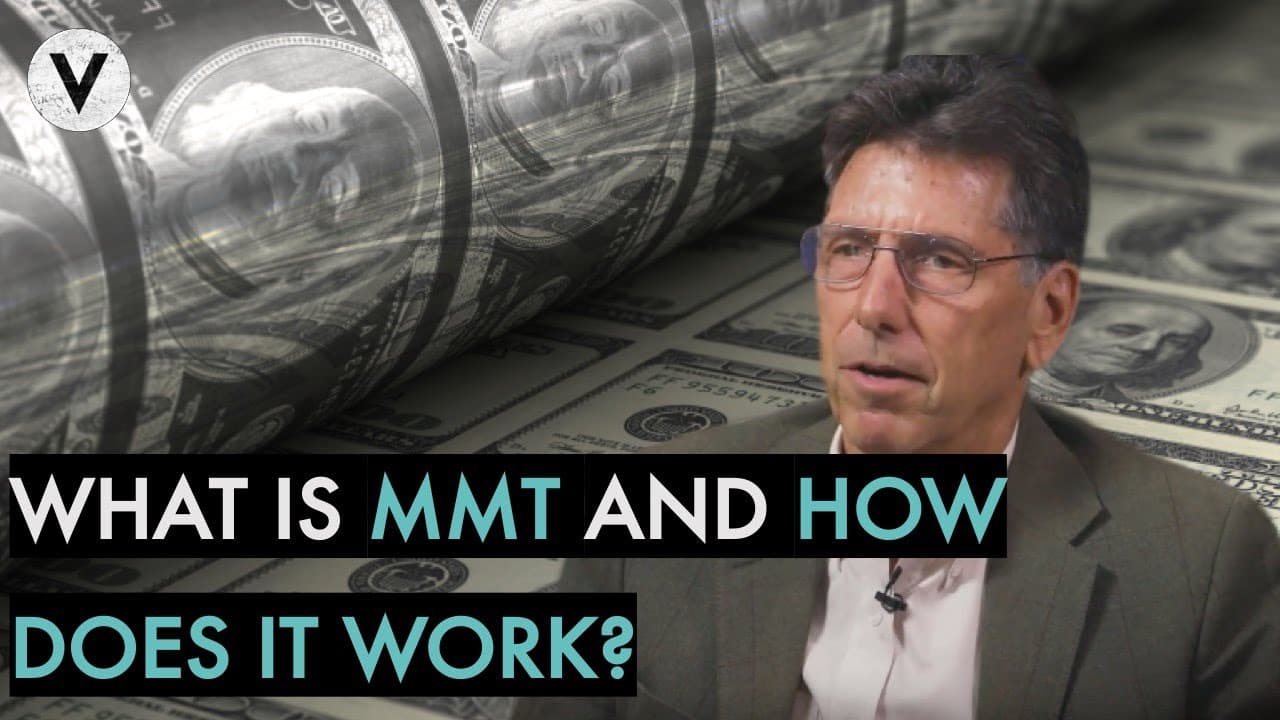
How Modern Monetary Theory (MMT) Actually Works (w/ Warren Mosler)
TL;DR
Mosler discusses the beginnings of Modern Monetary Theory (MMT) and its advocates, emphasizing the importance of understanding monetary operations. He also explains the role of taxation and the potential benefits of a job guarantee program.
Transcript
warned Mosler it's very good to have you here at our studios in real vision been trying to talk to you about mmt for a very long time I think we're gonna end up calling you that Godfather of mmt for this particular video and I wanted to start with because mmt is a really hot topic now and and you were the progenitor of mmt are you very excited abou... Read More
Key Insights
- ⚾ MMT is based on a deep understanding of monetary operations, particularly the role of government spending and taxation.
- 😀 Mosler and other early proponents of MMT have faced challenges in promoting their ideas and countering misconceptions, but they have persisted for over 25 years.
- 🙈 The concept of a job guarantee program is seen as a more effective buffer against inflation and unemployment than traditional unemployment. It provides stable employment and reduces the negative consequences of joblessness.
Install to Summarize YouTube Videos and Get Transcripts
Explore YouTube Video Summarizer or Get YouTube Transcript Extractor
Questions & Answers
Q: How did Mosler's early career in money management lead to the development of MMT?
Mosler's experience observing the mechanics of monetary operations while working as a money manager led him to question the role of central banks and inspired him to further explore the concept of government spending and the impact of taxation.
Q: What were some of the challenges faced by Mosler and other early proponents of MMT?
Mosler and other early proponents of MMT faced challenges in promoting their ideas and countering misconceptions in the press. However, they persevered and continued to research, write papers, and advocate for MMT for over 25 years.
Q: How does MMT view the role of taxation in government spending?
MMT views taxation as a tool to create demand for the government's currency. It is not necessarily to finance government spending, as the government can create money through its own central bank. Taxes help regulate the overall level of spending in the economy and prevent excessive inflation.
Q: What is the significance of a job guarantee program in MMT?
A job guarantee program is seen as a more effective buffer against inflation than unemployment. By employing individuals at a base wage, the program ensures that individuals have access to paid work and stabilizes the economy. It also reduces the negative externalities associated with unemployment.
Summary & Key Takeaways
-
Mosler first became interested in monetary operations while working as a money manager in the 1970s. He observed that central bank actions did not always have the expected impact, leading him to question the mechanics of monetary operations.
-
The foundations of MMT were developed in the early 1990s when Mosler began discussing his ideas in online forums. He collaborated with economists such as Bill Mitchell, Randy Wray, and Stephanie Kelton to further develop and promote the theory.
-
Mosler explains the importance of understanding how governments spend money and the role of taxes in creating a demand for the government's currency. He also emphasizes the potential benefits of a job guarantee program in providing stable employment and economic stability.
Read in Other Languages (beta)
Share This Summary 📚
Summarize YouTube Videos and Get Video Transcripts with 1-Click
Try YouTube Summary with ChatGPT & Claude or YouTube Transcript Generator
Explore More Summaries from Real Vision 📚


Summarize YouTube Videos and Get Video Transcripts with 1-Click
Try YouTube Summary with ChatGPT & Claude or YouTube Transcript Generator