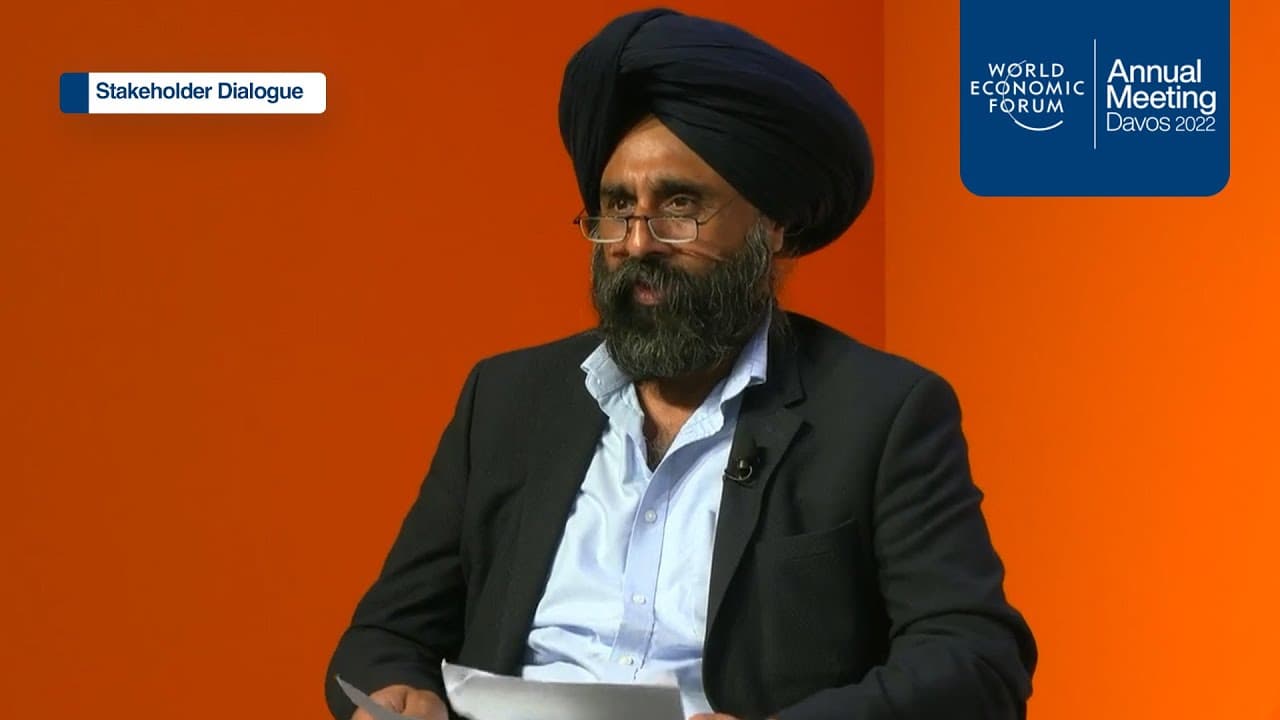
Balancing Globalization and Resilience in a Time of Crises | Davos | #WEF22
TL;DR
Leaders discuss the future of globalization, supply chains, and climate resilience post-crisis and explore new opportunities for collaboration and innovation.
Transcript
well good afternoon everybody and delighted to be moderating this uh excellent uh topic and panel on balancing globalization and resilience in the time of crisis um i know when i was asked to moderate this session there's quite a few conversations with the organizers as to is this really attention or indeed an opportunity for us to reset the way we... Read More
Key Insights
- 🌐 Global leaders recognize the need for enhanced collaboration to address climate change, sustainability, and resilience in supply chains.
- ❓ The COVID-19 pandemic and geopolitical tensions have accelerated discussions on the future of globalization, emphasizing the importance of adaptability and innovation.
- 🖐️ Digitalization plays a crucial role in transforming supply chains and driving sustainability initiatives, while also fostering global cooperation.
- 🤩 Inclusivity, social equity, and poverty reduction are key factors in promoting a more resilient and equitable form of globalization.
- 🌐 Measures to enhance global trade, address climate challenges, and promote sustainability can indicate progress towards a more resilient and inclusive global economy.
Install to Summarize YouTube Videos and Get Transcripts
Explore YouTube Video Summarizer or Get YouTube Transcript Extractor
Questions & Answers
Q: How has the COVID-19 pandemic and recent global crises influenced the debate on globalization and supply chain resilience?
The crises have accelerated discussions on the balance between globalization and regionalization, prompting a rethink of global supply chain designs and technological advancements.
Q: How are governments, businesses, and organizations collaborating to mitigate challenges and enhance global supply chain resilience?
Leaders are emphasizing the importance of cooperation, innovation, and sustainability to address vulnerabilities, adapt to changing conditions, and build more resilient global supply chains.
Q: What role does digitalization play in transforming supply chains, fostering collaboration, and accelerating the shift towards renewable energy?
Digital technologies are enabling improved visibility, efficiency, and collaboration across supply chains, facilitating transitions towards more sustainable practices and cleaner energy sources.
Q: How can global leaders ensure inclusivity, address socio-economic disparities, and promote equitable globalization?
By prioritizing measures to lift people out of poverty, enhance accessibility to education and skills development, and foster innovation that benefits all, leaders can promote a more inclusive and sustainable form of globalization.
Summary & Key Takeaways
-
Global leaders analyze the impact of crises on globalization, supply chains, and resilience, examining responses to challenges and exploring innovative solutions.
-
Discussions revolve around the balance between regionalization and globalization, as well as the implications of emerging technologies on manufacturing and production.
-
Emphasis is placed on enhancing cooperation across sectors and geographies to address food security, climate change, and the evolving dynamics of global trade.
Read in Other Languages (beta)
Share This Summary 📚
Summarize YouTube Videos and Get Video Transcripts with 1-Click
Try YouTube Summary with ChatGPT & Claude or YouTube Transcript Generator
Explore More Summaries from World Economic Forum 📚
Summarize YouTube Videos and Get Video Transcripts with 1-Click
Try YouTube Summary with ChatGPT & Claude or YouTube Transcript Generator