Trudeau tightens his grip on online content (ft. Kris Sims)
TL;DR
Canadian Bill C11 imposes regulations on online media, threatening free expression.
Transcript
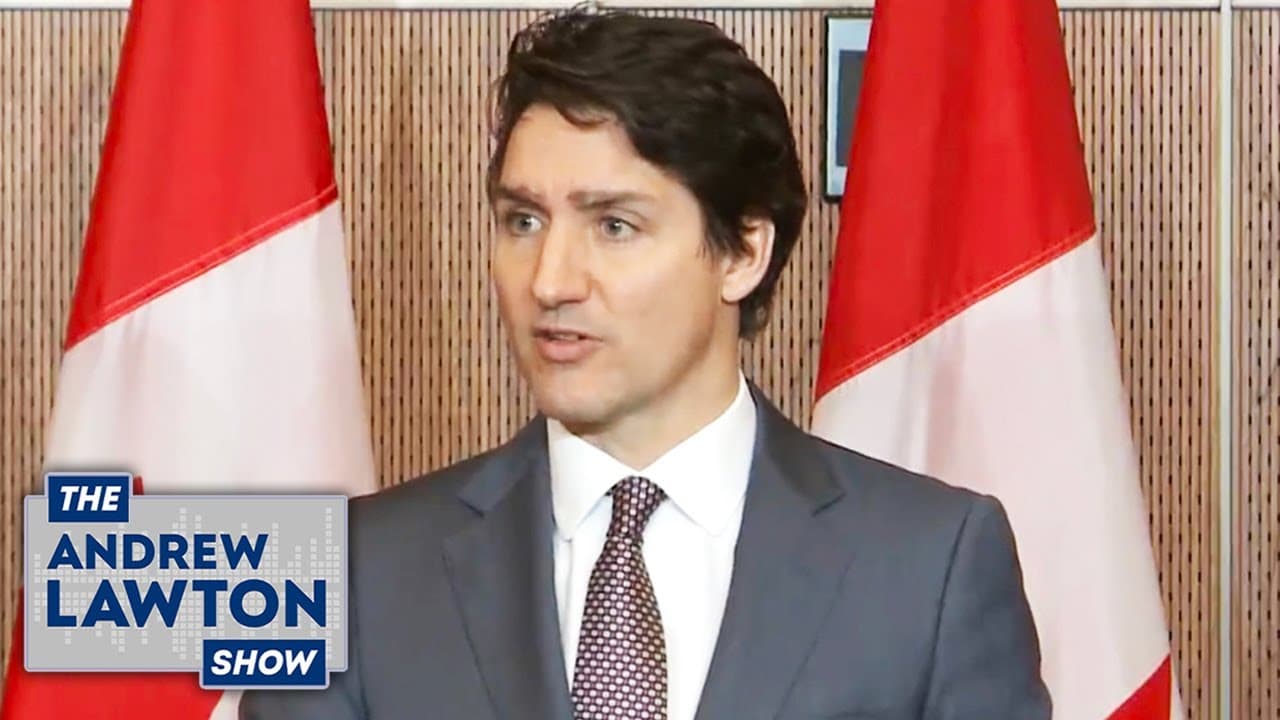
you're tuned in to the Andrew lton show every Monday we like to check in with our friend Chris Sims of the Canadian taxpayers Federation this is not a simulation she is here in the flash well virtually anyway Chris always good to talk to you thanks for coming on today hey Andrew thanks for covering this you know we cannot understate the importance ... Read More
Key Insights
- 😑 Bill C11 poses potential threats to online free expression, censoring diverse voices and opinions on platforms.
- ✊ The CRTC's regulatory powers can create uneven playing fields between mainstream media and independent outlets.
- 🤨 Historical instances of government intervention in media should raise alertness about current censorship risks.
- ✳️ Classifying misinformation risks undermining legitimate policy discussions and dissenting opinions.
- 🤨 Increasing government funding for select media raises concerns over journalistic independence and bias.
- 🔉 The implications of content regulation extend beyond media professionals, impacting general public discourse and civic action.
- 🗯️ Listeners and consumers of media should advocate for their rights to unfettered access to a wide array of content.
Install to Summarize YouTube Videos and Get Transcripts
Explore YouTube Video Summarizer or Get YouTube Transcript Extractor
Questions & Answers
Q: What is Bill C11, and why is it controversial?
Bill C11 is a Canadian regulation that mandates online platforms offering podcasts to register with the CRTC. Critics argue it undermines free expression by allowing the government to control what content is accessible, essentially manipulating online availability based on regulatory compliance. This could diminish diverse viewpoints and hinder public accountability.
Q: How does the CRTC’s power affect independent media outlets?
The CRTC has the authority to grant or deny broadcasting licenses and can treat online platforms differently based on their established relationships with mainstream media. Independent outlets may face unfair competition and restrictions that limit their visibility and growth, creating a media landscape skewed toward government-favored narratives.
Q: What could be the implications of enforcing specific content standards?
Enforcing stringent content standards means that any topic deemed controversial or contrary to government narratives could face censorship. This includes critical discussions on policies like the carbon tax or gun ownership laws. The fear is that subjective regulation of "acceptable" content would stifle necessary public discourse and activism.
Q: What are the risks of classifying misinformation under CRTC regulations?
Classifying certain viewpoints or criticisms as misinformation could lead to censorship of legitimate discussions. It jeopardizes the integrity of independent media and silences dissent. Those who challenge government narratives may be labeled as misinformation purveyors, which poses a serious threat to free speech in Canada.
Q: How could Bill C11 impact Canadian citizens not involved in media?
Even citizens who do not engage in media could feel the effects as free expression is curtailed. If online discussions about significant social issues are limited, it stifles grassroots activism and the ability to organize against government policies. This distorts democratic engagement and impacts civic participation.
Q: What historical context should Canadians consider regarding content regulation?
Canadians should reflect on previous government actions that stifled free speech during critical moments, like the protest movements against the Iraq war. Regulating online content could mirror past overreach, thus limiting the public's ability to mobilize and communicate dissenting opinions effectively.
Q: How are government-funded media outlets potentially affected by this legislation?
With increasing funding directed to government-supported media, the independence of journalism is jeopardized. Such dependency could compromise the objectivity of reporting, leading to biased narratives that align with governmental interests rather than offering an unbiased public service.
Q: What measures can Canadians take to oppose restrictive regulations?
Canadians are encouraged to contact their Members of Parliament (MPs) to voice their concerns about Bill C11 and similar regulations. They can also engage in public dialogues, support independent media, and raise awareness about the importance of free expression and diverse viewpoints to foster a robust democratic culture.
Summary & Key Takeaways
-
Bill C11 aims to regulate online content by requiring services like YouTube and Spotify to register, which raises concerns about censorship and government control.
-
The Canadian Radio-television and Telecommunications Commission (CRTC) has substantial power over media broadcasting, which critics argue could suppress alternative voices and limit accountability.
-
The conversation highlights the risks of government overreach in regulating information, which could affect various topics, including taxes and public discourse on controversial issues.
Read in Other Languages (beta)
Share This Summary 📚
Summarize YouTube Videos and Get Video Transcripts with 1-Click
Try YouTube Summary with ChatGPT & Claude or YouTube Transcript Generator
Explore More Summaries from True North 📚



Summarize YouTube Videos and Get Video Transcripts with 1-Click
Try YouTube Summary with ChatGPT & Claude or YouTube Transcript Generator