The Chamberlains | Red Thread
TL;DR
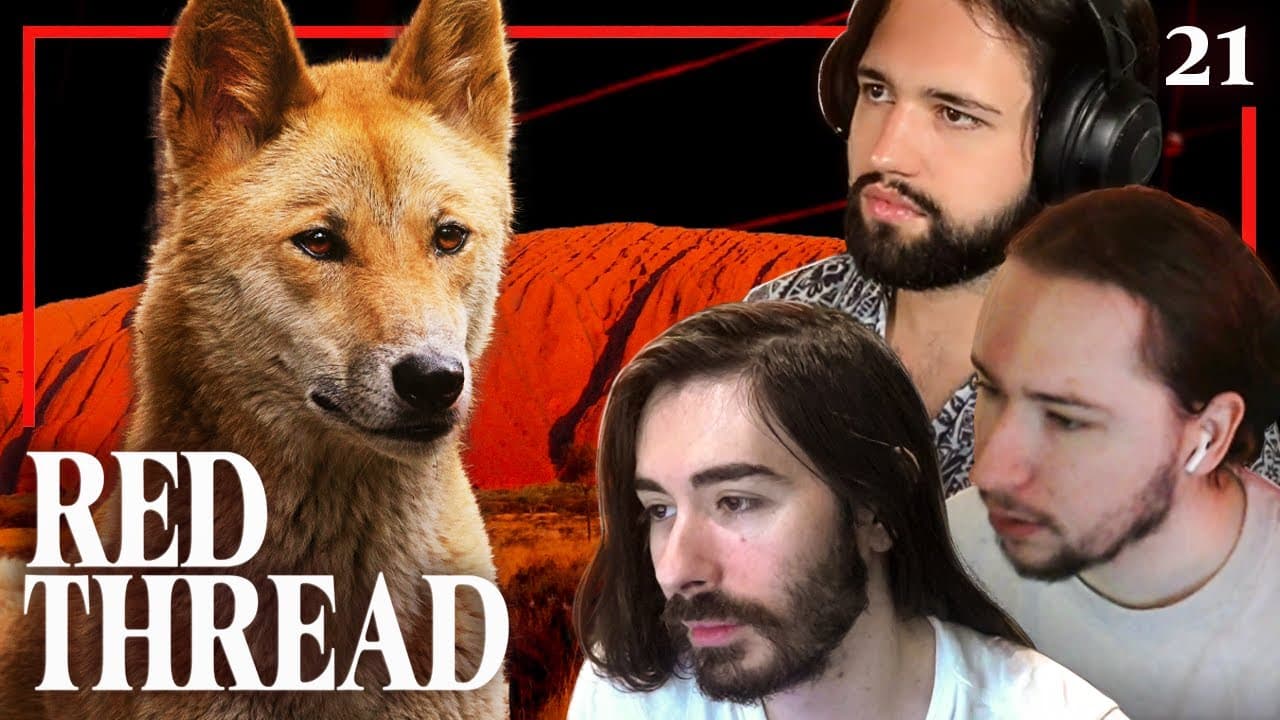
The Chamberlains faced wrongful conviction after their baby was taken by a dingo, igniting a media frenzy.
Transcript
sunlight beams down around you every Ray in a escapable the Australian sun is an indomitable foe the ozone layer above is Pock marked the result suffocating heat and light and ultraviolet rays bouncing off the red sand of the surroundings and finding their way directly onto you the temperature is unbearable but the shade you find yourself in offers... Read More
Key Insights
- 🥺 The Chamberlain tragedy illustrates the dangers of media sensationalism in legal cases, potentially leading to wrongful convictions.
- 🖤 Many public figures and authorities quickly dismissed Lindy Chamberlain’s claims, resulting in a lack of thorough investigation into evidence supporting a dingo attack.
- 💖 The case sparked significant debate about the distinctions between wild animals and domestic pets regarding their behavior towards humans, especially vulnerable individuals like infants.
- 🙈 Legal systems can be overwhelmed by public opinion, which can adversely influence investigations and trials, as seen in this case.
- 👨⚖️ The significance of forensic evidence can influence the outcome of trials; however, misinterpretations can occur, resulting in tragic miscarriages of justice.
- 😥 The story has evolved into a cultural reference point, with the phrase "A dingo ate my baby" reflecting the case's notoriety rather than its serious context.
- 👶 The eventual exoneration of Lindy Chamberlain highlights the importance of re-evaluating past cases with new evidence and changing perspectives.
Install to Summarize YouTube Videos and Get Transcripts
Explore YouTube Video Summarizer or Get YouTube Transcript Extractor
Questions & Answers
Q: What transpired during the Chamberlain family's camping trip?
The Chamberlain family was camping at Uluru in 1980 when their nine-week-old daughter Azaria disappeared. Lindy Chamberlain, the mother, claimed she saw a dingo carrying Azaria away from their tent, leading to a frantic search and a series of subsequent investigations and legal battles over the case.
Q: How did the police and media portray the Chamberlains?
The police were quick to doubt Lindy's account of a dingo attack, leading to a narrative that she had killed Azaria. The media sensationalized the case, depicting the Chamberlains as cultists involved in a sacrificial ritual, which swayed public opinion against them despite a lack of solid evidence.
Q: What was the outcome of the first coroner's inquest?
The first coroner’s inquest concluded in 1981 that Azaria had been attacked and killed by a dingo, absolving the Chamberlains of any wrongdoing. However, this finding was overshadowed by public skepticism and the ongoing investigation, which sought to pin blame on them instead.
Q: What evidence eventually led to Lindy's exoneration?
Four years later, a hiker found Azaria's jacket near a dingo lair, contradicting earlier claims that the jacket didn't exist. Additionally, blood believed to be found in the Chamberlains’ car was determined not to be blood at all, leading to a reevaluation of the case.
Q: How did the legal situation unfold after Lindy’s release?
After the discovery of the jacket and the revelation regarding the blood, new inquiries were prompted, and in 1988, all convictions against Lindy and Michael were quashed. They received compensation for wrongful imprisonment, though the amount was criticized as insufficient.
Q: What impact did the case have on the public perception of dingoes?
The case brought considerable attention to dingoes, often depicted as innocent animals in a sensational case. Incidents of dingo attacks became more scrutinized, emphasizing the importance of handling wildlife responsibly, especially in tourist areas.
Q: What lessons can be drawn from the Chamberlain case?
The Chamberlain case underscores the critical failures within investigative and judicial processes, showcasing how media narratives can distort public perception and the profound consequences of circumstantial evidence on innocent lives caught in legal crosshairs.
Q: How has Lindy Chamberlain’s life been affected post-trial?
Lindy Chamberlain has spoken publicly about her experiences following the trial and has advocated for social and legal justice issues. She remains a strong figure in discussions related to wrongful convictions and similar injustices, though the emotional scars of the case persist.
Summary & Key Takeaways
-
The case involves the Chamberlain family, whose baby, Azaria, disappeared during a camping trip in Australia, with Lindy Chamberlain claiming a dingo took her. Despite public skepticism and minimal evidence, Lindy was convicted of murder.
-
The trial focused on circumstantial evidence, including alleged blood in the family's car and a jumpsuit found near the scene, but did not conclusively prove the Chamberlains' guilt. The public sentiment turned against them, fueled by media portrayal.
-
Years later, evidence showing a dingo's involvement emerged, including the discovery of Azaria's jacket, leading to the Chamberlains’ exoneration and highlighting failures in the investigation and legal systems.
Read in Other Languages (beta)
Share This Summary 📚
Summarize YouTube Videos and Get Video Transcripts with 1-Click
Try YouTube Summary with ChatGPT & Claude or YouTube Transcript Generator
Explore More Summaries from The Red Thread 📚




Summarize YouTube Videos and Get Video Transcripts with 1-Click
Try YouTube Summary with ChatGPT & Claude or YouTube Transcript Generator