Detailed Diet Plan for FAST Fat Loss - Ketogenic Diet | BeerBiceps Keto Weight Loss
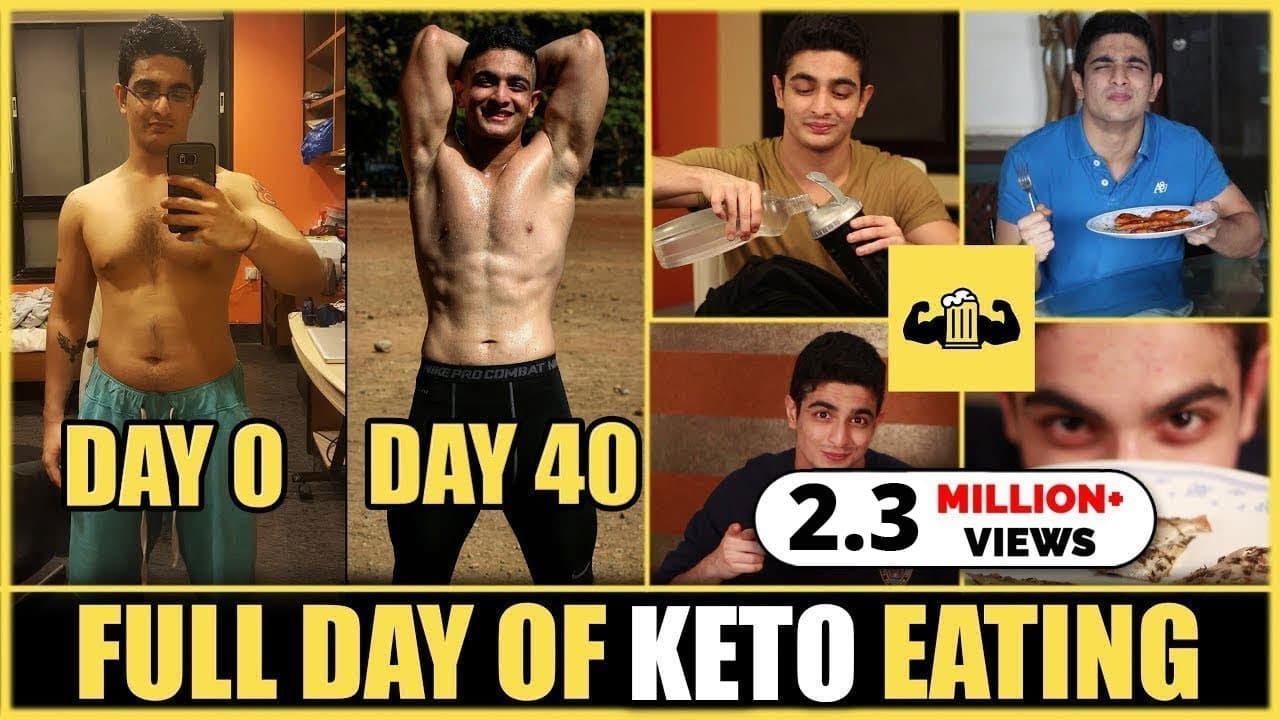
TL;DR
Discover a low-calorie ketogenic meal plan for weight management.
Transcript
what's good everybody welcome to be your biceps again now recently I release a couple of videos on the ketogenic diet and to be honest if you let before watching today's full day of eating video you should go and check out those videos it will help you decide whether or not the ketogenic diet is meant for you but first before we start on the diet p... Read More
Key Insights
- 😘 The ketogenic diet relies on maintaining low carbohydrate intake and high fat consumption to induce ketosis.
- 🥘 Starting a ketogenic diet may allow for higher fat foods initially, but ongoing adherence often necessitates calorie reduction strategies.
- 😘 A simple protein shake using isolate protein mixed with water is effective for breakfast on a ketogenic diet due to its low carb content.
- 🖐️ Cooking methods, such as frying with minimal oil, play an important role in managing fat intake during meals.
- ⚖️ The diet emphasizes the inclusion of non-starchy vegetables to achieve a balance between nutrient content and carbohydrate limitation.
- 🧡 Regular variation in protein sources, including seafood, can enhance recovery and provide a diverse range of nutrients while on a keto diet.
- 🥳 Sustaining psychological strength and commitment for at least 30 days is essential for successful adherence to the ketogenic diet.
Install to Summarize YouTube Videos and Get Transcripts
Explore YouTube Video Summarizer or Get YouTube Transcript Extractor
Questions & Answers
Q: What is the primary goal of following the ketogenic diet?
The primary goal of the ketogenic diet is to induce a state of ketosis in the body, where it prioritizes burning fat for fuel instead of carbohydrates. This involves significantly reducing carb intake to below 20 grams per day while increasing fat consumption and maintaining adequate protein levels to support body functions and muscle mass.
Q: How does the meal plan presented differ from traditional diets?
The meal plan differs from traditional diets as it focuses on low carbohydrate intake and high fat consumption to achieve ketosis. Unlike many diets that encourage balanced macronutrient intake, the ketogenic approach specifies particular food types that prioritize healthy fats and protein while severely limiting carbohydrate-rich foods, which may be preferred in conventional diets.
Q: What are some protein options suggested in the diet?
The diet suggests various protein options such as chicken breast, eggs, seafood like pomfret, and red meat like lamb seekh kebabs. The focus is on variety to provide different nutrients and benefits while keeping fat intake high and maintaining low carb levels essential for the ketogenic diet.
Q: Why is it important to include green leafy vegetables in the diet?
Including green leafy vegetables is crucial because they provide essential vitamins, minerals, and fiber, which help prevent deficiencies and digestive issues during the restrictive nature of the ketogenic diet. They also count towards the daily carbohydrate limit, offering a source of nutrients without exceeding the 20 grams of carbs.
Q: How does the content recommend managing calorie intake over time?
The content recommends that as one progresses with the ketogenic diet, they should continue to decrease calorie intake to remain under maintenance levels. Initially, one can consume high-fat foods, but as the diet continues, it’s essential to monitor and reduce overall fat to avoid excess caloric intake.
Q: What are the benefits of alternating protein sources in the ketogenic diet?
Alternating protein sources provides a broader range of nutrients, supports muscle recovery, and minimizes potential deficiencies. Different proteins, like those from seafood, poultry, or red meat, offer unique benefits that can enhance overall health, especially in a restrictive diet like keto.
Summary & Key Takeaways
-
This video outlines a full day of eating on the ketogenic diet, emphasizing the importance of reducing calorie intake as the diet progresses. Each meal is structured to keep carbohydrates below 20 grams while maintaining protein intake.
-
The content highlights specific meal examples, such as a protein shake, tawa fried chicken, and a four-egg omelet, illustrating how to balance fats and proteins while keeping carbs low to support ketosis.
-
It also advises on the variety of protein sources including seafood and red meat while stressing the significance of green leafy vegetables to avoid nutrient deficiencies during the diet.
Read in Other Languages (beta)
Share This Summary 📚
Summarize YouTube Videos and Get Video Transcripts with 1-Click
Try YouTube Summary with ChatGPT & Claude or YouTube Transcript Generator
Explore More Summaries from BeerBiceps 📚

Summarize YouTube Videos and Get Video Transcripts with 1-Click
Try YouTube Summary with ChatGPT & Claude or YouTube Transcript Generator