What Life Lessons Can Chess Teach Us?
TL;DR
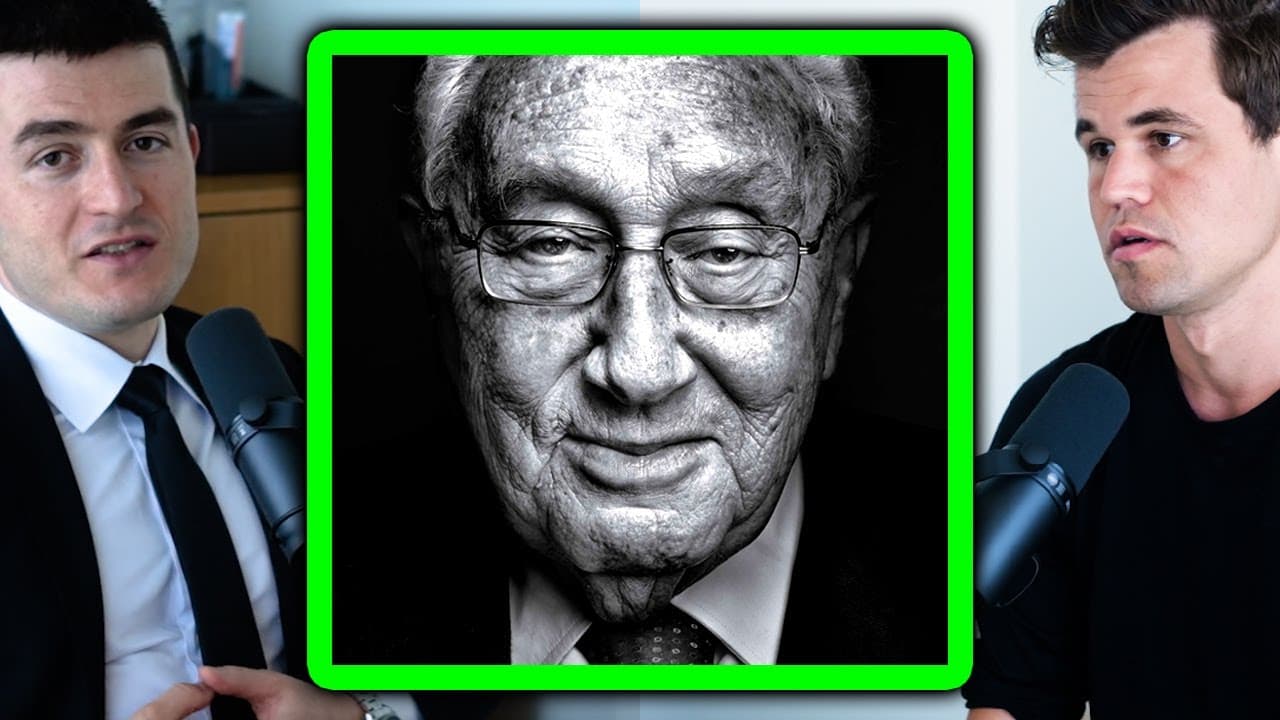
Chess teaches essential skills for making informed decisions under pressure, applicable in various life situations. The strategic reasoning from the game can help individuals and leaders navigate complexities thoughtfully and effectively, often suggesting that inaction can sometimes be the best action.
Transcript
there's a cliche question here but let's try to actually get to some deep truth perhaps but people who don't know much about chess seem to like to use chess as a metaphor for everything in life but there is some aspect to the decision-making to the kind of reasoning and involved in chess that's transferable to other things can you can you speak to ... Read More
Key Insights
- 🧑🏫 Chess teaches individuals to make informed guesses and decisions within a limited timeframe.
- 🛟 The reasoning involved in chess can be applied to decision-making in various domains of life.
- ♟️ Geopolitical thinkers could benefit from adopting a chess player's mindset in decision-making processes.
- 💌 In politics, sometimes it is better to let opponents make mistakes rather than intervene.
Install to Summarize YouTube Videos and Get Transcripts
Explore YouTube Video Summarizer or Get YouTube Transcript Extractor
Questions & Answers
Q: How does chess reasoning transfer to decision-making in life?
Chess teaches players to make informed guesses and decisions under time constraints, which is a valuable skill in various areas of life. It helps individuals weigh their options and make the best choices based on limited information.
Q: Do you think the decision-making process on the world stage is similar to chess?
While there are some similarities, such as considering the consequences of actions, the lack of personal interests in chess sets it apart from geopolitics. Chess players don't have the pressure of getting reelected or dealing with special interests.
Q: Does politics frustrate you when people make wrong moves?
It can be frustrating when politicians knowingly make wrong moves for various reasons. Chess teaches the importance of making calculated decisions, and it would be beneficial if more leaders thought like chess players in terms of weighing data and making good choices.
Q: Is it better to have a bad plan or no plan in chess?
Contrary to the notion in chess, having a bad plan is not better than having no plan. It is essential to adapt and adjust strategies based on the opponent's moves. Interrupting an opponent's mistake can lead to a better outcome.
Summary & Key Takeaways
-
Chess teaches players to make informed guesses and decisions in a limited amount of time.
-
The reasoning involved in chess can be applied to making decisions in various areas of life.
-
Geopolitical thinkers could benefit from thinking like chess players in their decision-making processes.
Read in Other Languages (beta)
Share This Summary 📚
Summarize YouTube Videos and Get Video Transcripts with 1-Click
Try YouTube Summary with ChatGPT & Claude or YouTube Transcript Generator
Explore More Summaries from Lex Clips 📚



Summarize YouTube Videos and Get Video Transcripts with 1-Click
Try YouTube Summary with ChatGPT & Claude or YouTube Transcript Generator