Let There Be Light | National Geographic
TL;DR
The key to long-lasting light lies in the durable glass bulb and heat-resistant filaments.
Transcript
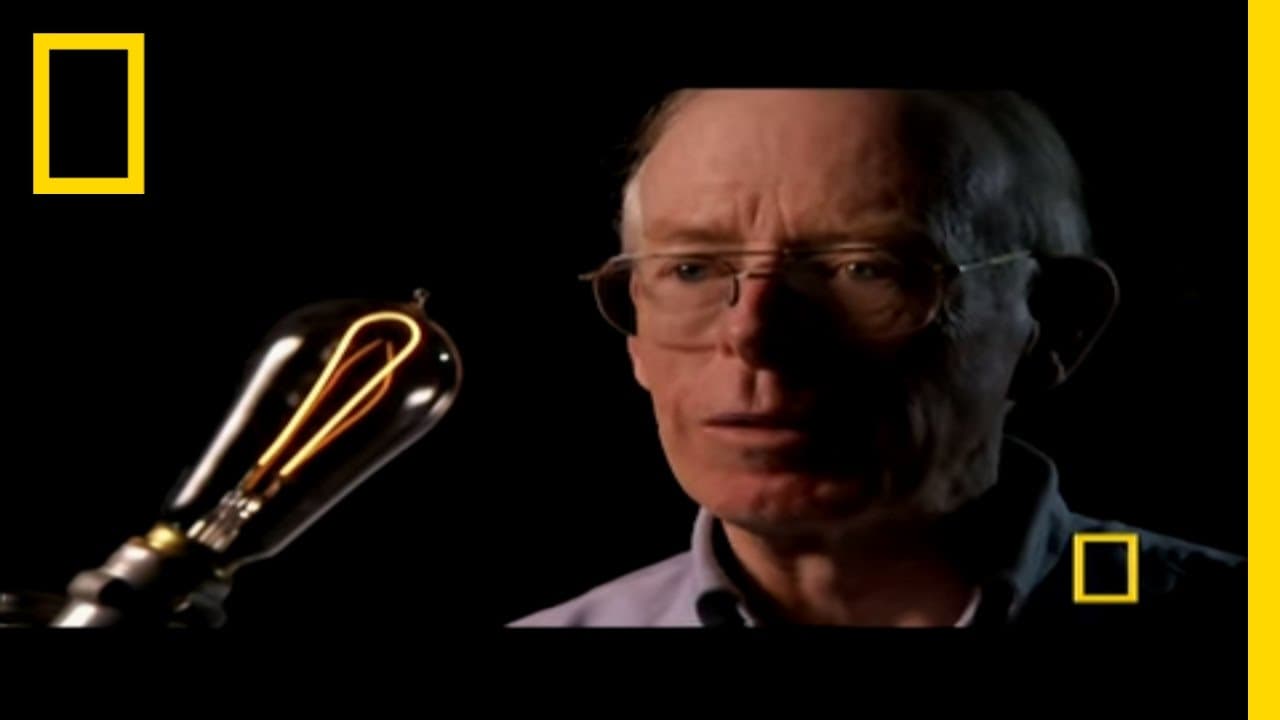
the other factor in creating a long-lasting light that doesn't burn up is the glass bulb and Paul Doherty of the Exploratorium can prove it this is a replica of a bulb from 1900 and it uses a carbon filament now when you put electricity through the carbon it glows incandescent makes light but it doesn't melt and that's the key incandescence is the ... Read More
Key Insights
- 💡 Glass bulbs and heat-resistant filaments are crucial for long-lasting light.
- 💡 The bulb creates an oxygen-free environment for incandescent light production.
- ⏳ Sand, mainly silica, is a key ingredient in making clear glass for light bulbs.
- 🥵 Carbon and tungsten filaments are preferred for their high heat resistance.
- ⏳ The process of turning sand into glass is essential for bulb production.
- 🙂 The filament heats up to produce incandescent light in the oxygen-free zone.
- ⏳ Sand mined from sources like Simplot sand pits is used to make glass for bulbs.
Install to Summarize YouTube Videos and Get Transcripts
Explore YouTube Video Summarizer or Get YouTube Transcript Extractor
Questions & Answers
Q: What is the significance of the glass bulb in ensuring long-lasting light?
The glass bulb protects the filament from oxygen, creating an oxygen-free environment essential for incandescent light production. It plays a crucial role in maintaining the durability of the bulb.
Q: Why are carbon and tungsten filaments preferred for light bulbs?
Carbon and tungsten have high heat resistance, making them ideal for withstanding the temperatures required for incandescent light production. Their durability ensures long-lasting performance in modern bulbs.
Q: How does the process of turning sand into glass contribute to making light bulbs?
Silica, a major component of sand, is essential for producing clear glass used in bulbs. Sand is mixed with other ingredients to create glass that can withstand the heat produced by the filament.
Q: What role does the oxygen-free zone within the bulb play in light production?
The oxygen-free zone prevents the filament from burning up when electricity is passed through it, allowing for the emission of incandescent light. It is crucial for the longevity of the bulb.
Summary & Key Takeaways
-
The durability of light bulbs is dependent on the glass bulb and the filament material, with carbon and tungsten being highly resistant to heat.
-
The bulb creates an oxygen-free zone to prevent the filament from burning up when electricity is passed through it, producing incandescent light.
-
Sand, mainly silica, is a crucial component in making clear glass for bulbs, with specific amounts needed for production.
Read in Other Languages (beta)
Share This Summary 📚
Summarize YouTube Videos and Get Video Transcripts with 1-Click
Try YouTube Summary with ChatGPT & Claude or YouTube Transcript Generator
Explore More Summaries from National Geographic 📚




Summarize YouTube Videos and Get Video Transcripts with 1-Click
Try YouTube Summary with ChatGPT & Claude or YouTube Transcript Generator