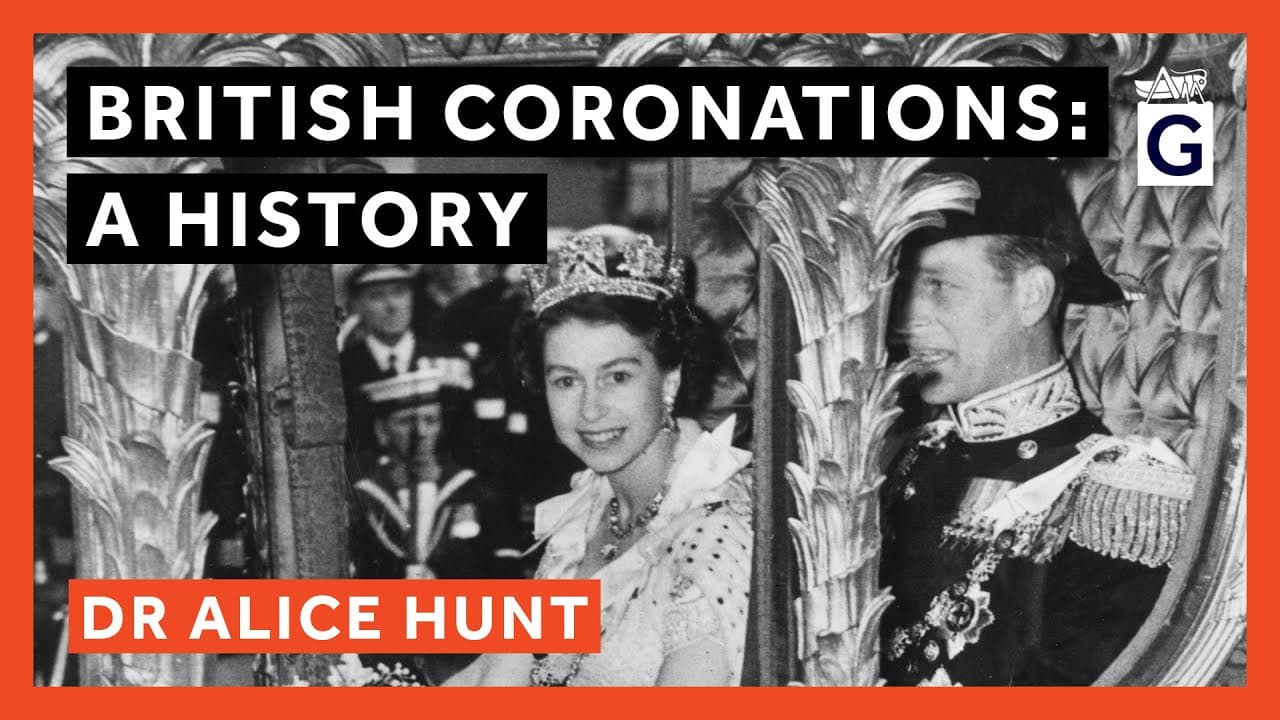
British Coronations: A History
TL;DR
The British coronation ceremony, steeped in history and tradition, has evolved over time to uphold the legitimacy of the monarchy and its connection to divine grace. It serves to unite the nation and promote certain values.
Transcript
foreign play Henry V King Henry puzzles over the purpose of Royal ceremony what he calls this tide of pomp and what have kings that privates have not too he asks save ceremony save General ceremony and what art thou thou Idol ceremony he goes on oh ceremony show me but thy worth I haven't given you the the lines on the screen because I wanted to dr... Read More
Key Insights
- ⌛ The British coronation, while steeped in tradition, has evolved over time to reflect changing political and societal contexts.
- 😉 The ceremony has always been a way to establish the legitimacy of a monarch's reign and bridge the gap between kings and ordinary individuals.
- 😚 The anointing, a central element of the coronation, represents the connection between the monarch and divine grace and has persisted despite the monarchy losing its political power.
- 💢 Coronations aim to promote unity, continuity, and the values deemed important in a particular era.
Install to Summarize YouTube Videos and Get Transcripts
Explore YouTube Video Summarizer or Get YouTube Transcript Extractor
Questions & Answers
Q: How has the British coronation ceremony changed over time?
The British coronation ceremony has evolved to reflect changes in politics, religion, and society. It has become more inclusive, aiming to unite people and promote constitutional monarchy rather than highlighting the divine right of kings.
Q: Why is the anointing part of the coronation ceremony puzzling?
The anointing represents a sacred moment when the king is believed to receive divine grace, despite the monarchy no longer holding political power. Its survival in the ceremony reflects its historical significance but may pose challenges for a modern constitutional monarchy.
Q: Who attends coronations?
In the past, coronations were largely attended by members of the nobility, politicians, and other dignitaries. However, recent coronations have seen a shift towards inclusivity, with the presence of charitable workers, NHS staff, and selected members of the public.
Q: How does the British coronation differ from other European countries?
Unlike many other European countries, the British coronation has retained its centuries-old traditions and symbols, such as regalia, robes, and carriages. Other countries, such as Spain and Denmark, have done away with coronations altogether or simplified the ceremonies.
Summary & Key Takeaways
-
Royal coronations, particularly in the British monarchy, have always been a significant ceremony to establish the legitimacy of a monarch's reign.
-
Coronations have undergone changes and adaptations throughout history to suit the political, religious, and social climate of the time.
-
The ceremony serves to separate kings from ordinary individuals, inspire awe and reverence, celebrate the nation, and promote unity and continuity.
Read in Other Languages (beta)
Share This Summary 📚
Summarize YouTube Videos and Get Video Transcripts with 1-Click
Try YouTube Summary with ChatGPT & Claude or YouTube Transcript Generator
Explore More Summaries from Gresham College 📚


Summarize YouTube Videos and Get Video Transcripts with 1-Click
Try YouTube Summary with ChatGPT & Claude or YouTube Transcript Generator